
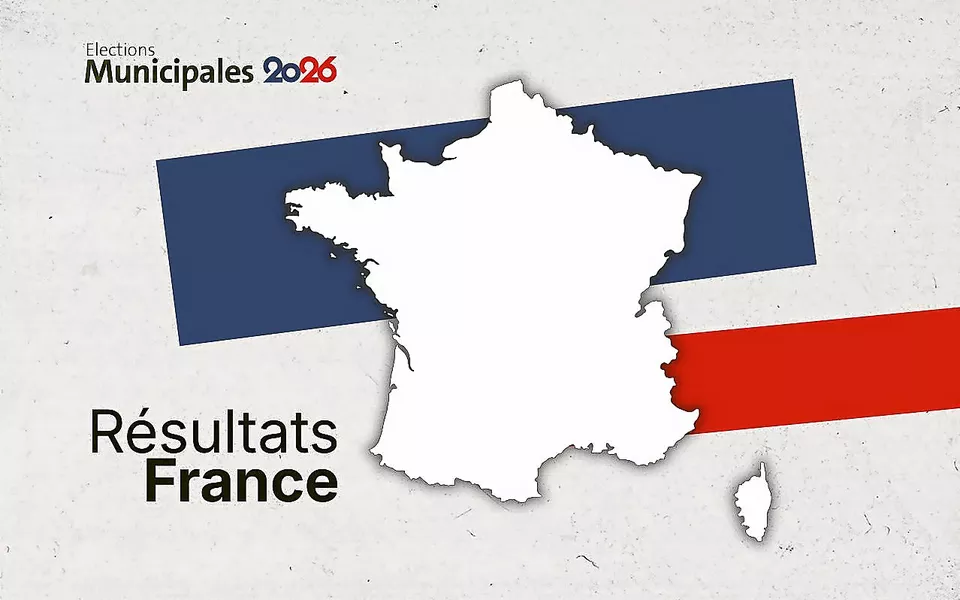
France Municipal Elections 2026: A Fragmented Verdict with National Consequences
Paris Telegraph Political Desk Date: 24/03/2026
France Municipal Elections 2026: A Fragmented Verdict with National Consequences
France’s latest municipal elections have delivered a complex and highly fragmented political landscape, underscoring both the resilience of local political identities and the growing volatility of national party structures. While municipal contests are traditionally shaped by local dynamics, the 2026 results carry unmistakable implications for the 2027 presidential race.
A Patchwork of Victories: No Clear National Wave
Unlike previous cycles that hinted at sweeping national trends, the 2026 municipal elections produced a mosaic of outcomes. Major cities remained largely resistant to abrupt ideological shifts, while mid-sized towns and peri-urban areas showed notable movement—particularly toward right-wing formations.
The governing centrist bloc associated with Emmanuel Macron struggled to convert national incumbency into local momentum. Renaissance-aligned candidates retained influence in select urban districts but failed to expand meaningfully beyond their existing base.
Left Holds Urban Strongholds—but Fractures Persis
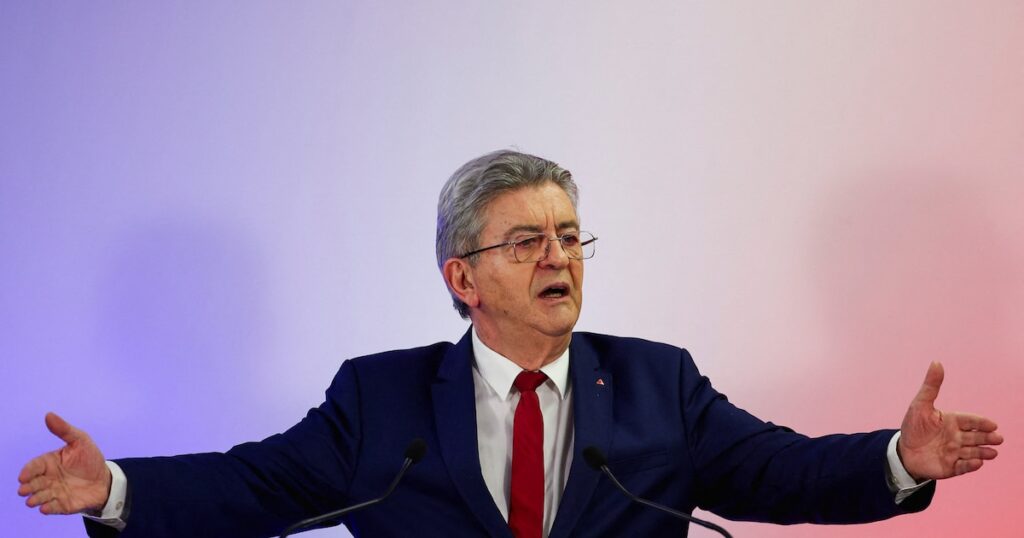
Left-wing parties, particularly alliances involving Jean-Luc Mélenchon’s political network, maintained control in several major metropolitan areas. Cities like Paris, Lyon, and Bordeaux largely resisted rightward swings, reaffirming their progressive governance models.
However, the broader left remains divided. Tensions between La France Insoumise (LFI), the Socialist Party (PS), and Green factions continue to limit the emergence of a unified national alternative. While local alliances proved effective in some municipalities, ideological fragmentation persists as a structural weakness ahead of 2027.
Right-Wing Momentum in Peripheral France
The most significant development of the الانتخابات is the consolidation of right-wing influence outside major urban centers. The traditional conservative party, Les Républicains (LR), regained footing in several municipalities, signaling a partial recovery from its national decline.
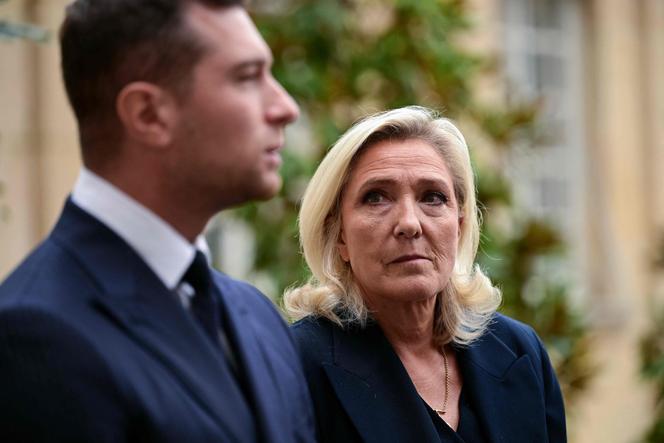
More strikingly, the far-right, led by Marine Le Pen, expanded its municipal footprint. Towns across northern and southern France saw gains for her political camp, reflecting enduring concerns over immigration, security, and cost-of-living pressures.
This territorial expansion—while not dominant in major cities—marks a strategic strengthening of grassroots networks ahead of national contests.

Key Big-City Outcomes
- Paris: The left retained control, though with reduced margins, reflecting fatigue but not collapse.
- Marseille: A competitive race saw the left coalition narrowly hold ground amid internal divisions.
- Lyon: Environmental and left alliances maintained leadership, reinforcing green urban policies.
- Toulouse: The center-right consolidated its position, benefiting from a fragmented opposition.
- Nice: The right strengthened its hold, aligning with broader regional trends.
These results confirm a growing urban–rural political divide: progressive dominance in metropolitan cores versus conservative advances in smaller cities and suburban belts.
National Parties: Winners and Losers
Winners:
- The right and far-right, particularly in territorial expansion and voter consolidation.
- Local independent lists, which capitalized on distrust toward national parties.
Under Pressure:
- Macron’s centrist coalition, which faces erosion of local legitimacy.
- The broader left, despite urban victories, due to its inability to unify structurally.
2027 Presidential Race: Early Signals
The municipal elections serve as a barometer—imperfect but revealing—for the upcoming presidential contest.
- Marine Le Pen emerges reinforced. Her party’s local gains provide organizational depth and normalize its governance credentials.
- The centrist space remains uncertain. With Emmanuel Macron constitutionally unable to seek a third term, no स्पष्ट successor has consolidated support.
- On the left, figures linked to Jean-Luc Mélenchon retain influence, but leadership questions persist, particularly regarding generational renewal and coalition-building.
Structural Trends Shaping 2027
- Territorial Polarization: Urban vs peripheral divides are deepening.
- Decline of Traditional Parties: Both Socialist and conservative establishments face long-term erosion.
- Rise of Identity and Economic Anxiety Politics: Fueling right-wing narratives.
- Coalition Necessity: No single bloc appears capable of outright dominance.
Conclusion: A Prelude, Not a Verdict
The 2026 municipal elections do not decisively predict the 2027 presidential outcome—but they reshape the political landscape. France enters the next electoral cycle with a fragmented political order, where local legitimacy, coalition-building, and voter mobilization will be decisive.
If one conclusion stands out, it is this: France’s political center is weakening, its extremes are consolidating, and its major cities remain ideological strongholds resisting national currents.
The road to 2027 is now clearer—but no less uncerta
By Paris Telegraph Political Desk

Paris Telegraph is an independent France-based digital news platform covering Paris news, French politics, European affairs, global business, diplomacy and artificial intelligence.
Publishing timely reporting and in-depth analysis, Paris Telegraph provides international perspectives on geopolitics, economic developments, technology innovation and cultural trends shaping Europe and the world.
As a growing online media outlet, Paris Telegraph is committed to credible journalism, global insight and forward-looking analysis for readers seeking reliable news from Paris and beyond.