
Paris | 13 July 2026
Two years have passed since the death of Rajavarothiam (R.) Sampanthan (5 February 1933 – 30 June 2024), yet his absence continues to be deeply felt across Sri Lanka and among Tamil communities around the world.
For many, Sampanthan was far more than a politician. He was a statesman whose life was defined by patience, dignity and an unwavering commitment to democratic politics. Through decades of conflict, political upheaval and uncertainty, he remained convinced that lasting peace could only be achieved through dialogue, constitutional reform and mutual respect.
As Sri Lankan Tamils and many others mark the second anniversary of his passing, they remember a leader who never abandoned hope that justice, equality and reconciliation could prevail.
A Lifetime Dedicated to Public Service
Born in Trincomalee on 5 February 1933, Sampanthan entered politics through the Illankai Tamil Arasu Kachchi (ITAK), the Federal Party founded by the late S. J. V. Chelvanayakam, whose philosophy of non-violent political struggle profoundly influenced his career.
When Sampanthan was first elected to Parliament in 1977, he began what would become one of the longest parliamentary careers in Sri Lankan history. For nearly five decades, he represented the people of Trincomalee with dedication, integrity and consistency, earning respect across political divides.
Carrying Forward Chelvanayakam’s Vision
Although Sampanthan was not directly involved in negotiating the historic Bandaranaike–Chelvanayakam Pact (1957) or the Dudley Senanayake–Chelvanayakam Pact (1965), he devoted his political life to advancing the principles they embodied.
He consistently argued that Sri Lanka’s ethnic question could only be resolved through meaningful devolution of power, constitutional reform, equality before the law and genuine power-sharing among all communities.
Throughout his career, he remained one of the strongest advocates for a negotiated political settlement founded on democracy rather than confrontation.
Leading Through Difficult Times
As leader of the Tamil National Alliance (TNA), Sampanthan guided Tamil parliamentary politics during one of the most difficult periods in the country’s history.
Following the end of the civil war in 2009, he became the principal democratic representative of the Tamil people, urging that their aspirations be pursued through Parliament, dialogue and constitutional engagement rather than violence.
His leadership helped ensure that Tamil political representation remained firmly rooted in democratic institutions during a period of profound uncertainty.
A Bridge Between Communities and the World
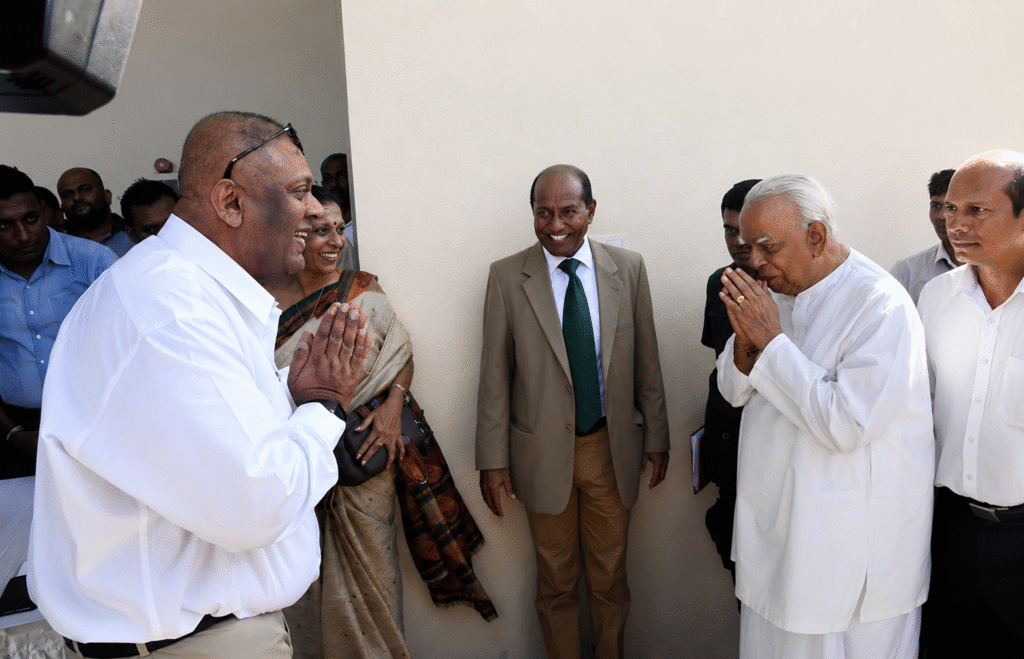
One of R. Sampanthan’s most enduring contributions was his ability to take the concerns and aspirations of the Tamil people beyond the North and East, bringing them into the national conversation and onto the international stage.
He worked tirelessly to explain the grievances and aspirations of the Tamil community to the Sinhala-speaking majority in southern Sri Lanka, believing that genuine reconciliation could only be achieved through understanding, equality and meaningful political dialogue. Even during periods of deep mistrust, he continued to advocate for engagement rather than division.
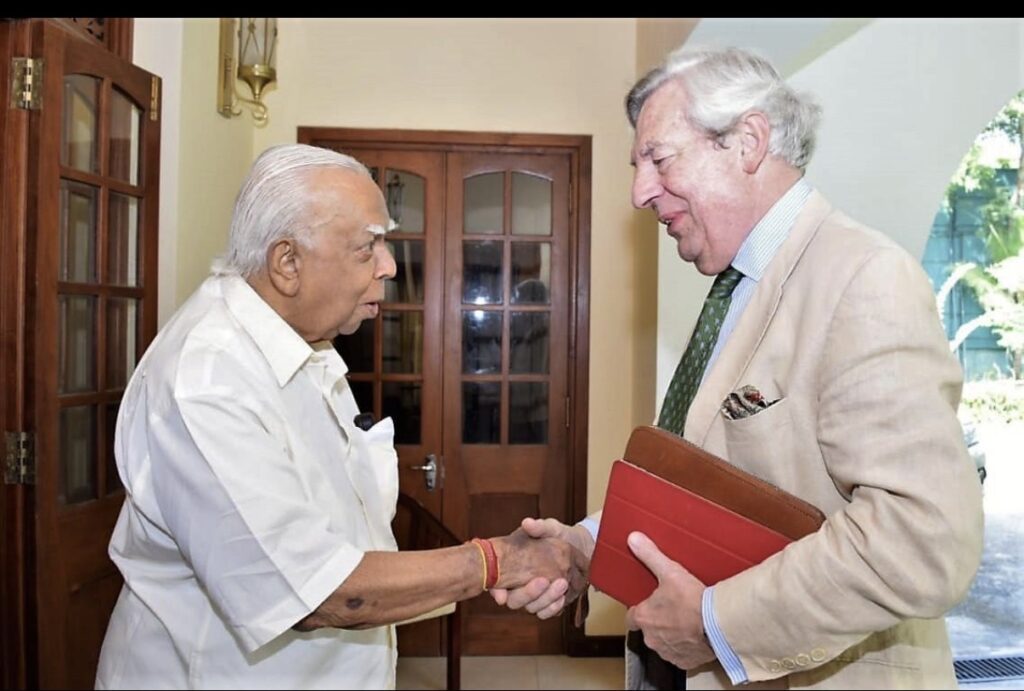
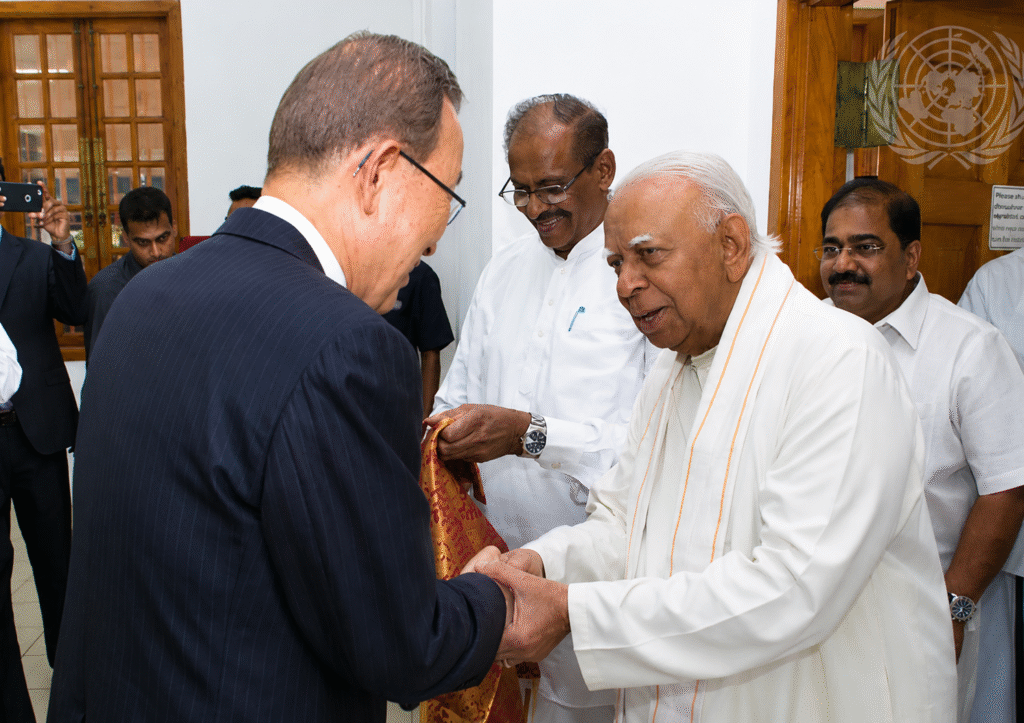
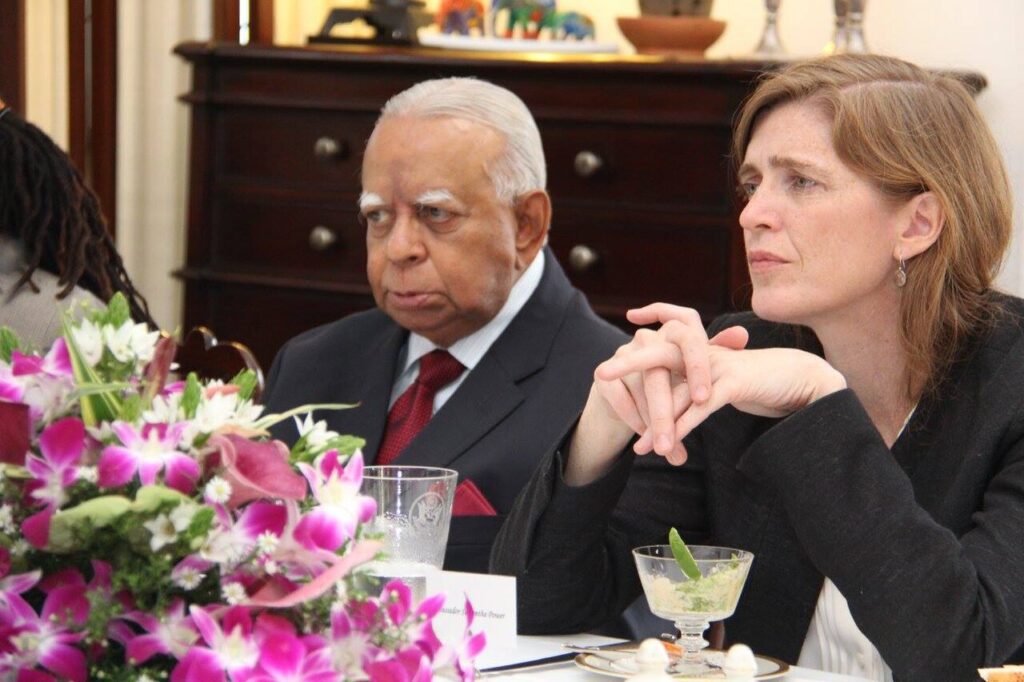
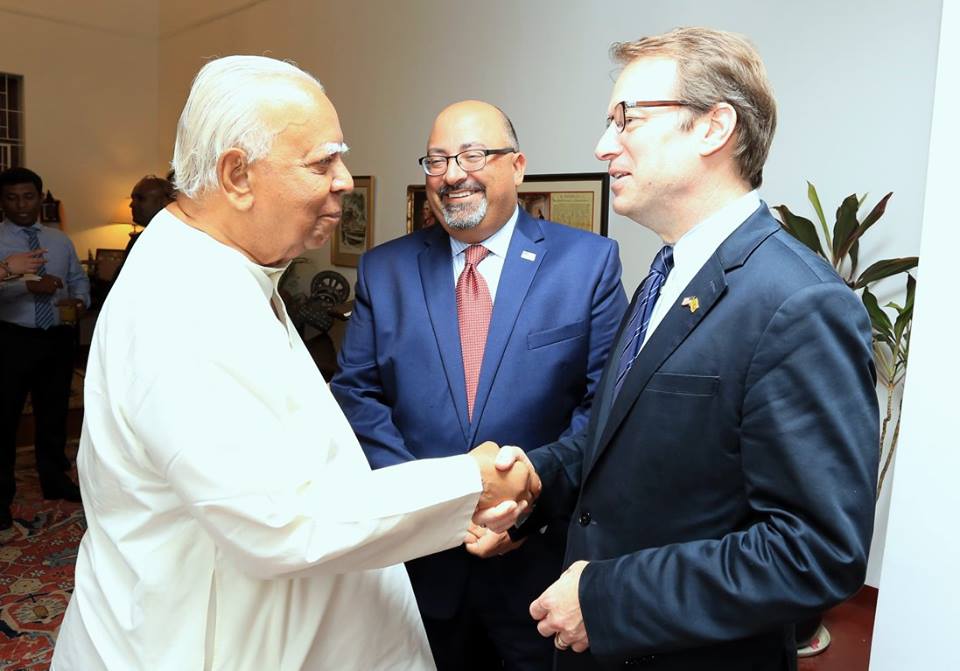
At the same time, Sampanthan became one of the most respected Tamil political voices internationally. Through his engagement with successive Indian governments, the United Nations, foreign diplomats, international organisations and human rights institutions, he ensured that the political aspirations and humanitarian concerns of Sri Lankan Tamils remained part of the global conversation.
His approach was always rooted in democratic values, constitutional governance and peaceful negotiation, earning him respect both within Sri Lanka and abroad.
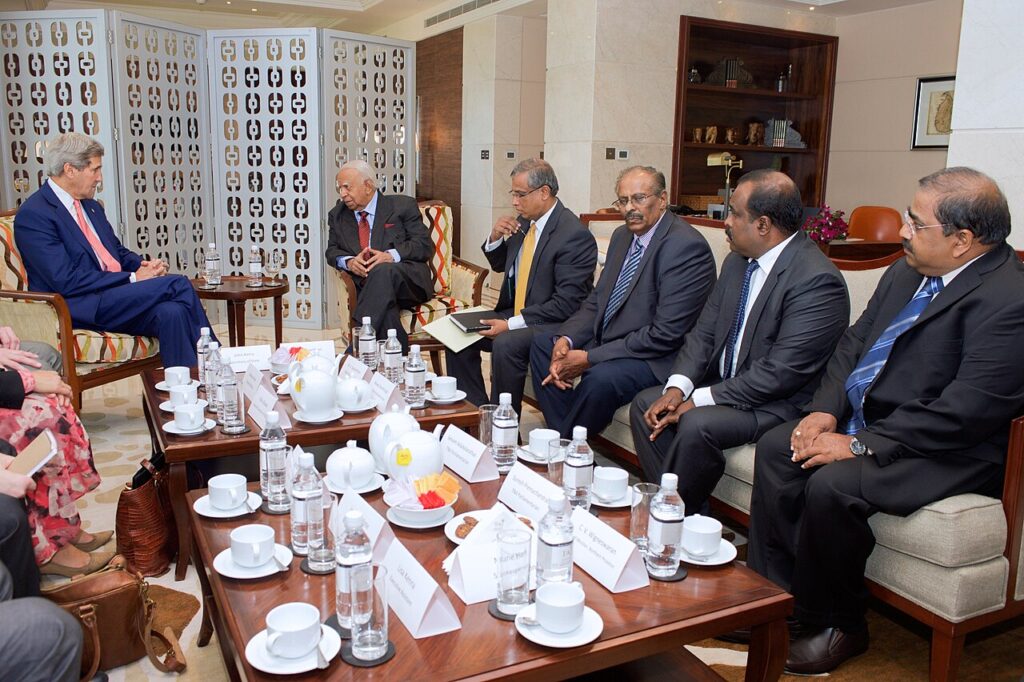
A Tireless Advocate for Peace
Throughout his long political career, Sampanthan engaged in discussions with successive Sri Lankan Presidents and Prime Ministers, including J. R. Jayewardene, Ranasinghe Premadasa, D. B. Wijetunga, Chandrika Bandaranaike Kumaratunga, Mahinda Rajapaksa, Maithripala Sirisena, Ranil Wickremesinghe and Gotabaya Rajapaksa.
Although many rounds of negotiations failed to produce a final political settlement, he never lost faith in dialogue. He remained convinced that reconciliation required patience, compromise and political courage
.
A Historic Role in Parliament
In 2015, Sampanthan became the Leader of the Opposition in the Parliament of Sri Lanka, becoming the first Tamil politician in decades to hold one of the country’s highest constitutional offices.
His appointment symbolised the possibility that democratic institutions could help bridge decades of ethnic division and strengthen national unity.
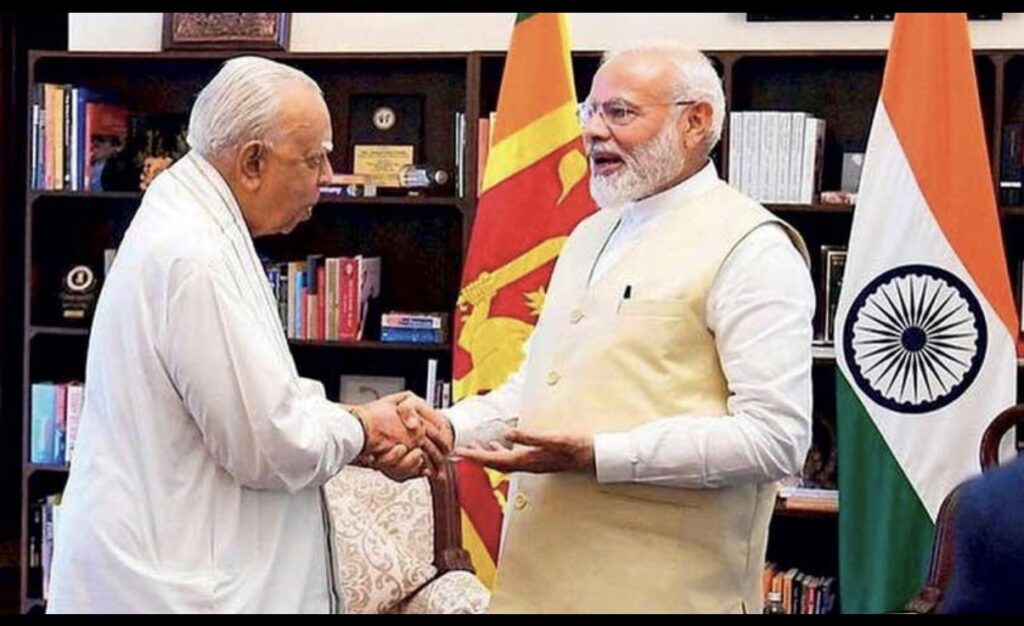
A Legacy That Endures
Like many influential leaders, Sampanthan faced criticism from different quarters. Some believed he was too moderate, while others wished for faster political progress.
Yet even many of his critics acknowledged his integrity, humility and steadfast commitment to democratic politics.
His greatest achievement may not have been a single political agreement, but his determination to keep alive the belief that the Tamil people’s aspirations could be pursued through peaceful political engagement rather than conflict.
Remembering a Statesman
The passing of R. Sampanthan marked the end of an extraordinary chapter in Sri Lanka’s political history. He belonged to a generation that witnessed colonial Ceylon, independence, decades of ethnic conflict, civil war and the long search for reconciliation.
Two years after his passing, his voice is no longer heard in Parliament, but the principles he championed continue to resonate. His life remains a testament to the power of patience, democratic leadership and principled dialogue.
History will remember Rajavarothiam Sampanthan as one of the most influential Tamil political leaders of post-independence Sri Lanka—a veteran statesman who carried the Tamil cause from Sri Lanka to the world while never abandoning his belief in peace, democracy and a future built on justice, equality and mutual respect.
By U. H. Hyder Ali

Paris Telegraph is an independent France-based digital news platform covering Paris news, French politics, European affairs, global business, diplomacy and artificial intelligence.
Publishing timely reporting and in-depth analysis, Paris Telegraph provides international perspectives on geopolitics, economic developments, technology innovation and cultural trends shaping Europe and the world.
As a growing online media outlet, Paris Telegraph is committed to credible journalism, global insight and forward-looking analysis for readers seeking reliable news from Paris and beyond.