
A. R. Rahman’s BBC Interview Sparks Controversy: Discrimination and Backlash in North India
A. R. Rahman’s BBC Interview Sparks Controversy: Discrimination and Backlash in North India
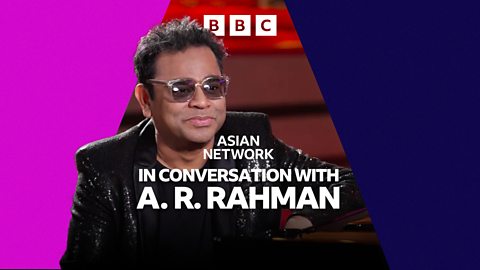
Oscar-winning composer A. R. Rahman — one of India’s most celebrated musical icons — recently became the center of a heated controversy after remarks he made in an interview with BBC Asian Network sparked widespread debate and criticism across Indian media, especially from critics in North India.
What Rahman Said in the BBC Interview
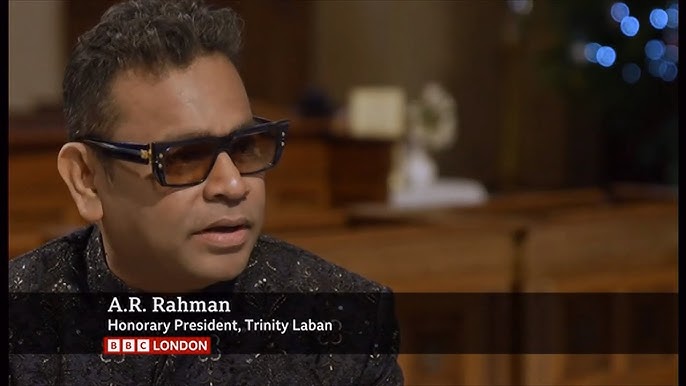
In the BBC interview, Rahman was asked whether he had faced discrimination within the Hindi film industry (Bollywood). His response was measured but candid:
- Rahman said that in the early years of his career, he did not feel overt discrimination in Bollywood.
- He acknowledged that over the past eight years, he has noticed fewer work opportunities coming his way.
- He suggested this may have something to do with a shift in power dynamics — with decisions increasingly taken by people “who are not creative.” He added, “It might be a communal thing also…” when referring to possible bias affecting opportunities, though he clarified it was never directly “in his face.”
- Rahman made clear he wasn’t actively chasing work but felt music should come to him, and “whatever I deserve, I get.”
His comments were nuanced — acknowledging industry changes without outright accusing specific individuals or groups — but they touched a sensitive nerve in public discourse.
Why the Remarks Became Controversial in India
Rahman’s phrasing — particularly the suggestion of “communal” influence on career opportunities — was widely interpreted in political and cultural discussions as implying bias tied to religious, regional, or identity factors within Bollywood.
Reactions from North Indian Critics
Once the interview aired, numerous reactions surfaced:
- Some media voices and online critics interpreted Rahman’s comments as an allegation that Bollywood favors certain voices over others and that Rahman felt alienated due to his background.
- Conservative commentators and political figures argued that his remarks were unfounded or divisive. One high-profile voice labeled his comment “dangerous” and insisted Bollywood has always been merit-based.
- Actor-politician Paresh Rawal defended Rahman, calling him “our pride,” a comment that generated mixed reactions online.
This intense discourse was particularly visible in North Indian media outlets and social platforms, where the conversation quickly shifted from Rahman’s words to broader national debates about unity, communal identity, and representation in entertainment.
Rahman’s Clarification and Apology
In the face of backlash, Rahman took to social media to clarify his stance:
- He emphasized that India is his home, inspiration, and teacher.
- He stressed his intention was never to offend or suggest that India or Bollywood as a whole is discriminatory.
- Rahman reiterated that his comments were misunderstood by some, and he hoped his sincerity was recognized.
His response sought to quell the controversy, affirming his lifelong dedication to Indian music and unity through art.
Support and Backlash — A Polarized Response
The reactions to Rahman’s remarks and clarification have been polarized:
Supportive Voices
- Several figures from the music and entertainment community defended Rahman, calling out online abuse and misinterpretation.
- His children and fellow artists highlighted his global contributions and inclusive artistry, emphasizing that talent transcends religion and regional identity.
- Some commentators urged audiences to see his interview in full context rather than reacting to excerpts or headlines.
Critical Responses
- Prominent industry veterans, such as writers and critics, publicly disagreed with the idea of communal bias in Bollywood, attributing Rahman’s reduced Bollywood output to other factors like availability, commercial priorities, or evolving music trends.
- Some mainstream commentators used his remarks to stoke broader political debates about communalism and identity in Indian cultural sectors.
Rahman’s Explanation on Industry Dynamics
Throughout the interview, Rahman tried to offer more than just criticism — he spoke about structural changes in the Bollywood music scene:
- He noted that corporatisation and commercial pressures have shifted how music decisions are made in Hindi cinema.
- He pointed out that the industry’s priorities have changed, with some producers and music labels favoring different sounds or composers.
- Rahman emphasized that he never “felt discrimination directly” but that subtle, systemic changes may have shaped his recent experience.
In his view, these dynamics reflect broader global shifts in how creative fields operate — not just issues of merit or ability.
A Complex Conversation on Art and Identity
The controversy around A. R. Rahman’s BBC interview highlights how conversations about identity, opportunity, and representation can quickly become charged in India’s highly visible entertainment industry.
Rahman’s remarks — at once thoughtful, cautious, and introspective — opened a broader debate about how artists from diverse backgrounds navigate Bollywood’s evolving landscape. Whether seen as a critique of industry politics, a commentary on cultural change, or a misunderstood statement about creativity and identity, his interview has sparked a national conversation about inclusion and respect.
For Rahman, whose career spans from Roja and Bombay to Slumdog Millionaire and global collaborations, the debate underscores the ongoing negotiation between personal experience, artistic integrity, and public interpretation.

Paris Telegraph is an independent France-based digital news platform covering Paris news, French politics, European affairs, global business, diplomacy and artificial intelligence.
Publishing timely reporting and in-depth analysis, Paris Telegraph provides international perspectives on geopolitics, economic developments, technology innovation and cultural trends shaping Europe and the world.
As a growing online media outlet, Paris Telegraph is committed to credible journalism, global insight and forward-looking analysis for readers seeking reliable news from Paris and beyond.