
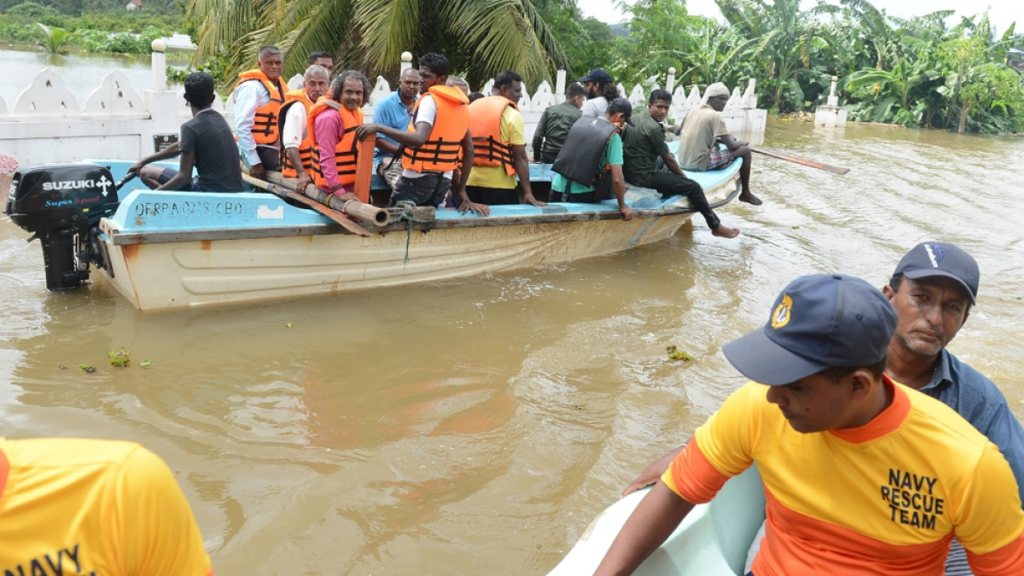
“THE MOUNTAIN CAME ALIVE”: Families Buried as Cyclone Ditwah Drowns Sri Lanka in Grief
By Hyder Ali
Cyclone Ditwah, which formed on 26 November 2025, rapidly intensified into a full cyclonic storm as it moved towards and across Sri Lanka. The system brought exceptionally heavy rainfall — in some regions over 300 mm — plus strong winds, triggering a wave of floods and landslides across multiple provinces.
The central highlands — notably the tea-growing, mountainous districts such as Badulla and Nuwara Eliya, about 300 km east of the capital — were among the worst hit by landslides. Meanwhile, flood-prone lowlands around the capital region and major rivers were inundated, forcing mass evacuations and disruption of basic services.
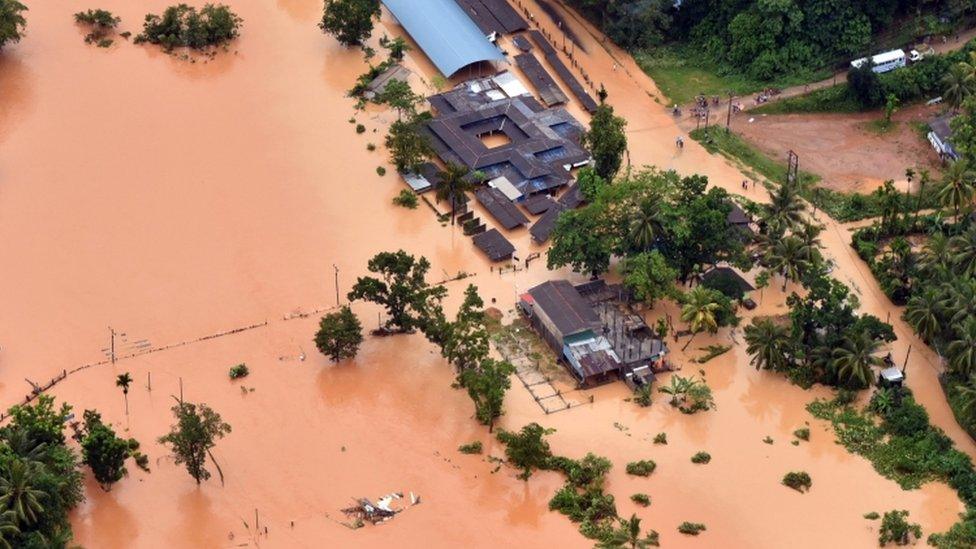
Death Toll, Missing, Displacement: The Human Cost
The official toll is still rising — as of the most recent update, at least 123 people are confirmed dead in Sri Lanka, with over 130 persons still missing.
Earlier counts had been lower; initial reports noted around 31–40 fatalities.
In addition to fatalities, thousands of families have lost their homes. Officials report that around 44,000 affected people — from over 44,000 families — have been displaced, with many sheltered in emergency relief centers.
Infrastructure damage is severe: roads and rail links have been cut in mountainous and lowland regions alike; several hydropower plants have reportedly shut down after power-cable failures; homes destroyed or damaged, leaving many homeless.
Widespread Devastation — Bridges Destroyed, Cities Cut Off, Darkness Across Regions
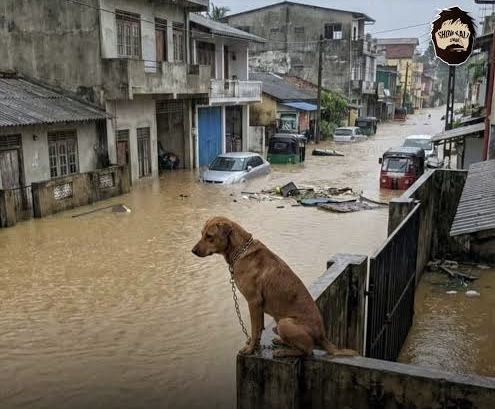
The aftermath of Cyclone Ditwah has plunged much of Sri Lanka into a state of crisis — not only because of floods and landslides, but now also due to catastrophic infrastructure failures, leaving entire communities isolated.
Three major bridges — Moragahakanda Main Bridge, Elahera Bridge and Kumara Ella Bridge — have been washed away. These were key transport arteries connecting central corridors; their destruction has severed critical links for trade, relief delivery and civilian travel across several provinces including Matale, Polonnaruwa, Kurunegala and Uva.
With roads, highways, and rail lines compromised by floods, landslides, mud and debris, many towns — especially in central and eastern highlands — are effectively cut off. Rescue teams warn that this isolation significantly hampers relief access to isolated villages.
Meanwhile, widespread power outages have added to the crisis: transmission-line failures and shutdowns of major hydropower plants — such as Ceylon Electricity Board (CEB) reporting shutdowns at facilities including Kotmale Hydropower Plant and Rantambe Hydropower Plant — have left hundreds of thousands without electricity. Estimates suggest 25-30% of the region’s electricity supply is offline.
Telecommunications and internet connectivity have also collapsed in many affected districts. In remote and mountainous regions, including parts of the central highlands and areas around major rivers, phone and data lines have been severed — isolating entire towns from external contact, complicating rescue coordination, missing-person reports and relief planning.
Communities in Peril — Stranded Residents, Blocked Relief, Rising Fears
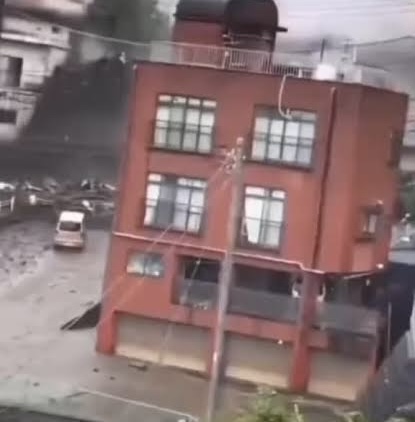
Residents recount harrowing stories of being stranded. Roads that once connected villages to towns are now underwater or collapsed — with bridges gone, there is no safe passage for ambulances, relief trucks or residents seeking evacuation. In some regions, even military and emergency services are unable to reach affected hamlets.
Many displaced families are sheltering in overcrowded public halls, schools or temporary shelters — but with power and internet down, support is slow, and communication with relatives or rescue teams nearly impossible in some zones.
Authorities fear that without rapid restoration of basic infrastructure — roads, power, telecommunications — the humanitarian crisis may deepen: risks include lack of medical access, delayed rescue, shortages of clean water and stagnating floodwaters.
Rescue, Relief and What’s Being Done — But It’s a Race Against Time
Despite the challenges, the government and relief agencies have mobilized: thousands of troops and civil defence units have been deployed to conduct boat and air rescues, particularly targeting areas where roads are blocked and bridges destroyed.
Relief convoys carrying food, clean water, medical kits and emergency supplies have been organized; nevertheless, the destroyed transport infrastructure and power/communication blackouts make distribution slow and uncertain.
Authorities have urged people to stay indoors, avoid travelling, and heed evacuation orders — especially in landslide-prone zones and regions where rivers remain swollen or overflowing.
What Remains Uncertain — Danger Lingers as Rain Continues
Meteorologists warn that rainfall may continue in the coming days, raising fears of further flooding — which could worsen damage to already weakened roads, bridges and infrastructure, making rescue even more difficult and prolonging the blackout in electricity and communication.
In many isolated villages, still cut off, there is growing concern about shortages of food, drinking water, medicines — especially among vulnerable populations (elderly, children). Without power and phone lines, panic and confusion mount as families try to contact missing relatives.
Relief agencies stress urgency: restoring even partial connectivity — power, roads, mobile networks — is critical to prevent further tragedy. But for now, with washed-away bridges and destroyed transport links, Sri Lanka faces one of its worst infrastructure-crippling disasters in recent memory.
U.H.Hyder Ali

Paris Telegraph is an independent France-based digital news platform covering Paris news, French politics, European affairs, global business, diplomacy and artificial intelligence.
Publishing timely reporting and in-depth analysis, Paris Telegraph provides international perspectives on geopolitics, economic developments, technology innovation and cultural trends shaping Europe and the world.
As a growing online media outlet, Paris Telegraph is committed to credible journalism, global insight and forward-looking analysis for readers seeking reliable news from Paris and beyond.