
Indian-Origin Leaders in French Politics: From Colonial Roots to Modern Representation
Paris 08 / 02 / 2026 — The political participation of people of Indian origin in France is a story that stretches across colonial governance, diaspora settlement, and the gradual evolution of modern democratic inclusion. While numerically modest compared to other immigrant communities, Indian-origin figures have occupied meaningful positions in French political institutions — from the colonial assemblies of French India to contemporary national government and European representation.
Their trajectory reveals more than isolated biographies. It reflects how France’s republican framework has historically negotiated questions of identity, citizenship, and representation — themes that remain central to political debate in the Fifth Republic.
Colonial Foundations: Representation from French India
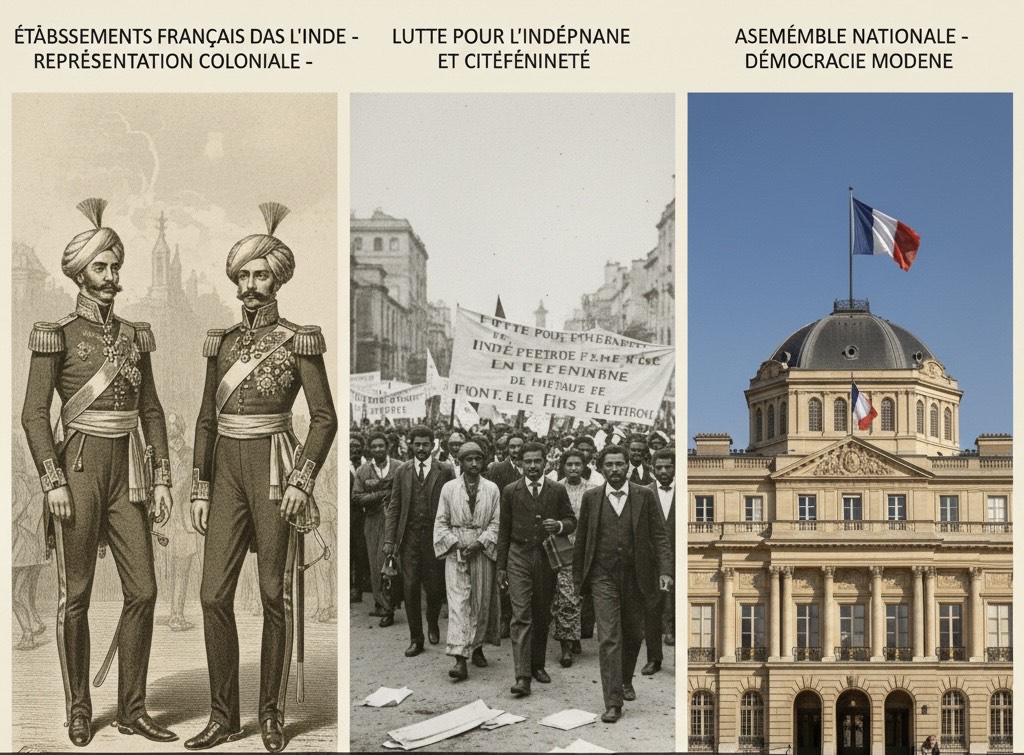
The earliest chapter of Indian-origin political participation in France is inseparable from the colonial relationship between metropolitan France and its enclaves in India — Pondicherry, Karaikal, Mahé, Yanaon, and Chandernagore. Unlike many colonial territories, French India maintained limited institutional representation in Paris, allowing locally rooted elites to engage directly with metropolitan governance.
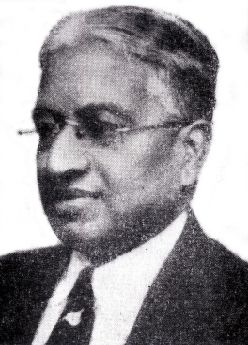
One of the most significant figures of this era was Deiva Zivarattinam, elected in 1945 to France’s Provisional Constituent Assembly. A lawyer from Pondicherry, Zivarattinam participated in deliberations shaping post-war France, aligning with social-democratic currents that dominated reconstruction politics. His presence symbolized an early, if constrained, integration of colonial subjects into the French legislative system.
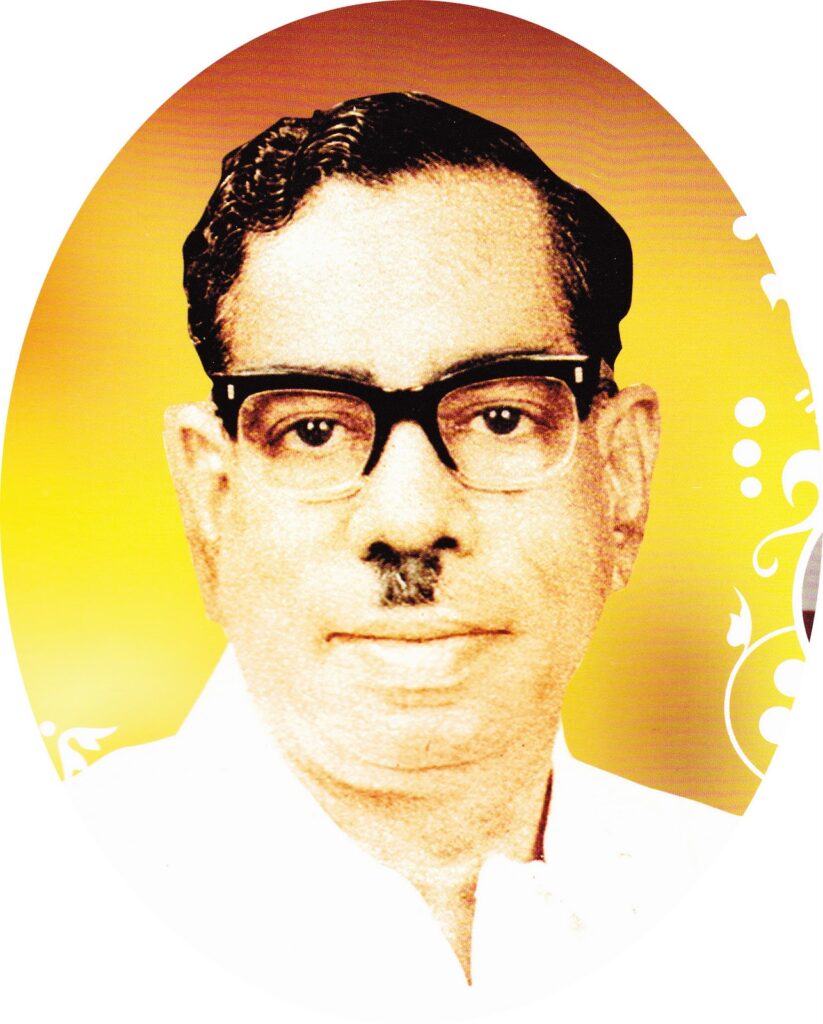
Similarly, V. Subbiah, a communist organizer from Pondicherry, served briefly in the French Senate during the late 1940s. His tenure coincided with debates over decolonization and sovereignty, illustrating how Indian-origin political actors navigated competing loyalties between metropolitan institutions and emerging anti-colonial movements.
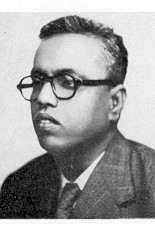
Another key personality, Maurice Paquirissamypoullé, represented the French establishments in India in the Council of the Republic. Active in municipal leadership in Karaikal before entering national politics, he embodied a transitional generation of colonial representatives tasked with managing the political consequences of territorial realignment.
These figures operated within a colonial framework that imposed structural limits on democratic participation. Yet their involvement demonstrated that political pathways — however restricted — existed for Indian-origin actors inside the French institutional system. This early engagement laid symbolic groundwork for later diaspora participation.
Diaspora Politics and the Overseas Territories
The Indian political presence in France did not disappear with decolonization. Instead, it found continuity in overseas departments where Indian-descended communities had been established since the 19th century through indentured labor migration.
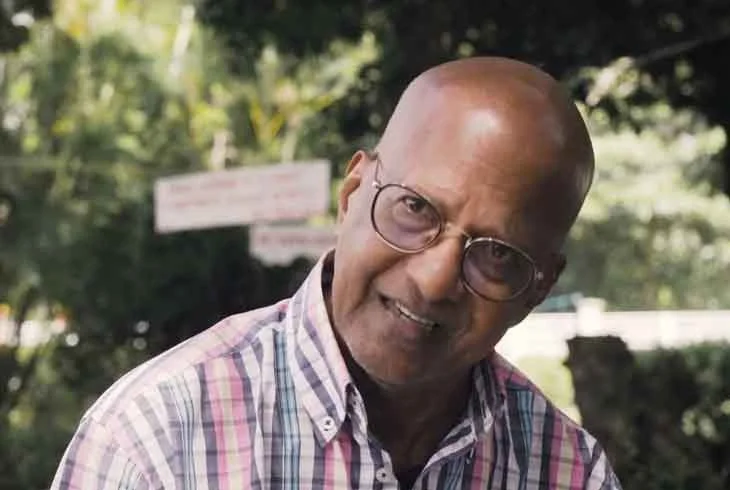
In Guadeloupe, descendants of Tamil and South Indian workers gradually integrated into civic life. Among them, Ernest Moutoussamy emerged as a central political figure. His career — spanning municipal leadership, regional governance, and service in the National Assembly — illustrates how Indian-origin communities became embedded in French democratic structures beyond the mainland.
Moutoussamy’s affiliations with left-wing and regionalist movements reflected broader political traditions in overseas territories, where debates about social equity, autonomy, and development often intersected. His trajectory demonstrates that Indian-origin political engagement was not confined to symbolic representation; it involved substantive participation in policy and institutional governance.
Even earlier, civic activism by figures like Henry Sidambarom — who fought legal battles to secure citizenship rights for Indian migrants in the French Caribbean — underscores that political inclusion was frequently driven by grassroots advocacy. These struggles helped extend the republican promise of citizenship to communities previously marginalized by colonial hierarchies.
Transition to Mainland Politics
Following the integration of French Indian territories into the Republic of India, Indian-origin political participation within metropolitan France entered a quieter phase. Migration patterns changed, and the diaspora became more dispersed. Yet participation did not disappear; it shifted toward civic engagement, municipal involvement, and professional integration that would later translate into political candidacy.
This evolution reflects a broader French dynamic: political inclusion often occurs gradually through local civic structures rather than identity-based mobilization. Indian-origin communities, like many immigrant groups, entered politics primarily through existing party frameworks rather than forming ethnic political blocs.
Contemporary Representation: Mainstream Integration
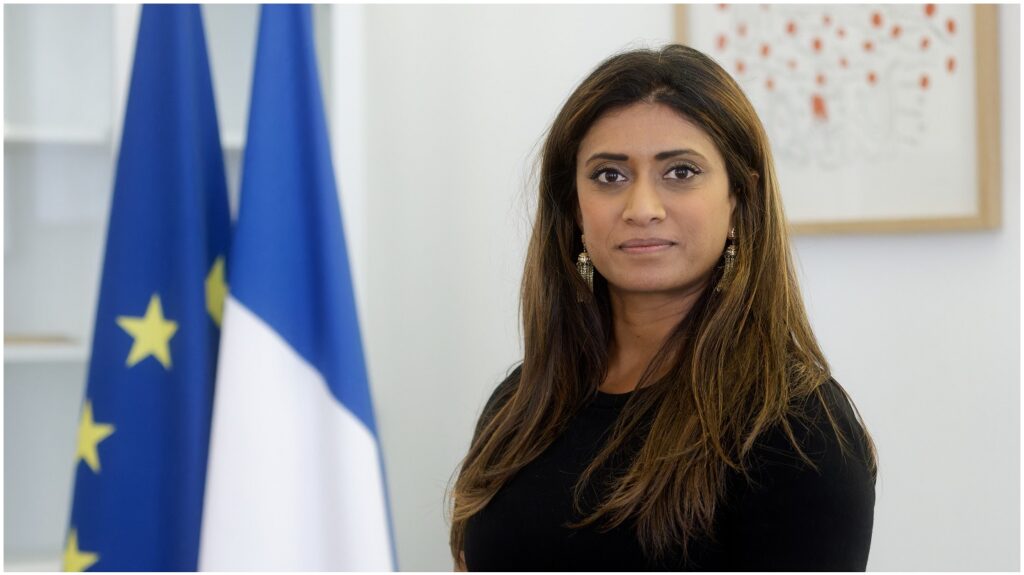
The modern visibility of Indian-origin politicians signals a maturation of this process. Prisca Thévenot, elected to the National Assembly in 2022 and later appointed to a government role, represents a milestone in diaspora integration within mainstream French politics. Born in France to parents of Indian-Mauritian descent, her rise occurred through established centrist party structures rather than community-based campaigning.
Her trajectory is significant less for symbolic diversity than for what it reveals about institutional permeability. The French political system — often criticized for elite continuity — has demonstrated an increasing capacity to incorporate representatives from varied backgrounds, reflecting demographic and social transformation.
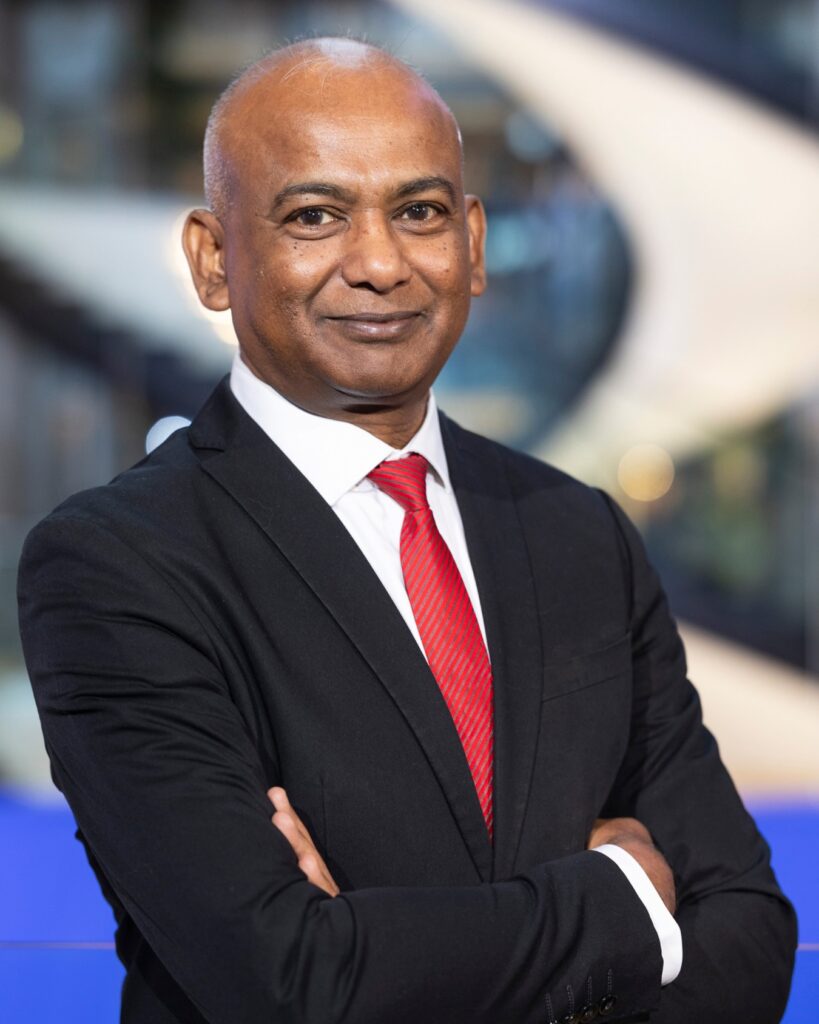
At the European level, Guy Lavocat, born in Pondicherry, briefly served in the European Parliament under a centrist platform. His tenure illustrates how Indian-origin participation extends beyond national frameworks into supranational governance, reinforcing the interconnected nature of modern political representation.
Municipal Politics: The Grassroots Dimension
Municipal governance remains a critical — if less visible — arena for diaspora political engagement. In cities with diverse populations, including suburbs of Île-de-France and overseas territories, Indian-origin residents participate in civic associations, electoral lists, and local councils.
Such participation rarely attracts national attention, yet it represents the foundation of democratic integration. Municipal politics often serves as an entry point into institutional life, where everyday governance — housing, education, community relations — intersects with identity and representation.
This grassroots presence reflects a key feature of the French republican model: political identity is mediated less through ethnic affiliation than through party alignment and civic participation. Indian-origin candidates, like their peers, operate within ideological frameworks ranging from socialist and communist traditions to centrist coalitions.
Political Identity Beyond Ethnicity
One striking aspect of Indian-origin political participation in France is its ideological diversity. Historical and contemporary figures have aligned with social-democratic, communist, Christian-democratic, and centrist movements. This pluralism suggests that political engagement has been shaped more by ideological conviction than by communal identity.
Such diversity challenges simplistic narratives of diaspora politics. Rather than forming a unified bloc, Indian-origin politicians have integrated into France’s broader ideological landscape, reinforcing the republican principle that citizenship supersedes ethnic origin.
A Mirror of France’s Democratic Evolution
The historical arc of Indian-origin participation mirrors France’s broader political transformation — from colonial governance to contemporary debates about diversity and representation. These trajectories reveal how institutions adapt over time, absorbing new actors while negotiating the tension between universalist ideals and social pluralism.
Indian-origin political figures do not represent a separate political category; they embody the gradual normalization of diversity within the republican framework. Their presence underscores a central reality of modern France: democratic legitimacy increasingly depends on reflecting the social composition of the nation.
From colonial assembly halls to municipal councils, from overseas governance to national executive roles, Indian-origin participation in French politics reflects a long process of integration shaped by history, migration, and institutional evolution.
Their journeys are not simply stories of diaspora success. They illuminate how democratic systems expand, absorb, and redefine representation over time. As France continues to grapple with questions of identity and citizenship, the presence of Indian-origin political actors stands as part of a broader narrative — one in which the Republic continually negotiates its promise of equality with the realities of social diversity.
By Hyder Ali
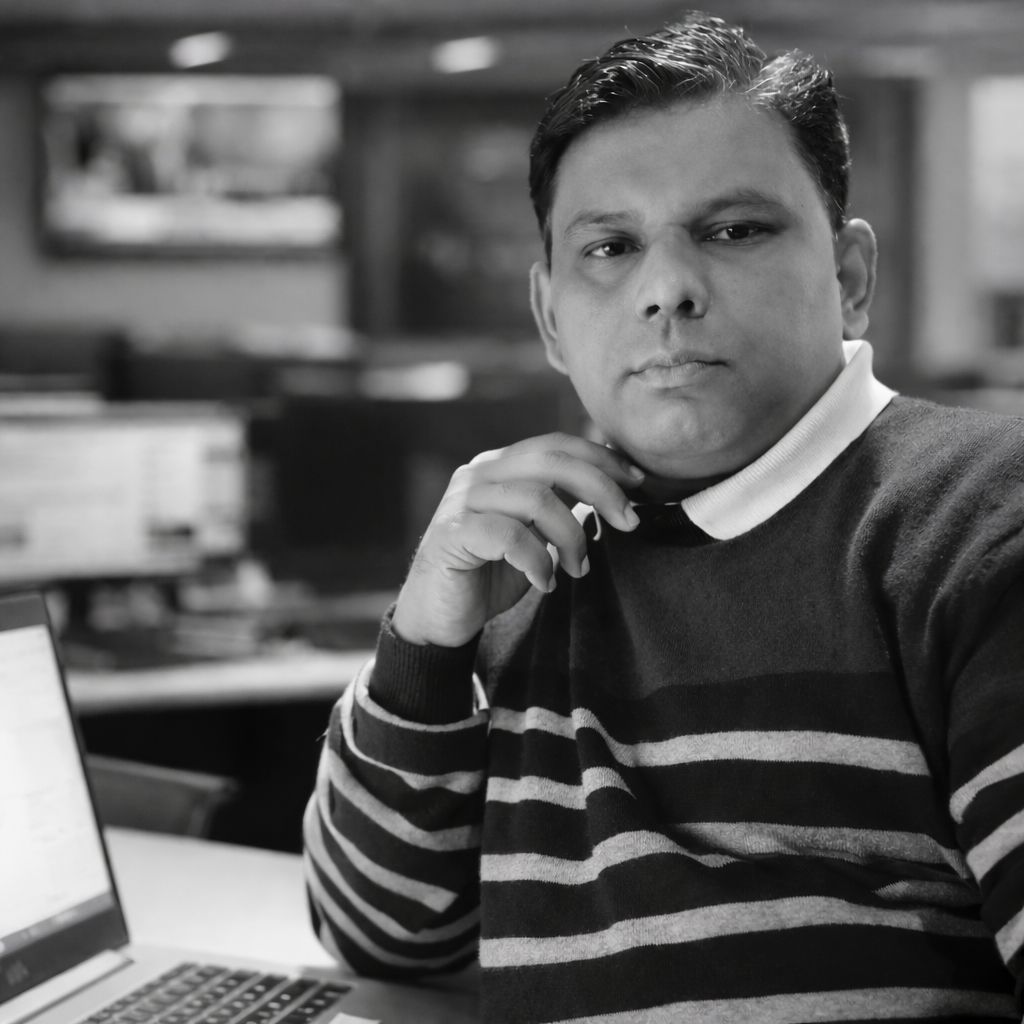
Hyder Ali is the Editor – Global Affairs at Paris Telegraph, writing at the fault lines of power, politics, and global transformation. His commentary challenges conventional narratives and examines how emerging powers, shifting alliances, and strategic rivalries are reshaping the international order.
From Paris, he analyzes Europe’s geopolitical recalibration, the rise of Asia, the assertiveness of the Global South, and the strategic competition defining the 21st century. His work explores diplomacy, defence, energy security, economic realignment, and the ideological battles shaping world politics.
With a direct and analytical voice, Hyder Ali offers perspective-driven commentary that goes beyond headlines — interrogating power structures, questioning policy orthodoxy, and highlighting the deeper forces driving global change.
Great to know India-French connection and live wire to present times . Good article Mr Ali
For the reason that the admin of this site is working, no uncertainty very quickly it will be renowned, due to its quality contents.