
Iran Protests: Domestic Grievances, Foreign Claims, and the Question of Regime Change
Paris / Tehran 12-January 2026
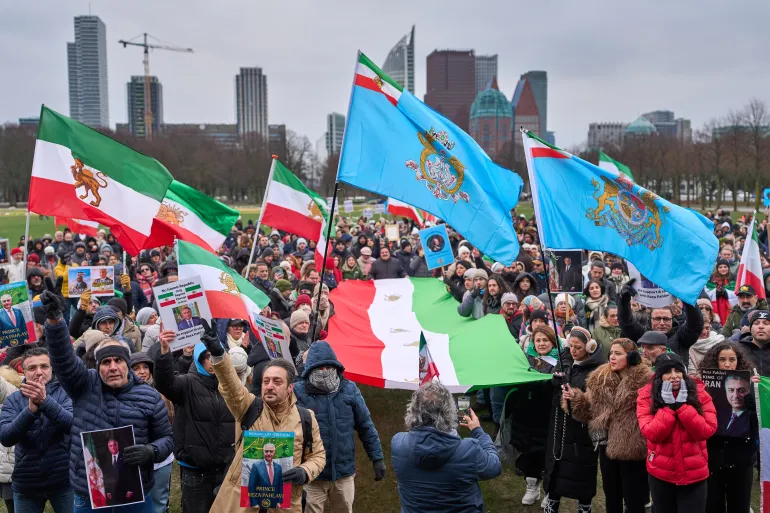
Iran has once again witnessed widespread street protests across several cities, driven primarily by economic hardship, political dissatisfaction, and long-standing social grievances. Demonstrations have included students, workers, and ordinary citizens expressing frustration with inflation, unemployment, corruption, and restrictions on political freedoms.
While protests are not new in Iran, their recurrence highlights unresolved structural problems within the country. At the same time, the unrest has reignited a familiar debate: are these protests purely domestic, or are foreign powers attempting to influence events?
What Is Verified: The Domestic Roots
Independent reporting and historical patterns confirm several key facts:
- Iran is facing severe economic pressure, including high inflation, currency depreciation, and declining purchasing power.
- International sanctions, combined with internal mismanagement, have significantly constrained economic growth.
- Protest movements in Iran have repeatedly emerged without external coordination, including in 2009, 2019, and 2022.
- Participants consistently cite living costs, governance failures, and lack of political accountability as primary motivations.
These factors establish that the core drivers of the protests are domestic, rooted in everyday realities faced by Iranian citizens.
Government Claims of Foreign Involvement
Iranian authorities have accused external actors — particularly the United States and Israel — of encouraging unrest through media influence, cyber operations, or intelligence activity. Such claims are not unprecedented and are commonly raised during periods of internal instability.
However, it is important to distinguish allegations from evidence.
To date, no independent, verifiable proof has been presented showing that foreign intelligence agencies are directing or organizing the protests on the ground.
Analysts note that governments under pressure often frame internal dissent as foreign interference to:
- Undermine the legitimacy of protesters
- Justify security crackdowns
- Consolidate domestic support
This does not mean foreign governments are uninvolved in Iran at all — only that direct orchestration of street protests has not been substantiated.
Foreign Interest vs. Foreign Control
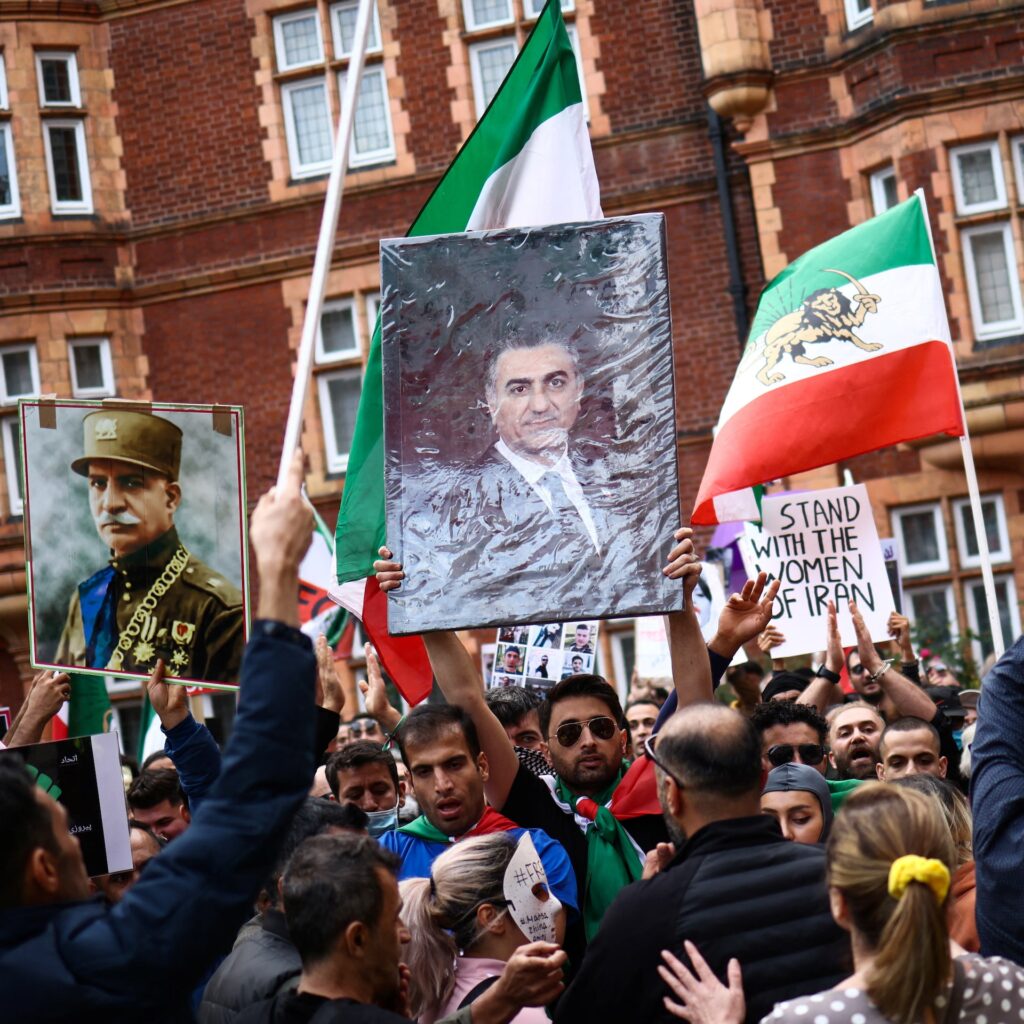
There is a critical distinction between foreign interest and foreign control.
The United States and Israel openly view Iran as a strategic adversary. Both countries:
- Support increased pressure on Iran through sanctions and diplomacy
- Publicly comment on Iran’s internal developments
- Express rhetorical support for human rights and protest movements
Yet public support or geopolitical interest does not equate to managing or creating protests. Intelligence agencies historically prefer covert, low-visibility methods rather than mass street movements that are unpredictable and difficult to control.
Historical Context: Lessons from Past Interventions
Concerns about foreign-driven regime change are shaped by recent history:
- Iraq (2003): External intervention dismantled the state without securing stability.
- Libya (2011): Regime collapse led to prolonged civil conflict.
- Afghanistan (2001–2021): Two decades of intervention ended with systemic failure.
These cases demonstrate that externally imposed political change often weakens institutions rather than strengthening them. As a result, skepticism toward foreign involvement resonates strongly across the Global South.
However, it is also a fact that Iran’s protests differ fundamentally from these cases:
There is no foreign military intervention, no externally installed leadership, and no unified opposition sponsored by outside powers.
U.S. Policy and the “Global Policeman” Debate
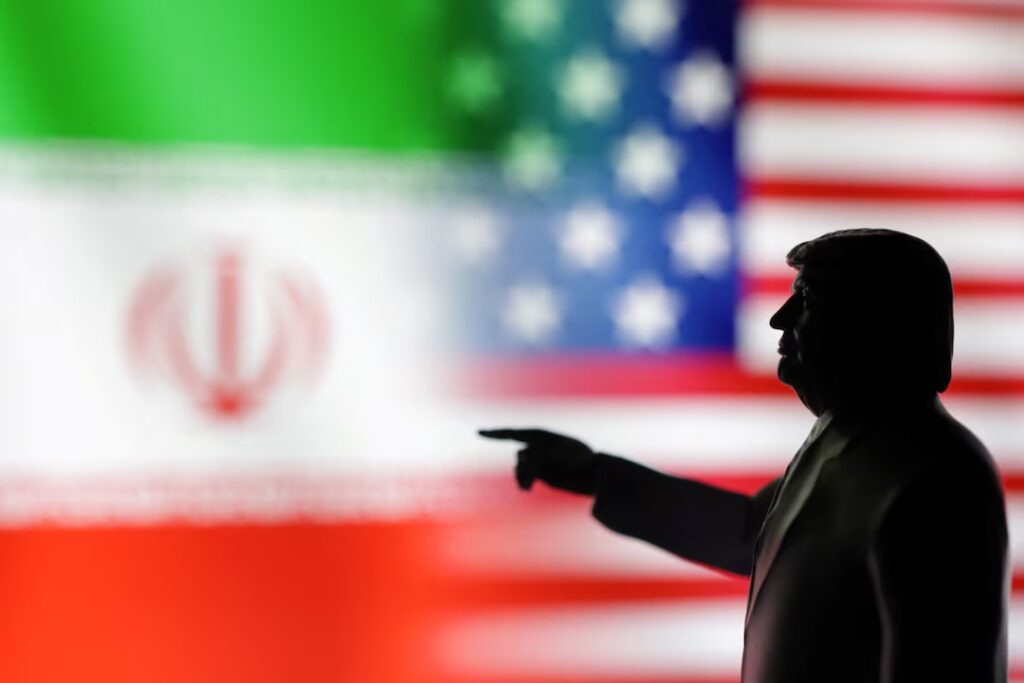
U.S. foreign policy under President Donald Trump has included:
- Maximum-pressure sanctions on Iran
- Open hostility toward the Iranian government
- Assertive rhetoric toward Venezuela
- Controversial geopolitical statements, including regarding Greenland
Critics argue this reinforces the image of the United States acting as a global enforcer rather than a stabilizing force. Supporters counter that such policies aim to deter authoritarian behavior and regional instability.
What remains clear is that external pressure alone has not produced political reform in Iran, nor has it resolved underlying grievances.
Internal Crisis with External Implications
The protests in Iran are real, widespread, and driven primarily by domestic conditions. While foreign governments observe events closely and pursue their own strategic interests, there is no credible evidence that the unrest is being orchestrated from abroad.
At the same time, history justifies caution. Iranians — like people everywhere — have the right to determine their future without external coercion or imposed outcomes.
The central challenge facing Iran is not foreign manipulation, but whether the state can address internal demands for economic dignity, political accountability, and social justice — before repeated cycles of protest and repression further destabilize the country.

Paris Telegraph is an independent France-based digital news platform covering Paris news, French politics, European affairs, global business, diplomacy and artificial intelligence.
Publishing timely reporting and in-depth analysis, Paris Telegraph provides international perspectives on geopolitics, economic developments, technology innovation and cultural trends shaping Europe and the world.
As a growing online media outlet, Paris Telegraph is committed to credible journalism, global insight and forward-looking analysis for readers seeking reliable news from Paris and beyond.