
ISLAMABAD BLAST: CLAIMS, CONTRADICTIONS, AND A CAPITAL ON EDGE
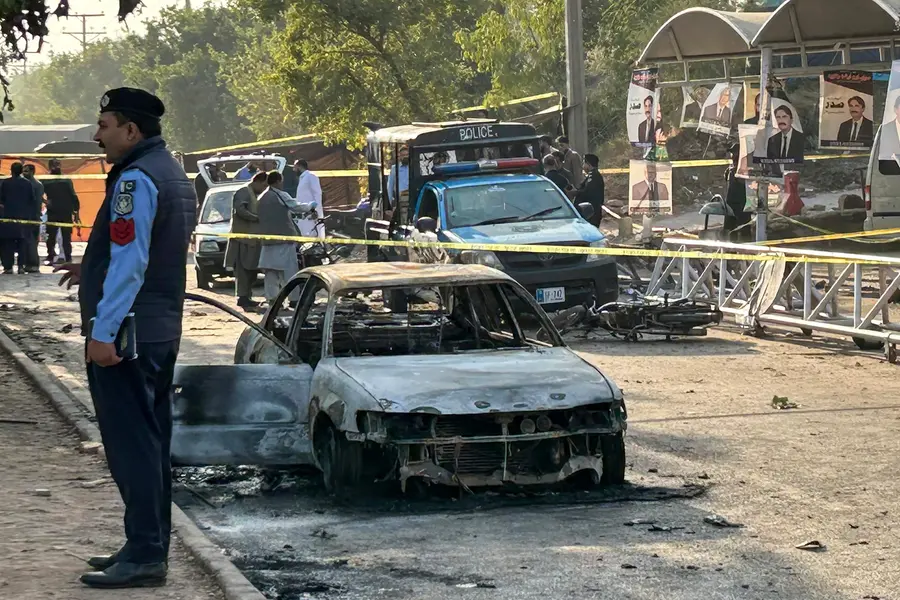
ISLAMABAD – The acrid smell of smoke and tragedy still hangs heavy in the air outside the District Judicial Complex in Islamabad’s G-11 sector. A day after a devastating suicide blast killed 12 and wounded 36, the capital is grappling not only with grief but with a thickening fog of contradictions, unanswered questions, and official silence that threatens to erode public trust.
While the banned militant outfit Jamaat-ul-Ahrar (JuA) was quick to claim responsibility, the nature of the attack and the state’s response have spawned a wave of uncertainty, leaving analysts and citizens alike to wonder: what truly happened on November 11th, and why does Pakistan feel like it is becoming a more dangerous place by the day?
The Official Narrative: A Thwarted Attack
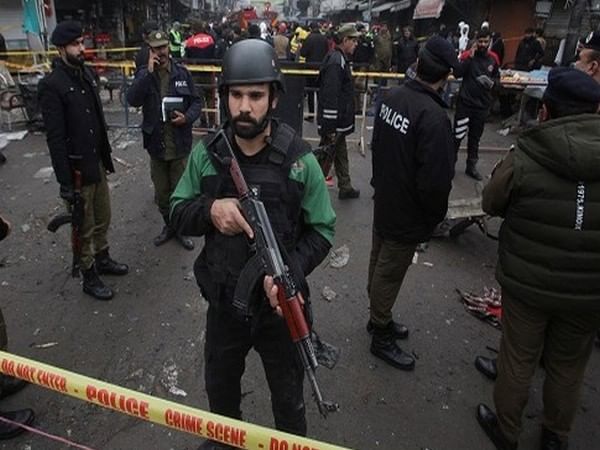
According to the preliminary police report, the sequence of events is as follows: at approximately 10:17 AM, as the courts were beginning their daily proceedings, a male individual approached the main security checkpoint of the Judicial Complex. He was challenged by alert security personnel who grew suspicious of his bulky attire. Before he could be subdued, the bomber detonated his explosives vest, causing carnage mere meters from the entrance.
“The quick response of our security forces prevented a far greater catastrophe,” stated Capital City Police Officer (CCPO) Dr. Syed Ali Raza in a brief press conference. “Had the attacker managed to penetrate the main building, the loss of life would have been unimaginable. The victims are predominantly lawyers, litigants, and police personnel stationed at the gate.”
The death toll, currently at 12, is feared to rise as several of the 36 injured remain in critical condition.
The Claim and The Lingering Questions
Within hours of the blast, a statement from Jamaat-ul-Ahrar, a faction of the Tehrik-i-Taliban Pakistan (TTP), circulated on militant-affiliated channels. The group claimed the attack was “a continuation of our operations against the Pakistani state and its judicial system,” which they deem un-Islamic.
However, their claim has been met with deep skepticism from security analysts, giving rise to the “mysteries” surrounding the event.
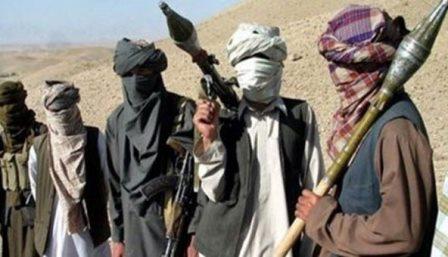
- The JuA Conundrum: “Jamaat-ul-Ahrar has been largely dismantled and its operational capacity severely degraded in recent years,” explains Brigadier (Retd.) Saad Mohammad, a security analyst. “For them to execute a sophisticated suicide attack in the heart of Islamabad, bypassing multiple layers of security, raises immediate red flags. Is this a genuine resurgence, or is another, more potent group using their name as a façade?”
- The Intelligence Failure: The most pressing question being asked in political and media circles is how a suicide bomber could get so close to a high-profile target in the capital. Islamabad has one of the highest security perimeters in the country. The failure of intelligence agencies to intercept any communication or flag the threat has prompted calls for a high-level inquiry.
- The Target Discrepancy: If the goal was to target the judicial complex, why detonate at the outer perimeter? Some investigators are privately suggesting the attacker may have been spooked, or that the actual target might have been a specific individual or convoy scheduled to arrive at that time—a theory the police have neither confirmed nor denied.
A Nation Unraveling? Why Pakistan Feels Less Safe
Beyond the immediate forensics of this attack, a larger, more alarming pattern is emerging, leading many to ask why Pakistan’s security situation is deteriorating.
“Islamabad is a microcosm of a national crisis,” says Ayesha Siddiqa, a political commentator. “The blast is not an isolated incident but a symptom of a deeper malaise.” Analysts point to a confluence of factors:
· Resurgent Militancy: The peace achieved through past military operations is fraying. The Taliban’s return to power in Afghanistan in 2021 emboldened their ideological brethren in Pakistan. Groups like the TTP have found safe haven, regrouped, and are now launching more audacious attacks with impunity.
· Political and Economic Instability: A perpetually volatile political landscape and a crippling economic crisis have diverted state attention and resources. “When the government is focused on political survival and economic firefighting, long-term security strategy and counter-extremism narratives often take a backseat,” notes Siddiqa.
· Fractured Security Response: The lack of a unified national counter-terrorism policy, coupled with reported tensions between civilian and military institutions over how to handle militants, has created operational gaps that extremist groups are adept at exploiting.
· The Ideological Vacuum: Critics argue that the state has never consistently and effectively countered the extremist ideologies that fuel groups like JuA. Without dismantling the networks of radicalization, each defeated militant group gives way to a new iteration.
A Capital Under Siege, A Nation Seeking Answers
For the residents of Islamabad, a city that often felt insulated from the militant violence plaguing the peripheries, the attack is a brutal awakening. The familiar checkpoints and roadblocks now feel less like routine security and more like the fragile defenses of a state under siege.
As the funerals for the victims are held and the city mourns, the demand for clarity is growing louder. The mist surrounding the Islamabad judicial complex blast will not dissipate with mere statements of condemnation. It requires a transparent, credible investigation and, more importantly, a sober national conversation about the tangled web of militancy, politics, and policy that has made Pakistan feel increasingly unsafe. The explosion at the judicial complex is not just a breach of a physical perimeter; it is a stark indictment of a failing security paradigm.

Paris Telegraph is an independent France-based digital news platform covering Paris news, French politics, European affairs, global business, diplomacy and artificial intelligence.
Publishing timely reporting and in-depth analysis, Paris Telegraph provides international perspectives on geopolitics, economic developments, technology innovation and cultural trends shaping Europe and the world.
As a growing online media outlet, Paris Telegraph is committed to credible journalism, global insight and forward-looking analysis for readers seeking reliable news from Paris and beyond.