
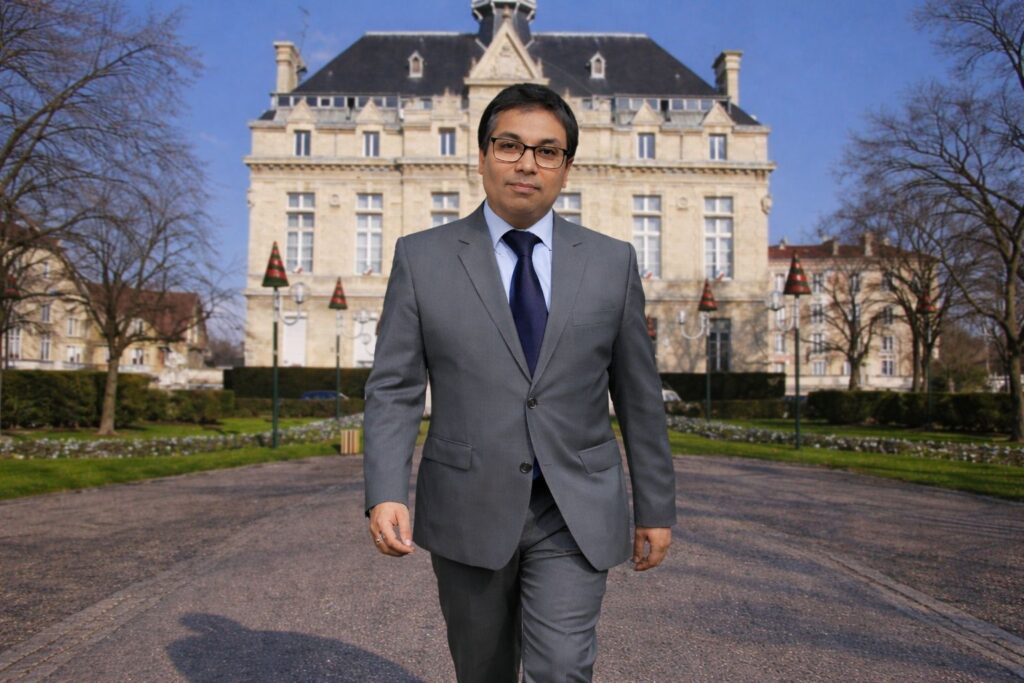
Exclusive Interview Mayoral Candidate of La Courneuve: Amirdine Farook
La Courneuve: A Diverse and Dynamic City at the Gates of Paris
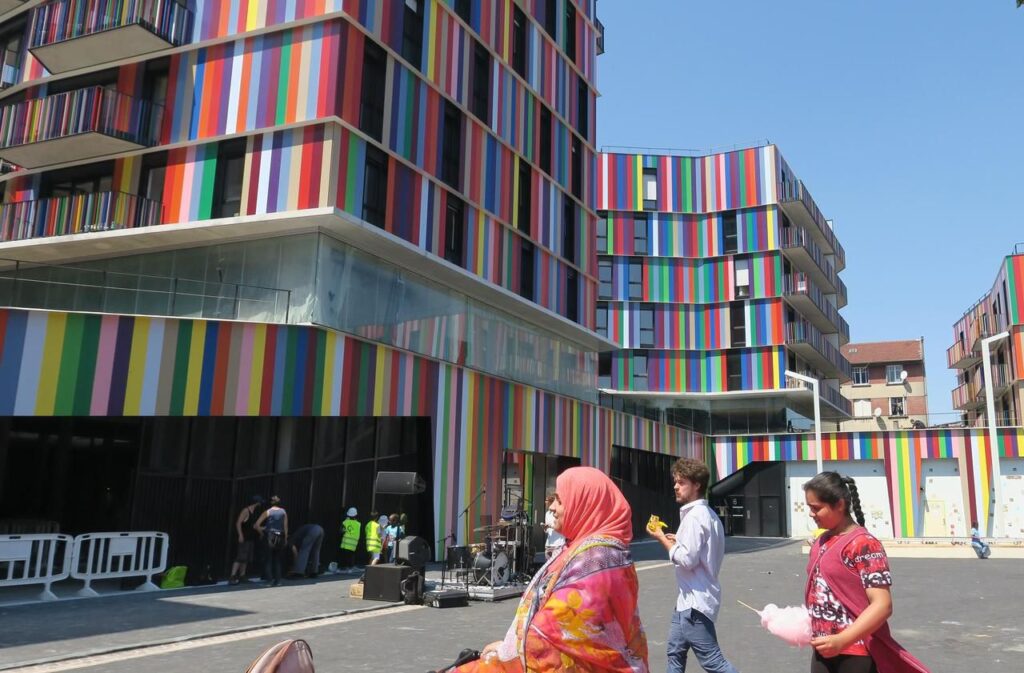
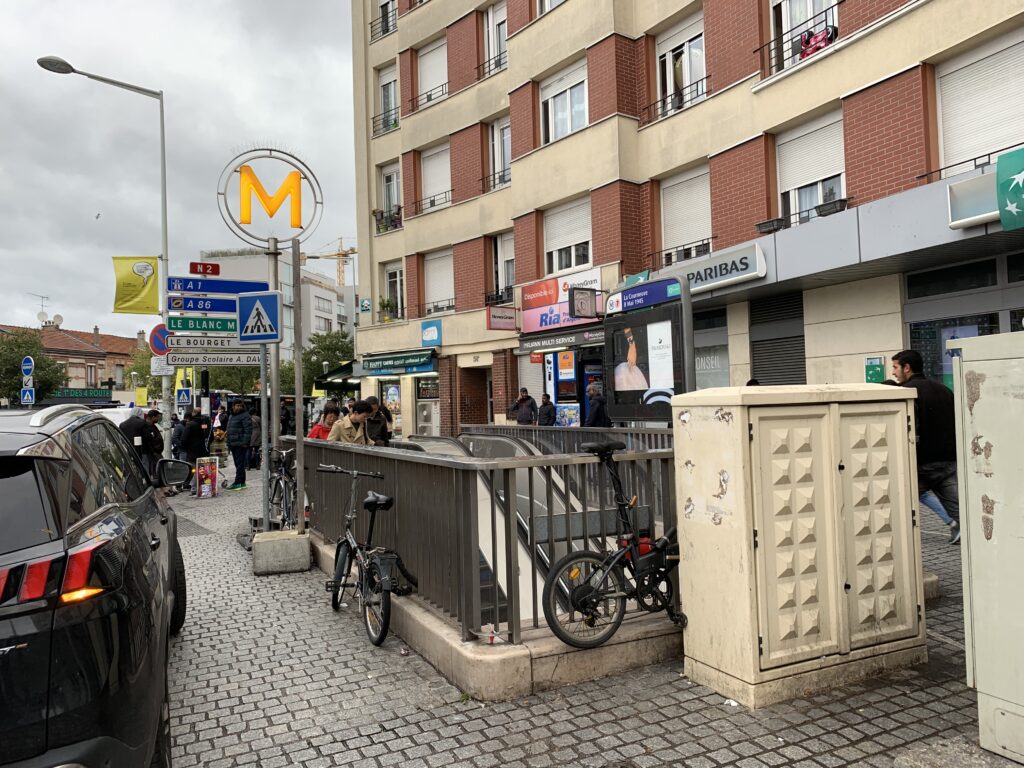
La Courneuve is a densely populated, culturally rich city located just north of Paris in the Seine-Saint-Denis department (Île-de-France). With an estimated 47,000 residents, the city is one of the most vibrant and diverse communes in the Paris metropolitan area. It has a population density of approximately 6,260 inhabitants per square kilometer, far exceeding the national average.
The city is home to over 100 different nationalities, reflecting its strong multicultural character and vibrant immigrant communities. Around 36.5 % of residents are foreign nationals, and La Courneuve is known for its dynamic mix of African, Arab, Asian, Indian, Sri Lankan, Pakistani, Chinese, and European-origin families living side-by-side.
Like many urban centers of the Paris region, La Courneuve wrestles with important social challenges, including youth unemployment and housing needs. According to official data, the activity rate for residents aged 15–64 is nearly 69 %, while the local unemployment rate stands at about 15.8 %, significantly higher than the national average. The city’s median annual household income is around €15,150, reflecting the economic realities for many families.
Housing in La Courneuve is also notable: of roughly 14,400 dwellings, around 72 % of households are renters, and about 50 % of housing units are social (HLM) residences, underscoring the importance of affordable housing and urban planning to local residents.
Despite these challenges, La Courneuve is a city of immense potential — a place where cultural diversity meets economic ambition, and where community initiatives, business growth, and urban renewal projects continue to shape its future.
It is in this dynamic context that Paris Telegraph sat down with Amirdine Farook, a long-time local leader and mayoral candidate, to discuss his vision for La Courneuve.
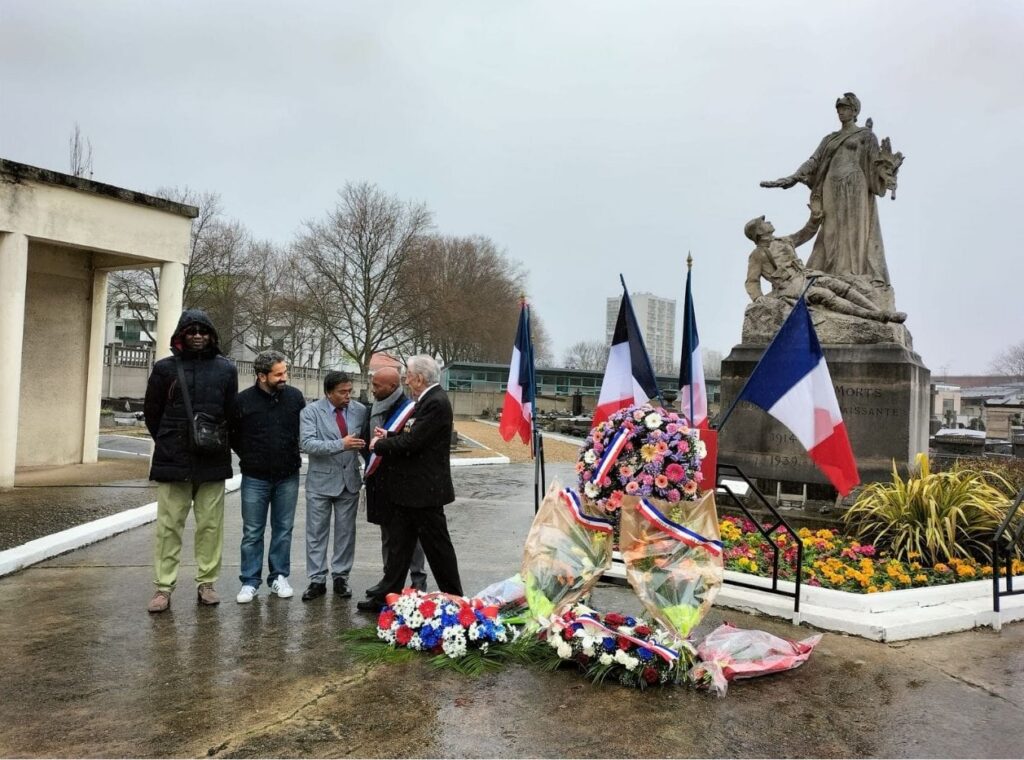
Against this social, cultural, and political backdrop, Paris Telegraph turns its focus to a well-known civic and political figure in La Courneuve.
Amirdine Farook has lived in La Courneuve for over 45 years and brings four decades of political and civic engagement within the city. He served as a municipal councillor from 2001 to 2008 and was also a member of the board of directors of the La Courneuve public housing authority, where he gained first-hand experience in local governance and housing policy.
Holding a Bachelor’s degree (Bac +3), Mr. Farook has professional training in cultural management, public administration, and technical fields. Beyond his institutional roles, he is also recognized as a human rights defender, with long-standing involvement in social justice and community advocacy.
After leading a municipal list for the first time in 2020, he went on to contest the 2024 legislative elections. The upcoming 2026 municipal elections will mark his third electoral campaign, representing a continuation of his long political journey and deep local roots in La Courneuve.
It is in this context that Paris Telegraph presents the following interview, in which Mr. Farook outlines his vision, priorities, and proposals for the future of La Courneuve.
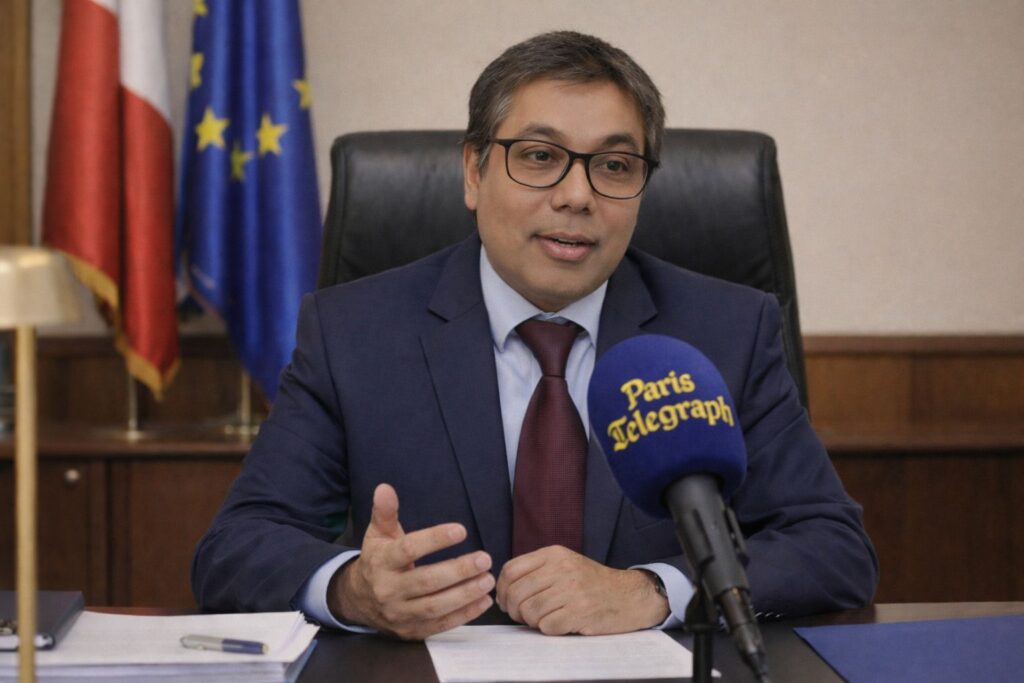
Exclusive Interview Mayoral Candidate of La Courneuve: Amirdine Farook
1. Why are you running in the municipal election now?
I have been actively involved in La Courneuve for many years and participated in municipal lists in 2001 and 2008.
In 2020, I ran for the first time as head of list and candidate for mayor.
In 2026, I am running again for mayor, following my candidacy in the 2024 legislative elections.
This progressive political journey allows me today to act with experience, perspective, and a strong sense of responsibility.
2. What will be the most visible change during your first term?
A city hall that is close to residents, present on the ground, and responsive on a daily basis.
We will also work on the city’s image by promoting La Courneuve positively—through events, public engagement, and collaboration with actors and influencers capable of presenting a new vision of the city.
Changing external perceptions also means restoring pride and well-being among residents, so they feel comfortable living in and welcoming others to La Courneuve.
3. La Courneuve suffers from a negative image. How can this be changed?
A city’s image begins with how its residents feel.
When people feel respected, listened to, and experience a better quality of daily life, the image changes naturally.
It is the residents themselves who restore pride, attractiveness, and confidence in La Courneuve.
4. What is the most urgent issue today?
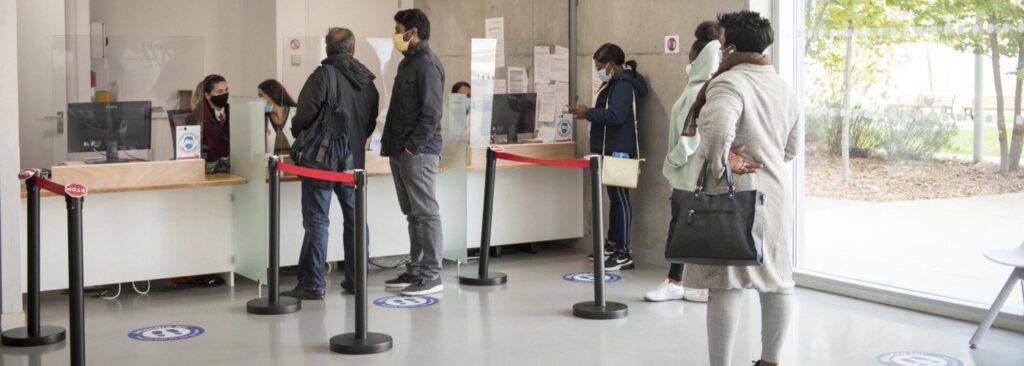
Healthcare, starting with the fight against medical desertification.
La Courneuve has fewer than 20 doctors for a city of this size, which is unacceptable.
We will act immediately to retain doctors who are nearing retirement by finding financial and administrative solutions so they can continue practicing.
Training a doctor takes an average of 12 years—we cannot wait.
Next come security, a healthier environment, and employment. These priorities are interconnected and must be addressed together.
5. How can security be strengthened without stigmatization?
By coordinating all local actors: municipal police, public safety officers (ASVP), mediators, neighborhood workers, and public-space agents.
This will be done in close cooperation with the national police to improve prevention, anticipation, and intervention.
The priority is human presence, prevention, and anticipation, without division or stigmatization.
6. How can trust between residents and institutions be restored?
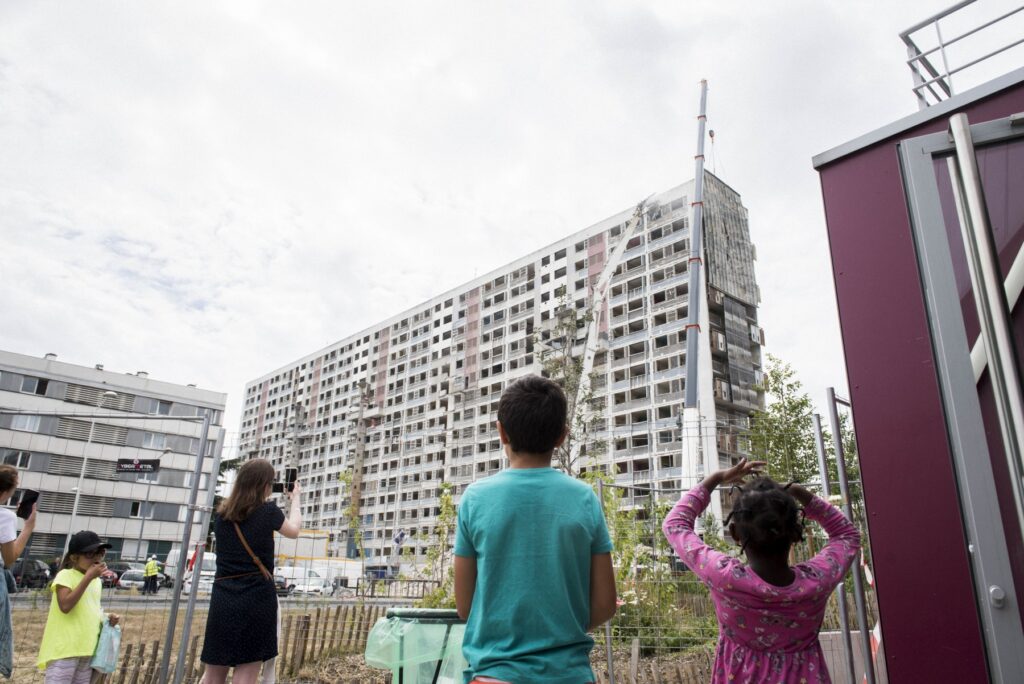
By involving young people, parents, associations, teachers, and educational teams.
City hall must bring together all positive forces, including youth, around a shared goal.
Trusting young people also means giving them a role in building the city’s future.
7. Youth unemployment remains high. What concrete measures do you propose?
The creation of an annual municipal youth employment plan, with clear objectives evaluated every year.
City hall will actively facilitate access to apprenticeships, internships, training programs, and first jobs, in partnership with companies and institutions.
A public annual report will measure results and allow adjustments.
8. What role should the municipality play in education and academic support?
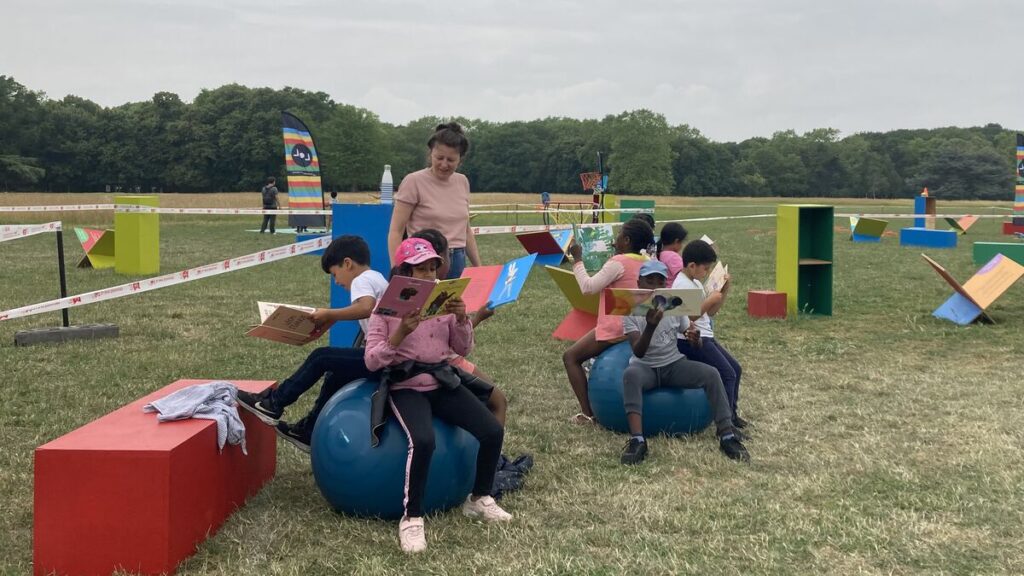
Support programs already exist, but they are scattered and poorly coordinated.
City hall must coordinate these efforts with schools, associations, and teachers.
Accessible after-school support allows every child to succeed, regardless of social background.
9. Should La Courneuve rethink its urban model?
Yes. We want urban spaces that are clearer, safer, and more readable.
This includes intelligent and interactive traffic lights to improve flow and safety, redesigned and color-coded roads and sidewalks, fully compliant with road and pedestrian safety standards.
Enhanced lighting closer to ground level will improve visibility and safety day and night.
10. How can you ensure fair access to municipal services and benefits?
Every program, outing, or benefit must be equitably accessible, without favoritism.
When demand exceeds supply, transparent lottery systems—especially online—will be used.
The goal is neutrality, fairness, and equal access for all.
11. How can multiculturalism and integration coexist?
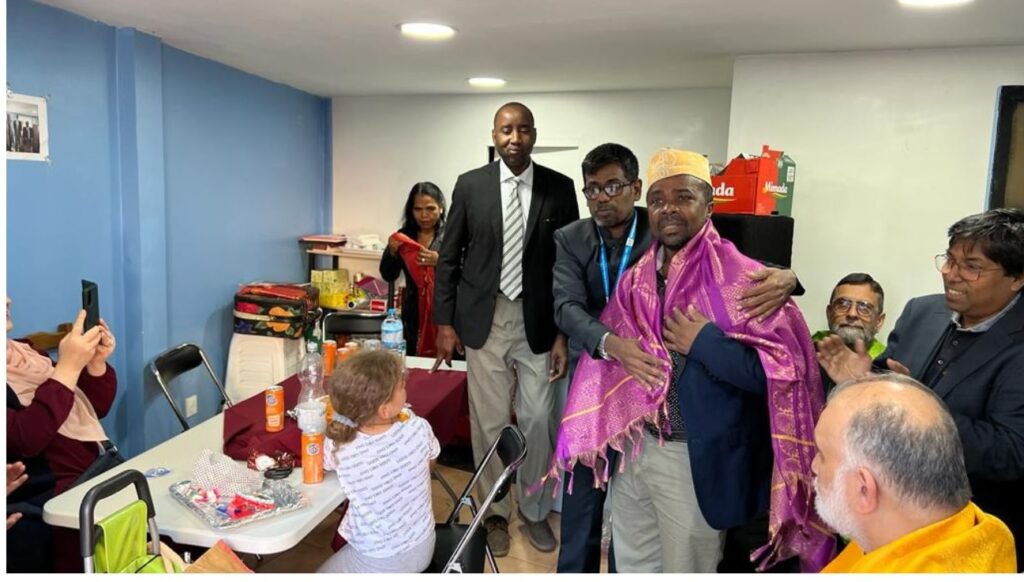
By encouraging cultural expression in a spirit of solidarity and respect for republican values.
The creation of an International Cultural Center will allow transparent, open events throughout the year.
Culture then becomes a tool for social cohesion and shared dignity.
12. How does your personal background influence your political commitment?
I have lived in La Courneuve for 45 years, with 40 years of local political experience.
The 2026 election will be my third campaign under my own name.
I have always been present on the ground, with free and open citizen offices.
13. Administrative procedures are often complex. What are your solutions?
To create a modern municipal service adapted to the realities of 2025.
A single municipal WhatsApp number will allow residents to receive fast, secure, and personalized responses.
This digital service will complement—but never replace—physical reception.
14. How can public action be more humane and effective?
I started working at the age of 14 due to family necessity.
I have experienced financial hardship, serious illness in my family, and lack of social protection.
These experiences taught me the realities of everyday life.
Politics must serve to ease people’s lives, where individual effort alone is not enough.
15. What support will be given to local businesses?
Simplifying procedures and strengthening security around shops.
We will create an interactive service dedicated to shopkeepers and entrepreneurs, offering multilingual support so everyone receives equal assistance.
The goal is to allow businesses to grow calmly and sustainably.
16. How will you attract investment and jobs?
Through a cooperative administration and a calm, reassuring environment.
We want La Courneuve to shine beyond the city and the region as a dynamic and welcoming territory.
An attractive city draws investment, strengthens the local economy, and improves services without increasing taxes.
17. What are your environmental priorities?
To breathe better and live better—together.
Greening the city, improving daily living conditions, and involving residents.
We plan to plant approximately 10,000 trees and shrubs.
18. Are economic development and ecology compatible?
Yes. A city that is more visible, joyful, and well-known attracts more local investment and activity.
This dynamism allows residents to achieve economic independence, create businesses, innovate, and live better in their own city.
19. How will residents be involved in municipal decision-making?
By working closely with local associations and neighborhood representatives.
Remote voting tools via a dedicated application may complement participation, but they will never replace on-the-ground consultation.
20. Why should voters trust you?
Because people come before politics and political parties.
Parties organize elections; city hall must stay close to residents and attentive to their daily lives.
It is this proximity, experience, and sincerity that define my commitment.
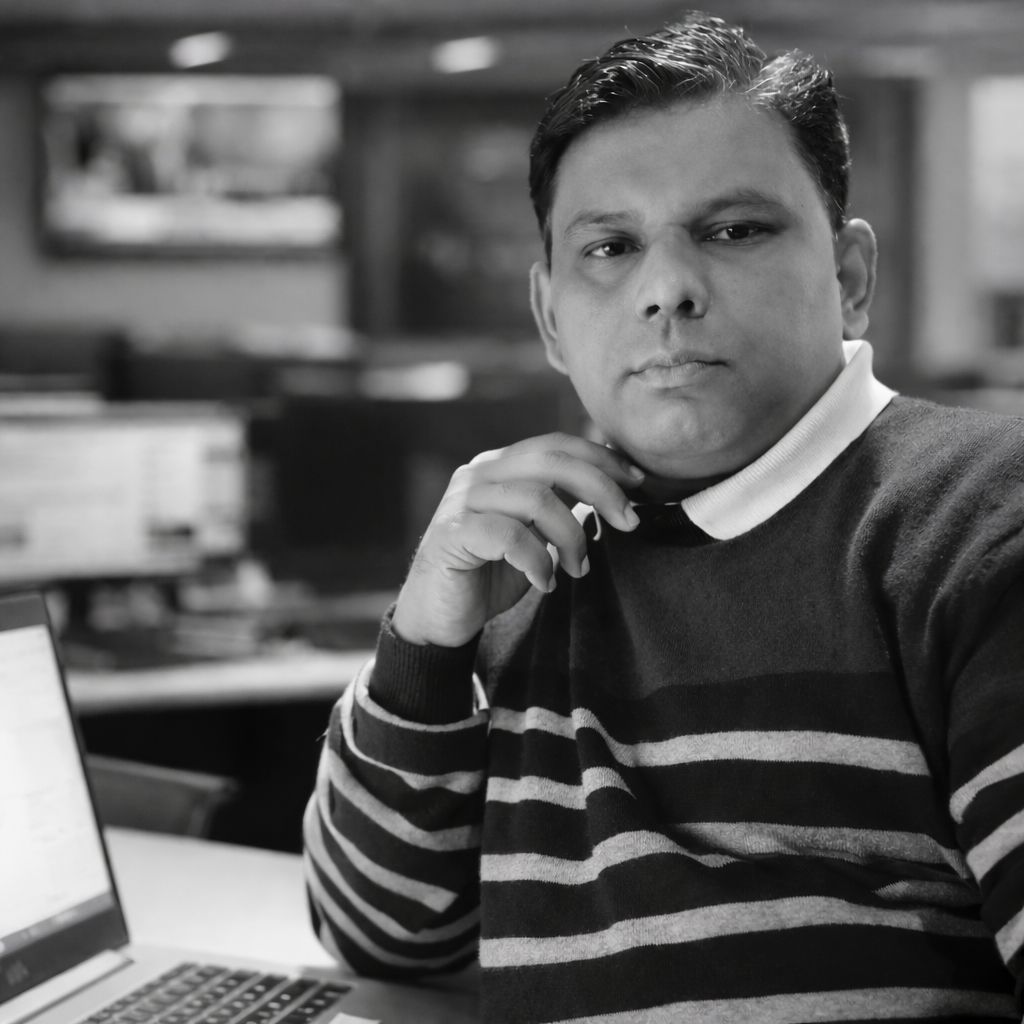
Hyder Ali is the Editor – Global Affairs at Paris Telegraph, writing at the fault lines of power, politics, and global transformation. His commentary challenges conventional narratives and examines how emerging powers, shifting alliances, and strategic rivalries are reshaping the international order.
From Paris, he analyzes Europe’s geopolitical recalibration, the rise of Asia, the assertiveness of the Global South, and the strategic competition defining the 21st century. His work explores diplomacy, defence, energy security, economic realignment, and the ideological battles shaping world politics.
With a direct and analytical voice, Hyder Ali offers perspective-driven commentary that goes beyond headlines — interrogating power structures, questioning policy orthodoxy, and highlighting the deeper forces driving global change.