
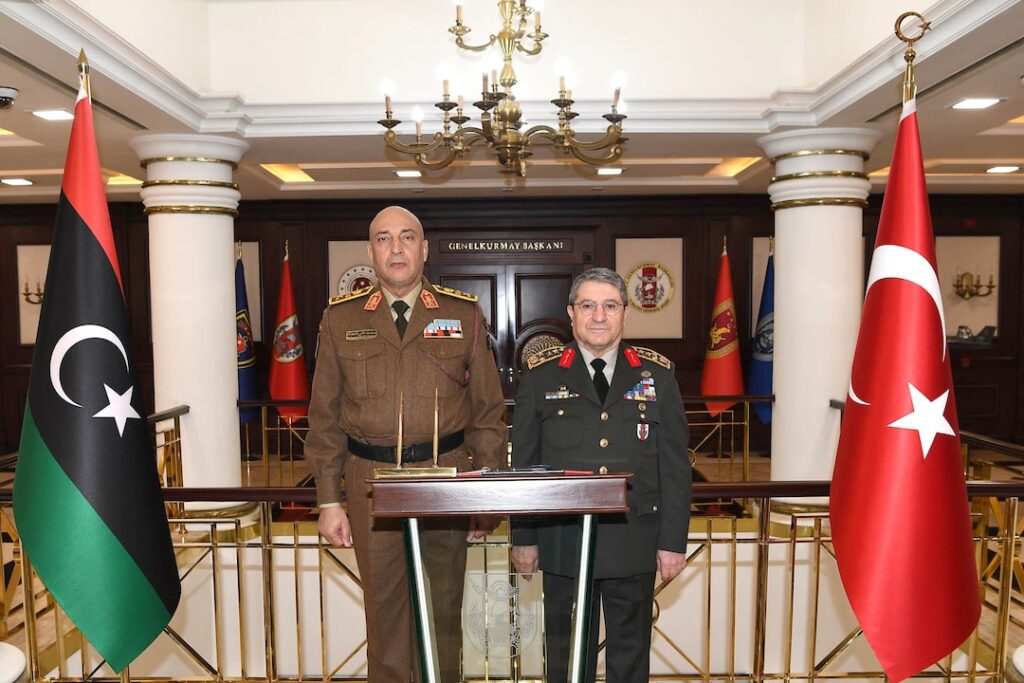
Libya Army Chief of Staff Mohammed Ali Ahmed al-Haddad Killed in Air Crash Near Ankara, Turkey
ANKARA / TRIPOLI — Libya Military Chief Dies in Ankara Plane Crash
Libya’s top military leader, General Mohammed Ali Ahmed al-Haddad, along with four senior Libyan officials, has been confirmed dead following a plane crash near Ankara, Turkey, Libyan authorities announced Wednesday. The tragedy has sent shockwaves through Libya’s political and military establishment as investigations continue.
This article provides the latest verified updates, official statements, investigation details and the impact on Libya–Turkey relations.
Who Was Mohammed Ali Ahmed al-Haddad?
General Mohammed Ali Ahmed al-Haddad served as the chief of staff of the Libyan National Army, commanding a key role in efforts to unify Libya’s fragmented military forces. His leadership was central to defence planning and coordination among competing Libyan factions.
Alongside al-Haddad, four senior Libyan officials were killed in the crash, underscoring the severity of the incident and its implications for Libya’s stability.
Crash Details: Libya Army Plane Down Near Ankara Airport
The military delegation was returning from defence talks in Ankara when the aircraft — a Dassault Falcon 50 private jet — lost contact after departure from Esenboğa Airport. Turkish authorities reported that the plane experienced technical difficulties before failing to complete its flight.
Emergency services located the crash site near Kesikkavak village in the Haymana district, south of Ankara. Search and rescue teams are examining the wreckage amid challenging weather conditions.
Key facts about the crash:
- Aircraft type: Dassault Falcon 50
- Departure: Esenboğa Airport, Ankara
- Destination: Tripoli, Libya
- Fatalities: 5 passengers (including Libya army chief)
- Crew: 3 (status under confirmation)
Confirmed Victims: Libyan Military Leaders Killed
Officials have confirmed the identities of the Libyan delegation:
- General Mohammed Ali Ahmed al-Haddad – Libya Army Chief of Staff
- General Al-Fitouri Ghraibil – Head of Ground Forces
- Brigadier General Mahmoud Al-Qatawi – Director, Military Manufacturing Authority
- Mohammed Al-Asawi Diab – Senior Adviser to Chief of Staff
- Mohammed Omar Ahmed Mahjoub – Military Photographer
The names of the three crew members on board have not been publicly released.
Official Statements and National Mourning
Libya’s Prime Minister Abdul-Hamid Dbeibeh issued a statement calling the incident a “tragic loss” for the nation’s armed forces and extended condolences to the families of the victims.
The Libyan Government of National Unity has declared three days of national mourning, with state ceremonies planned and flags flown at half-mast across Libya’s institutions.
In Ankara, Turkish officials have pledged full cooperation with Libyan authorities to investigate the cause of the crash and ensure transparency.
Investigation: Cause of the Libya Plane Crash
Turkish aviation authorities and Libyan investigators are jointly examining the crash site to determine the cause. Early reports indicate:
- Possible electrical malfunction during descent
- Sudden loss of radar contact after attempted emergency landing
- Recovery operations underway for flight data recorder investigations
Officials have not ruled out other factors and expect preliminary findings in the coming days.
Impact on Libya–Turkey Relations
The accident comes amid strengthening diplomatic and military ties between Libya and Turkey. Ankara recently approved an extension of Turkish military support in Libya — part of ongoing defence cooperation.
General al-Haddad and his delegation were in Ankara for strategic talks intended to deepen military collaboration. Their deaths add a sensitive layer to bilateral relations, with leaders in both countries expressing deep sorrow.
Why This Matters: Political and Security Implications
The death of Libya’s army chief could impact:
- Libya’s military unification efforts
- Security operations against armed groups
- Regional defence alliances, particularly with Turkey
- Stability of Libya’s Government of National Unity
Experts say this event may lead to recalibrations within Libya’s military hierarchy and could affect ongoing efforts toward national reconciliation and security sector reform.

Paris Telegraph is an independent France-based digital news platform covering Paris news, French politics, European affairs, global business, diplomacy and artificial intelligence.
Publishing timely reporting and in-depth analysis, Paris Telegraph provides international perspectives on geopolitics, economic developments, technology innovation and cultural trends shaping Europe and the world.
As a growing online media outlet, Paris Telegraph is committed to credible journalism, global insight and forward-looking analysis for readers seeking reliable news from Paris and beyond.