
Macron India Rafale Deal: Can €30bn Defence Pact Anchor Europe in a Multipolar Asia?
Paris Telegraph – Saturday 21 February 2026
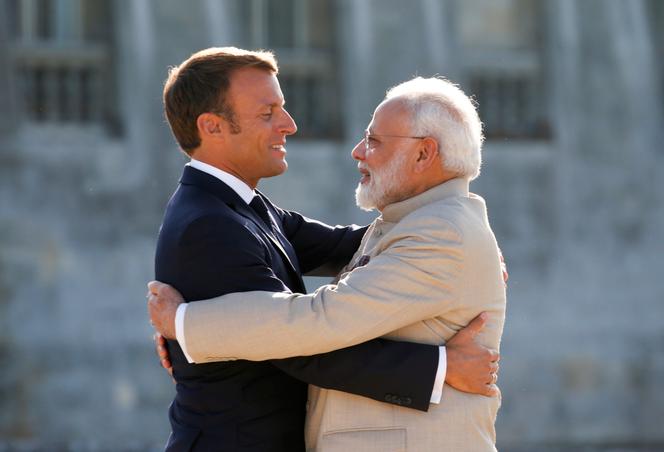
When Emmanuel Macron arrived in Mumbai for his fourth visit to India since 2017, the optics were carefully staged: tribute at the Taj Mahal Palace Hotel, a dawn jog along Marine Drive, and the inauguration of an Airbus helicopter assembly line near Bengaluru.
But beneath the choreography lies a harder strategic calculation.
At the centre of the Macron India Rafale deal discussions is a potential €30 billion contract for 114 Rafale fighter jets — a package that would mark India’s largest-ever defence acquisition and one of France’s most consequential export agreements.
This is not merely about aircraft.
It is about whether Europe can secure durable strategic relevance in Asia.
From Arms Export to Industrial Partnership
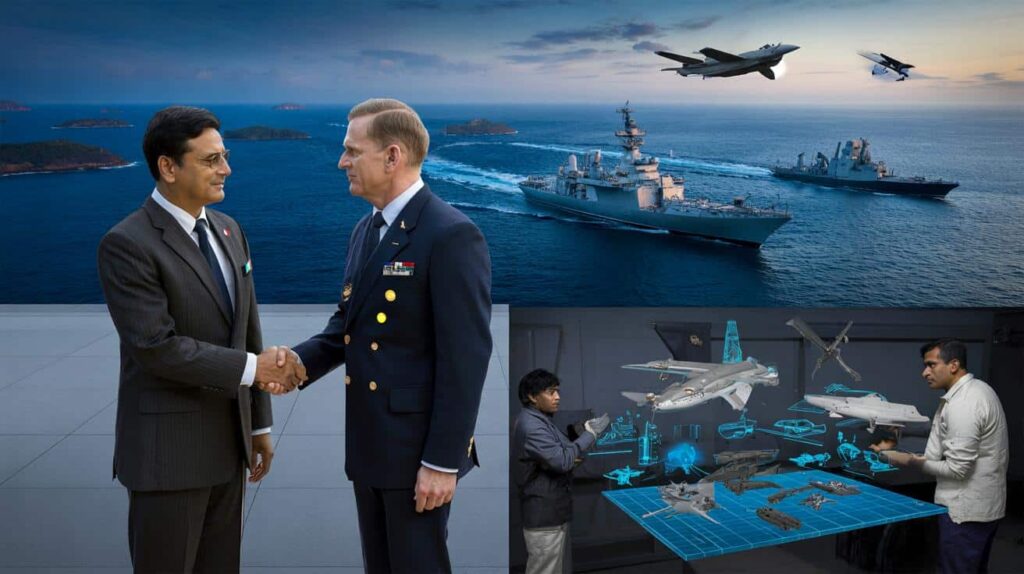
The Macron India Rafale deal represents a shift from a transactional buyer–seller model toward long-term industrial integration.
Indian negotiators are pushing for up to 90 aircraft to be manufactured locally, with significant domestic content. French defence group Dassault Aviation would anchor production, while Safran engines and missile systems could follow under co-production arrangements.
A previous effort in the early 2010s collapsed over liability guarantees and risk-sharing disputes with India’s HAL. This time, Paris appears more flexible — a recognition that India’s defence market now demands technology transfer and shared manufacturing.
For Delhi, this is not procurement alone. It is industrial policy.
India’s Strategic Hedging
The Macron India Rafale deal unfolds against India’s long-standing doctrine of multi-alignment.
Russia remains a key legacy supplier, including the S-400 missile defence system. Yet Moscow’s war in Ukraine and operational questions around Russian equipment have accelerated India’s diversification.
Reduced purchases of discounted Russian oil reflect narrowing price advantages more than geopolitical rupture. India is not defecting from Moscow; it is recalibrating.
France benefits from that recalibration.
Europe’s Quiet Competition with Washington
For Paris, India serves a dual strategic function.
First, it reinforces France’s status as Europe’s leading defence exporter at a time when NATO allies increasingly favour US-made F-35 platforms.
Second, it advances Europe’s broader ambition for strategic autonomy — reducing overdependence on American defence systems.
Unlike US defence sales, French agreements generally impose fewer operational constraints. That distinction carries weight in Delhi, where sovereignty over deployed systems is non-negotiable.
If Europe seeks strategic credibility beyond its immediate neighbourhood, India is the scale partner it cannot ignore.
Trade and Defence Converge
The Macron India Rafale deal is unfolding alongside renewed momentum in EU–India free trade negotiations.
India’s $4 trillion economy aspires to reach $10 trillion within the next decade. That ambition requires open trade corridors with Europe, the United States, the Gulf and beyond.
Europe, facing economic headwinds and transatlantic unpredictability, also needs growth partnerships.
Trade architecture and defence co-production are increasingly interlinked — economic depth reinforcing security alignment.
Technology: The Core Tension
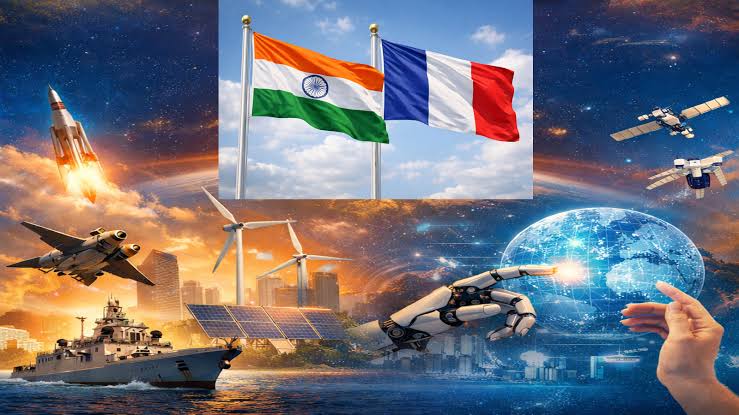
India’s demand for technology transfer reflects frustration with historical dependency. While France has signalled openness, no advanced defence producer readily surrenders core software codes or proprietary systems.
Yet compared with US end-use monitoring frameworks, France offers greater operational latitude.
For India, autonomy in deployment matters as much as cost efficiency.
Domestic Shifts in India
Indian defence spending has increased sharply following border tensions with China and clashes with Pakistan. Within the Indian Air Force, Rafale retains strong support despite political controversy.
At the societal level, younger Indian professionals are reassessing global mobility. Immigration uncertainties in the United States have made Europe comparatively attractive, though administrative bottlenecks remain.
Political goodwill must now translate into smoother execution.
A Strategic Window — but Not a Pivot
The Macron India Rafale deal will not transform India into a European-aligned power.
Delhi will continue balancing Washington, Moscow and Brussels.
But industrial interdependence creates strategic gravity. The deeper the manufacturing, maintenance and technology integration, the harder abrupt disengagement becomes.
For France, the wager is clear: anchor Europe in Asia through sustained industrial presence.
For India, the objective is equally clear: expand strategic autonomy without narrowing options.
In a fragmenting global order, both capitals see advantage in drawing closer — deliberately, incrementally and on their own terms.
By Hyder Ali Global Affairs Editor, Paris Telegraph
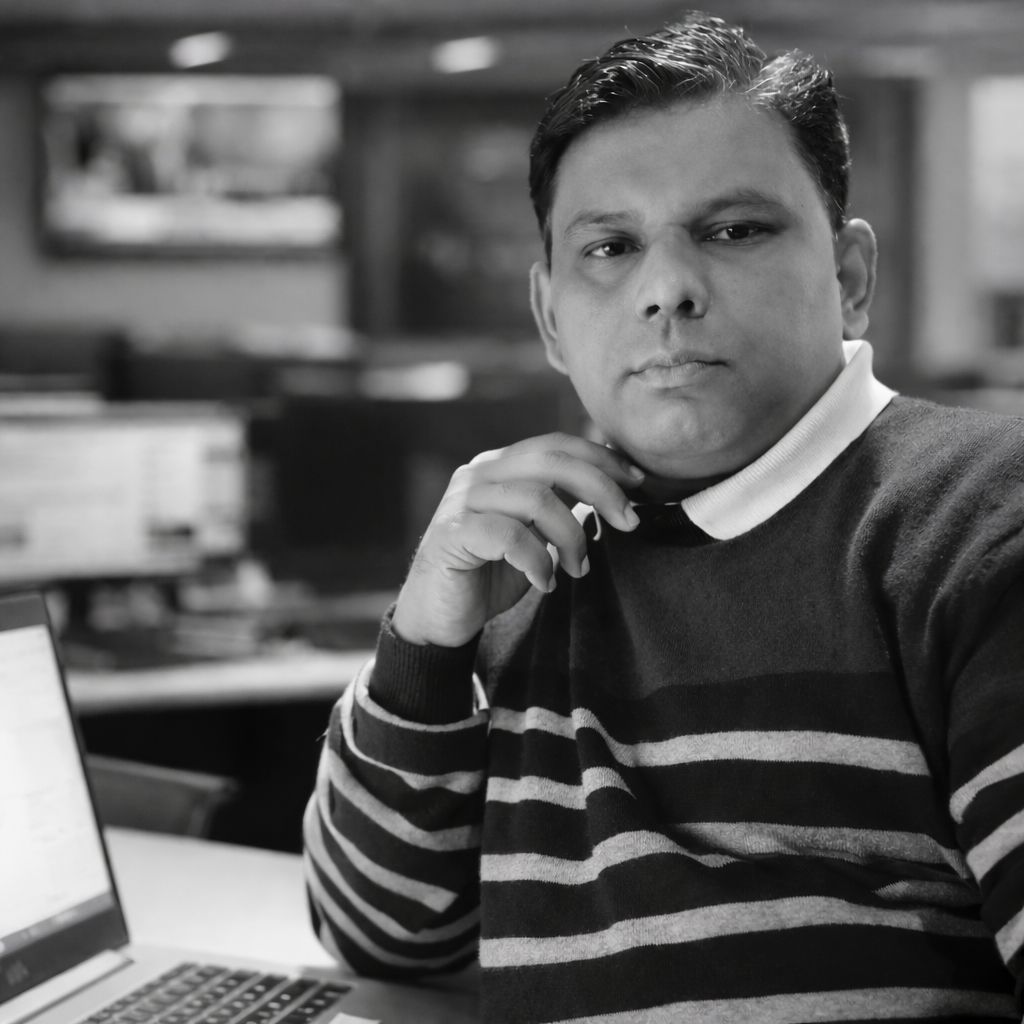
Hyder Ali is the Editor – Global Affairs at Paris Telegraph, writing at the fault lines of power, politics, and global transformation. His commentary challenges conventional narratives and examines how emerging powers, shifting alliances, and strategic rivalries are reshaping the international order.
From Paris, he analyzes Europe’s geopolitical recalibration, the rise of Asia, the assertiveness of the Global South, and the strategic competition defining the 21st century. His work explores diplomacy, defence, energy security, economic realignment, and the ideological battles shaping world politics.
With a direct and analytical voice, Hyder Ali offers perspective-driven commentary that goes beyond headlines — interrogating power structures, questioning policy orthodoxy, and highlighting the deeper forces driving global change.
I really enjoy reading this article, such an excellent piece, continue the good work, do you post often? you just got a fun from the eiffel tower paris. we are the best guide for paris eiffel tower. visit our site at https://eiffeltower-ticketparis.com/. thank you hope to hear from you.