
NYC Mayoral Race: A Test for the Progressive Movement Against Establishment Giants
NEW YORK – The race to lead New York City is in full swing, with early voting underway to determine who will succeed Mayor Eric Adams. The contest has crystallized into a battle for the city’s political soul, pitting a bold progressive against seasoned, powerful opponents from the political center and right.
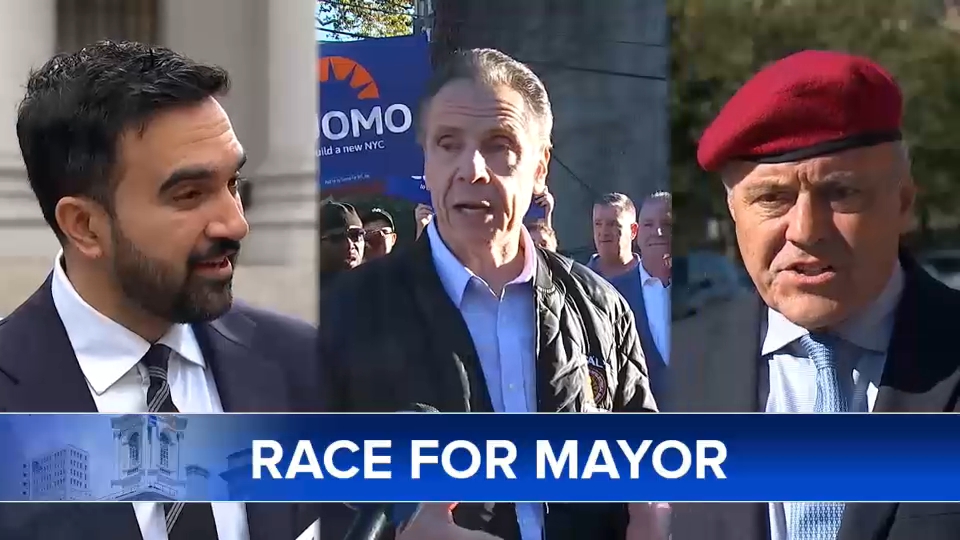
The contenders—Zohran Mamdani, a democratic socialist state assemblyman; Andrew Cuomo, the former governor seeking a dramatic comeback; and Curtis Sliwa, the conservative founder of the Guardian Angels—offer New Yorkers radically different visions for the future of this global metropolis.
While Cuomo and Sliwa represent familiar political archetypes, it is the candidacy of Zohran Mamdani that most clearly illustrates the ideological fissures within one of the world’s most important cities. For an international audience, the race serves as a key indicator of the strength of the progressive movement in the United States post-Bernie Sanders.
Mamdani’s Base: Strength in a Clear, Progressive Vision
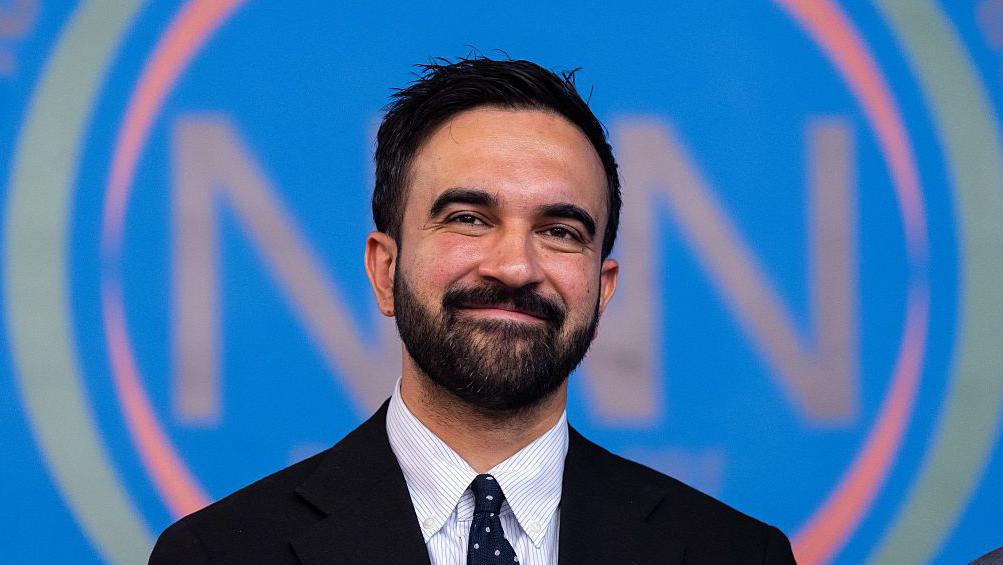
Assemblyman Zohran Mamdani is not attempting to appeal to everyone. His power derives from an unapologetically left-wing platform that has energized a dedicated base.
His core support comes from the Democratic Socialists of America (DSA) and a coalition of young, educated, and disaffected voters. This base is highly organized, providing a formidable army of volunteers for grassroots campaigning.
On the issues that define modern urban crises, Mamdani’s message is unambiguous:
· Housing: He is a leading proponent of “Good Cause Eviction” legislation to protect tenants and advocates for a massive expansion of city-owned social housing.
· Public Safety: He proposes a reimagining of public safety that funds mental health services and community programs over expanding police forces, directly challenging the “law and order” rhetoric of his opponents.
· Economic Justice: His “New Deal for CUNY” aims to make the city’s public university system free and well-funded, appealing to students and public sector unions.
“Mamdani represents a segment of the electorate that is tired of incrementalism,” said a political science professor from Columbia University. “They aren’t just voting for a manager; they are voting for a revolution in how the city is governed.”
The Triple Threat: Opposition from All Sides
Despite a passionate base, Mamdani’s path to City Hall is considered a steep uphill battle, as he faces a three-front war against entrenched political forces.
- The Cuomo Machine: The Power of the Center
A candidacy from Andrew Cuomo represents the most direct and powerful threat to Mamdani. Cuomo embodies the establishment Democratic Party, with deep ties to real estate, major donors, and a record of centrist governance.
His campaign would inevitably frame Mamdani’s platform as radical and unelectable, arguing that only experienced, moderate leadership can manage a city of New York’s complexity. This “electability” argument is a powerful tool to sway moderate Democrats and independents away from Mamdani’s progressive agenda.
- The Sliwa Counter-Narrative: Populist Conservatism
While competing for different voters, Curtis Sliwa’s candidacy creates a damaging political narrative for Mamdani. Sliwa’s entire platform is built on a classic “tough on crime” message, promising more police and a crackdown on disorder.
This creates a binary choice in media coverage: Sliwa’s “law and order” versus Mamdani’s “police reform.” In a city where crime remains a top concern, this framing can make Mamdani’s more nuanced proposals seem perilous to a swath of the electorate, pushing them toward the perceived safety of the center represented by Cuomo.
- The Inertia of the Status Quo
Perhaps the most significant opposition is the electorate itself. New York City is a vast mosaic of communities with competing interests. While Mamdani’s message resonates in gentrifying neighborhoods and with younger voters, it has historically struggled to gain uniform traction with more conservative blocs, including older Black and Orthodox Jewish communities, who may prioritize immediate stability and public safety over systemic transformation.
A Global Bellwether
For observers in Paris and across Europe, the New York City mayoral race is more than a local contest. It is a live case study in the struggle between a rising progressive movement and the resilient power of the political establishment. The outcome will signal whether the appetite for transformative change on issues like housing and climate can overcome the powerful forces of centrism and populist conservatism in a major Western capital.
The results will not only determine the next mayor of New York but will also send a resonant message about the direction of urban politics on the global stage.

Paris Telegraph is an independent France-based digital news platform covering Paris news, French politics, European affairs, global business, diplomacy and artificial intelligence.
Publishing timely reporting and in-depth analysis, Paris Telegraph provides international perspectives on geopolitics, economic developments, technology innovation and cultural trends shaping Europe and the world.
As a growing online media outlet, Paris Telegraph is committed to credible journalism, global insight and forward-looking analysis for readers seeking reliable news from Paris and beyond.