
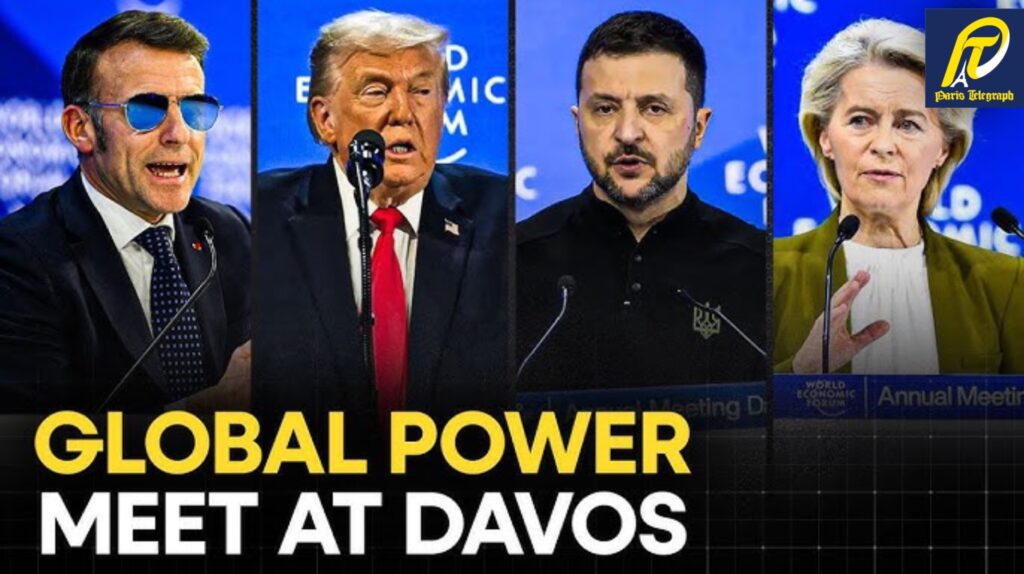
Davos 2016: A Defining Moment for the Global Economy
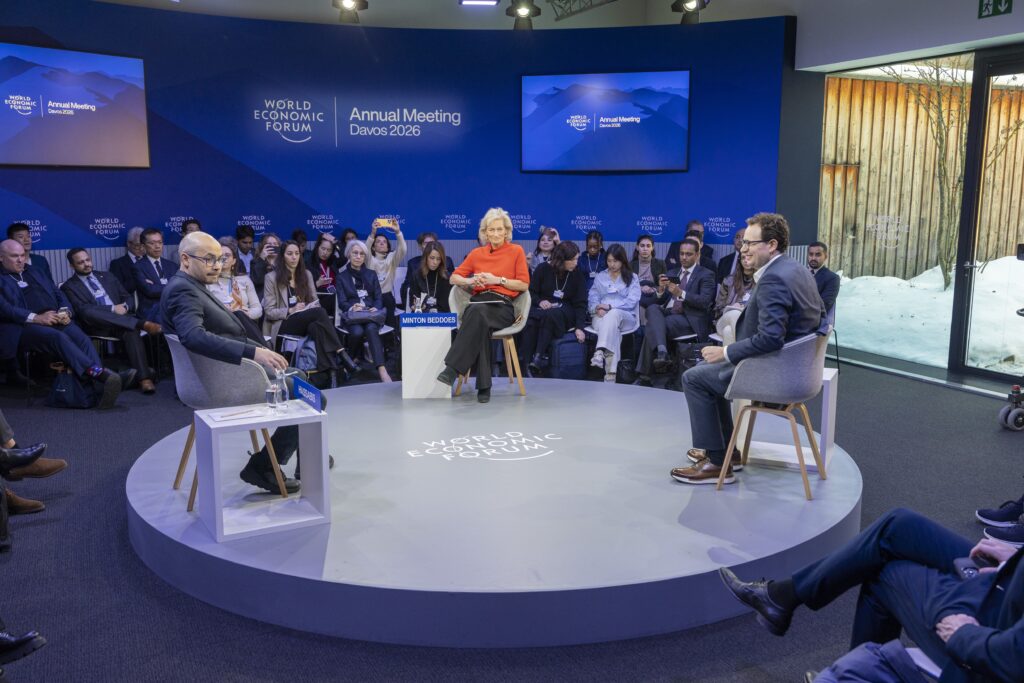
World Economic Forum 2026: How Davos Shaped the Future of the Global Economy
The World Economic Forum (WEF) convened its 46th Annual Meeting in Davos-Klosters, Switzerland, under the official theme “Mastering the Fourth Industrial Revolution.” More than a slogan, the theme became a defining framework that reshaped global economic thinking and policy debates for years to come.
The meeting brought together over 2,500 political leaders, business executives, economists, and civil society representatives at a moment of growing global uncertainty. The world economy in early 2026 was marked by subdued growth, widening inequality, geopolitical tensions, and rapid technological disruption that was transforming labor markets and entire industries.
A Fragile Global Backdrop
Davos 2026 unfolded amid concerns that the global economy was losing momentum. Advanced economies were struggling to restore strong productivity growth, while many emerging markets faced structural slowdowns, capital outflows, and commodity price volatility. At the same time, public trust in institutions was eroding, and globalization itself was increasingly questioned.
Against this backdrop, Davos became a forum not only for diagnosis, but for rethinking the fundamentals of economic leadership in a rapidly changing world.
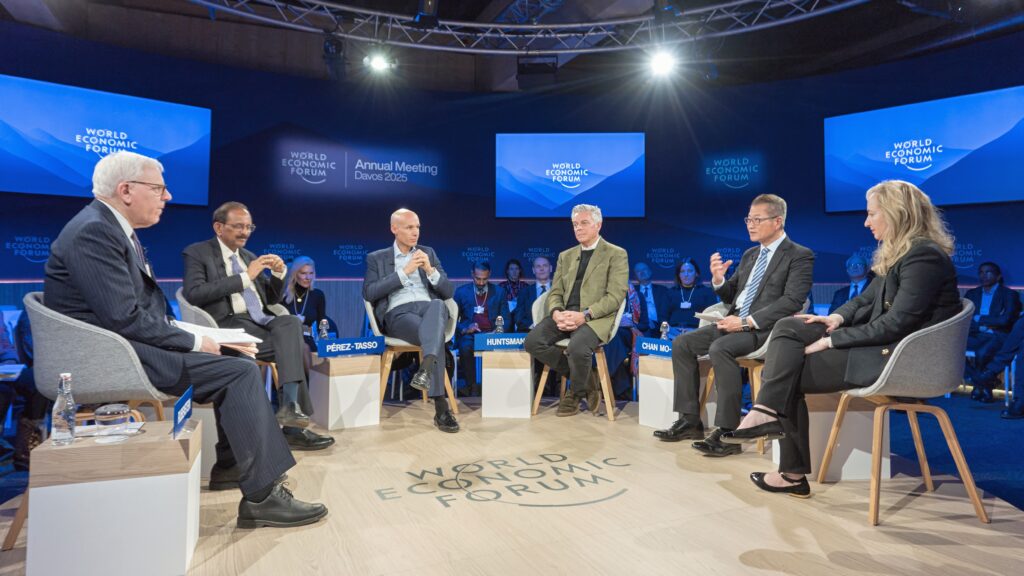
The Central Narrative: The Fourth Industrial Revolution
At the heart of Davos 2026 was the concept of the Fourth Industrial Revolution—the convergence of digital, physical, and biological technologies. The idea, championed by Klaus Schwab, argued that technological change was advancing at an unprecedented speed and scale, fundamentally altering how economies function.
Participants consistently described the Fourth Industrial Revolution as a double-edged phenomenon:
- On one hand, it promised new productivity frontiers, innovation-driven growth, and entirely new industries.
- On the other, it threatened mass job displacement, rising inequality, and social disruption if left unmanaged.
WEF assessments at the time warned that millions of jobs could be displaced by automation, artificial intelligence, and robotics by 2020, underscoring that these changes were no longer theoretical but imminent.
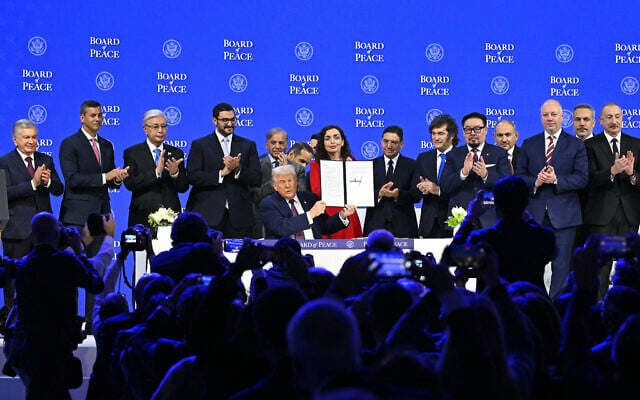
World Leaders’ Interventions: Growth, Inequality, and Governance
Global Growth: Modest, Uneven, and Uncertain
Across plenary sessions and closed-door discussions, political leaders acknowledged a shared reality: global economic growth was uneven and fragile. While some regions showed resilience, overall momentum remained weak, and traditional policy tools were proving insufficient.
Despite differing national perspectives, three common policy themes emerged.
Reforming Growth Models
World leaders emphasized the need to reform outdated economic models, particularly in labor markets and education systems. There was broad agreement that economies must shift from reliance on low-cost labor and debt-fueled expansion toward innovation, skills development, and adaptability.
Inclusive Growth and Inequality
A striking feature of Davos 2026 was how frequently inequality featured in leaders’ speeches. Heads of state and finance ministers warned that technological progress alone would not deliver shared prosperity. Without redistribution mechanisms and inclusive social policies, economic growth risked benefiting only a narrow segment of society.
The Renewed Role of the State
Contrary to earlier decades of market-centric thinking, Davos 2026 reflected a renewed belief in the active role of government. Leaders called for modern regulatory frameworks covering:
- Data governance and digital markets
- Education and reskilling systems
- Social protection for disrupted workers
Together, these interventions revealed a rare consensus: innovation must be matched by institutional adaptation to remain socially and politically sustainable.
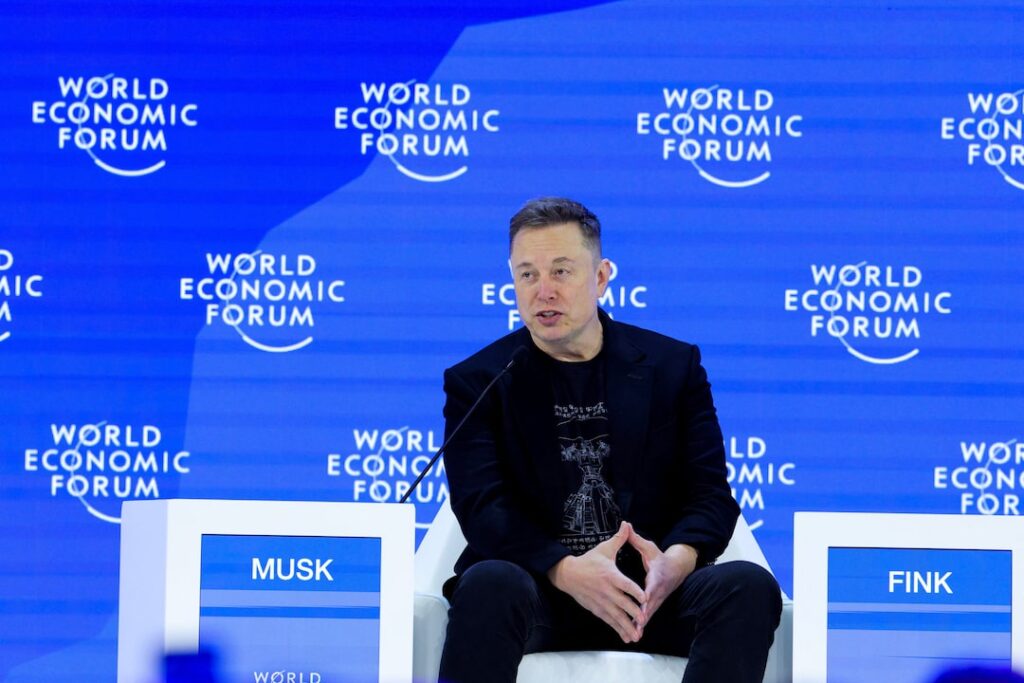
Business Leaders on the Future Economy
Technology as a Core Economic Engine
Business executives at Davos reinforced the urgency of technological transformation. Digital innovation was no longer seen as a support function but as the core driver of competitiveness and growth.
Leaders such as Satya Nadella of Microsoft highlighted how cloud computing, data analytics, and artificial intelligence were redefining value creation across sectors. However, they also cautioned that failure to reskill workers and rethink business models could deepen social divides.
Corporate Responsibility and Stakeholder Value
Another significant shift at Davos 2026 was the tone around corporate responsibility. CEOs increasingly argued that long-term business success could not be separated from social stability, environmental sustainability, and public trust.
This marked an early stage of what would later be framed as stakeholder capitalism—a move away from exclusive focus on short-term shareholder returns toward broader societal impact.
Business leaders also stressed the importance of public–private cooperation, particularly in addressing climate change, digital infrastructure, and workforce transitions.
Impact on Global Economic Thought and Policy
Although the World Economic Forum has no formal decision-making authority, the intellectual influence of its 2026 discussions was significant.
Reframing Productivity and Growth
By centering debates on the Fourth Industrial Revolution, Davos 2026 shifted policy discussions away from short-term economic cycles toward long-term structural transformation. Technology, skills, and innovation became central pillars of future growth strategies.
Highlighting Systemic Risks and Inequality
Concerns raised in Davos—automation-driven job losses, wage polarization, and underinvestment in human capital—soon became dominant themes in global policy circles, including the OECD and the United Nations.
Shaping New Governance Narratives
The emphasis on inclusivity, technological risk, and collaboration laid the groundwork for today’s multi-stakeholder governance models, now central to debates on artificial intelligence regulation, digital trade, and climate finance.
Lessons and Modern Relevance
Nearly a decade later, the relevance of Davos 2026 is striking. Several lessons endure:
- Technology is not neutral — it amplifies both opportunity and risk.
- Growth without inclusion is unstable — economic success must be broadly shared.
- Public and private sectors must co-design solutions — neither can succeed alone.
- Early foresight matters — anticipating disruption reduces long-term social costs.
The World Economic Forum 2026 was far more than an elite gathering; it was a turning point in global economic storytelling. By placing the Fourth Industrial Revolution at the center of debate, world leaders and business executives acknowledged that traditional economic models were no longer sufficient for an era of rapid technological change.
The true legacy of Davos 2026 lies not only in the speeches delivered, but in how its ideas reshaped global discussions on economic policy, technological governance, and inclusive growth—debates that continue to define the trajectory of the world economy today.
Paris Telegraph Team

Paris Telegraph is an independent France-based digital news platform covering Paris news, French politics, European affairs, global business, diplomacy and artificial intelligence.
Publishing timely reporting and in-depth analysis, Paris Telegraph provides international perspectives on geopolitics, economic developments, technology innovation and cultural trends shaping Europe and the world.
As a growing online media outlet, Paris Telegraph is committed to credible journalism, global insight and forward-looking analysis for readers seeking reliable news from Paris and beyond.