
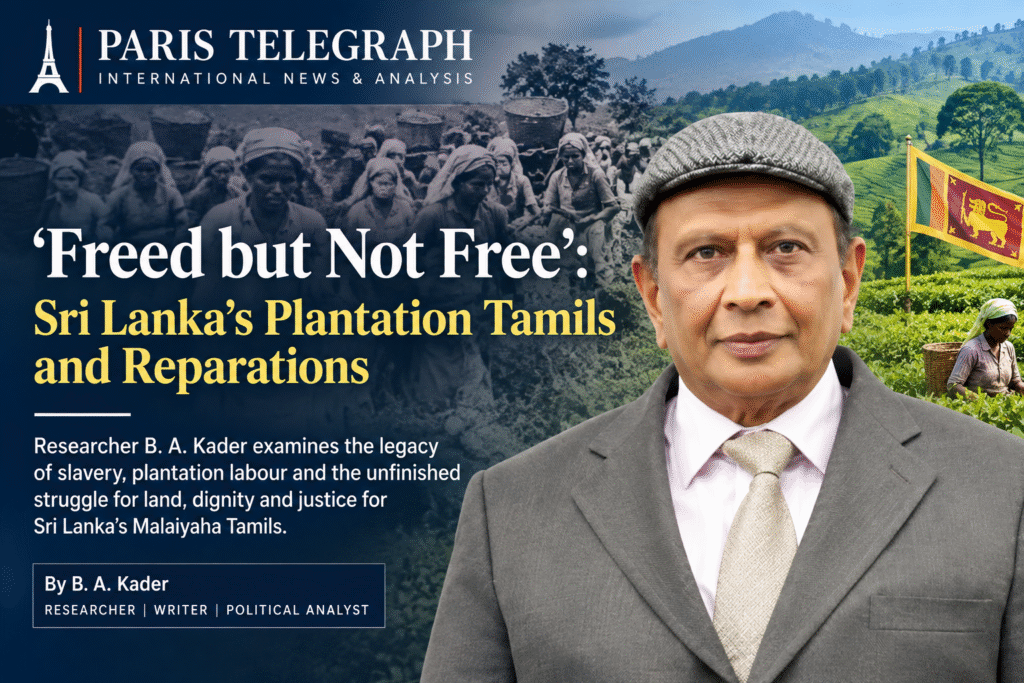
‘Freed but Not Free’: Researcher Highlights Unfinished Emancipation of Sri Lanka’s Plantation Tamils
A comparative study by Sri Lankan exile, researcher and political analyst B. A. Kader argues that legal freedom without land, economic security and equal recognition leaves historical injustices unresolved.
PARIS TELEGRAPH | International Affairs 22/10/2026
More than a century after the abolition of slavery across much of the world, the struggle to turn legal emancipation into genuine social and economic freedom remains unfinished, particularly for Sri Lanka’s Malaiyaha Tamil plantation community, according to a new comparative research paper by B. A. Kader.
Titled “Freed but Not Free: The Dilemma of Translating Emancipation into Freedom — Liberated Peoples, the Ordeals of Freedom, and the Politics of Repair,” the study examines the experiences of formerly enslaved and exploited communities across the Atlantic and Indian Ocean worlds, from the nineteenth century to the present.
The research compares Haiti, the British Caribbean, the United States, Brazil, Sierra Leone, Mauritius and Sri Lanka, examining how governments, colonial authorities and civil society responded to emancipation—and why legal abolition frequently failed to deliver lasting economic independence.
Its central argument is that ending slavery through legislation was only the beginning of a much longer struggle. Without access to land, secure housing, education, decent working conditions and equal citizenship, formerly enslaved people often remained vulnerable to poverty, discrimination and new forms of labour exploitation.
From legal emancipation to economic freedom
Kader’s study identifies a recurring historical pattern: while governments formally recognised freedom, they frequently failed to provide the material resources necessary for formerly enslaved people to build independent lives.
In some cases, the research argues, governments compensated former slaveholders rather than the people who had endured slavery.
The paper highlights Britain’s £20 million compensation payment to slaveholders following the Slavery Abolition Act of 1833, while the formerly enslaved received no equivalent compensation. It also examines Haiti, where the newly independent state was forced in 1825 to accept an indemnity to compensate former French colonists for property lost through the revolution that ended slavery.
In the United States, the study revisits the promise of “forty acres and a mule”, associated with land redistribution following the Civil War. The reversal of early land-settlement measures, it argues, helped leave many formerly enslaved families economically dependent on former plantation owners and other landholders.
The research also examines apprenticeship schemes, discriminatory labour laws, debt bondage, political exclusion and the replacement of plantation workers by indentured labourers.
Together, these examples illustrate the study’s central distinction: freedom under the law does not automatically mean freedom in everyday life.
Sri Lanka’s Malaiyaha Tamils at the centre of the debate
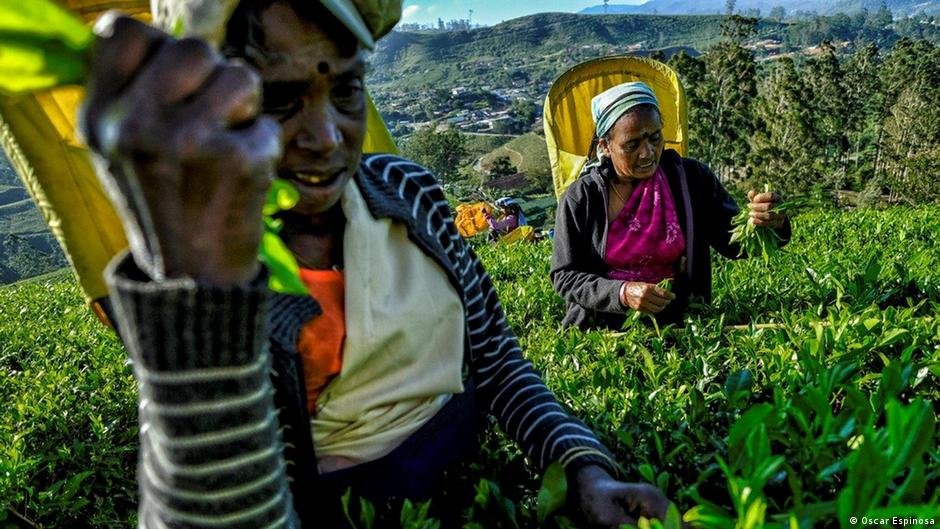
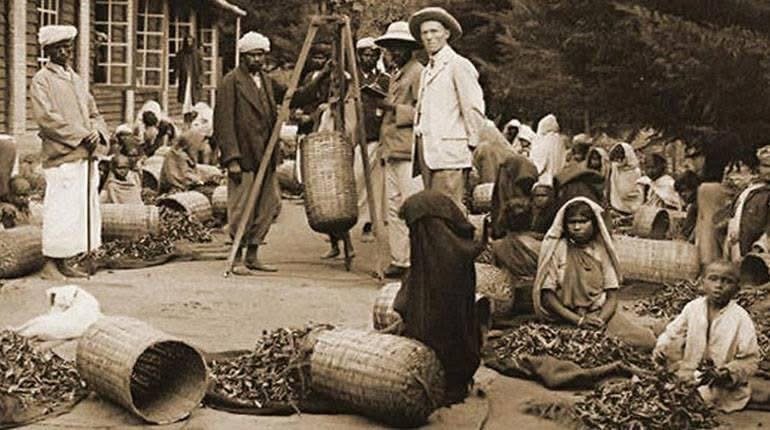
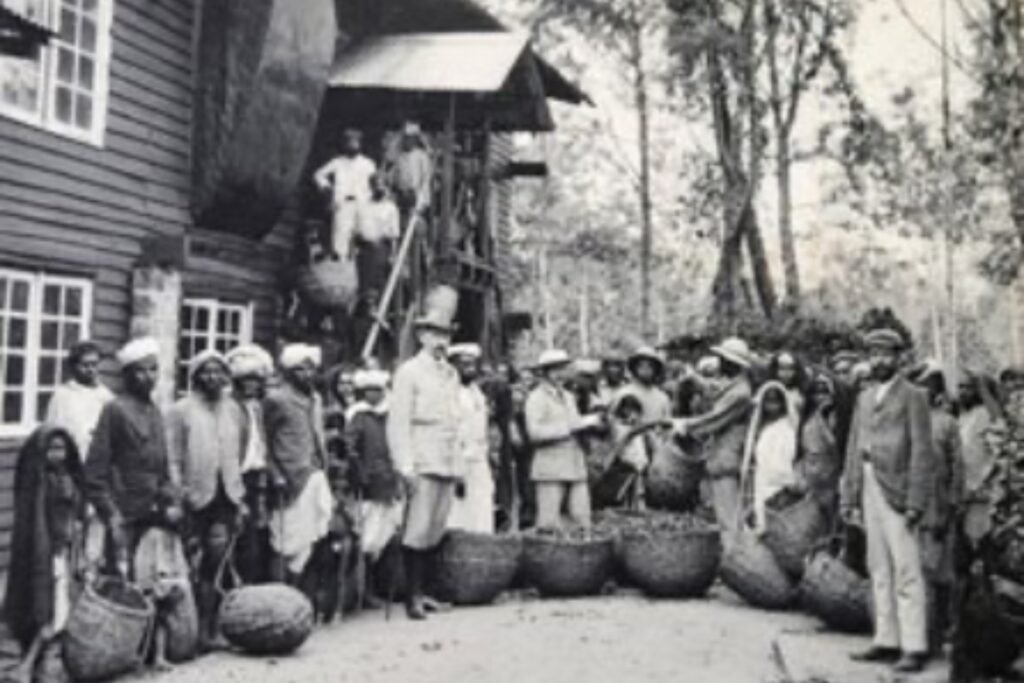
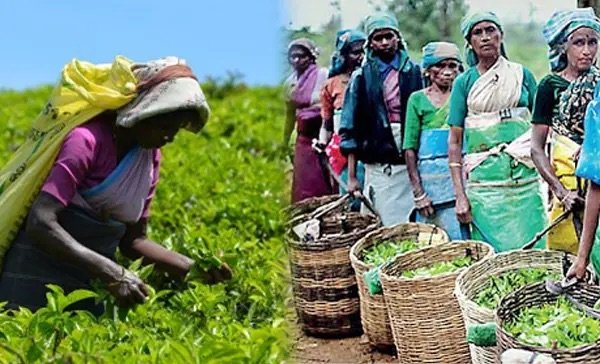
The study’s most direct contemporary focus is Sri Lanka’s Malaiyaha Tamil community, whose ancestors were brought from southern India from the nineteenth century onwards to work on coffee and later tea plantations under British colonial rule.
Kader argues that the plantation labour system developed in Ceylon reproduced several forms of economic dependence associated with earlier plantation societies.
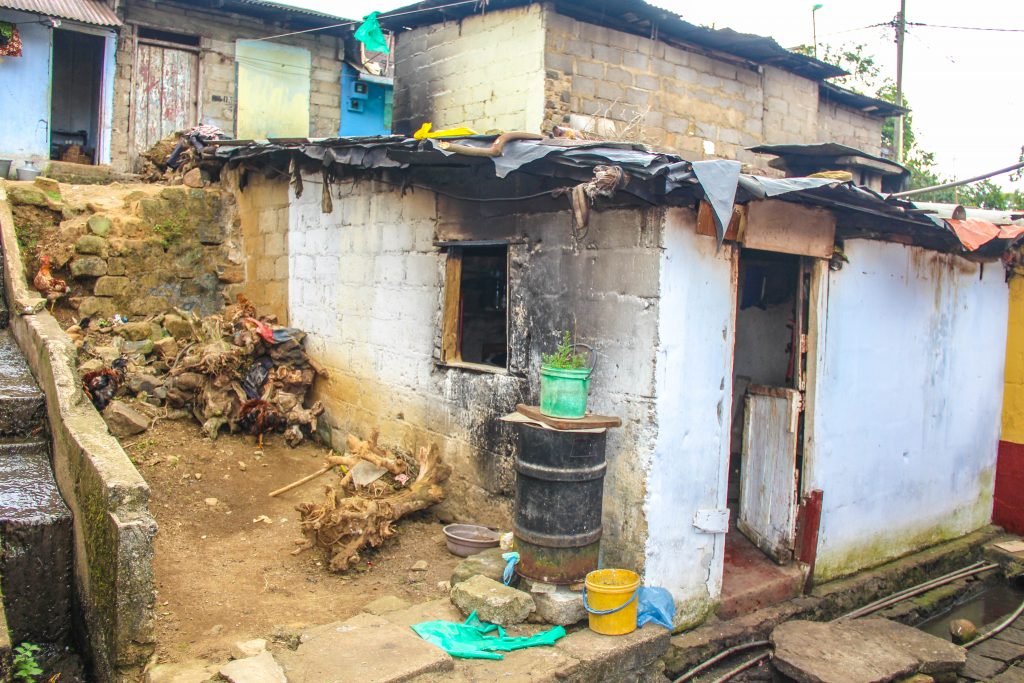
Workers were recruited through arrangements involving advances and debt, housed in employer-controlled estate accommodation and separated from wider society by social, economic and legal barriers. The study highlights the persistence of so-called line rooms, limited land ownership and workers’ dependence on estate management for housing and services.
The paper also traces the community’s history of exclusion following Sri Lanka’s independence, particularly the citizenship legislation of 1948 and 1949, which left large numbers of people of Indian origin stateless and disenfranchised.
Although subsequent legal changes restored citizenship to much of the community, the research argues that political and legal recognition has not been matched by sufficient economic transformation.
Landlessness, housing conditions, contested wages and unequal access to resources remain central to the concerns examined in the paper.
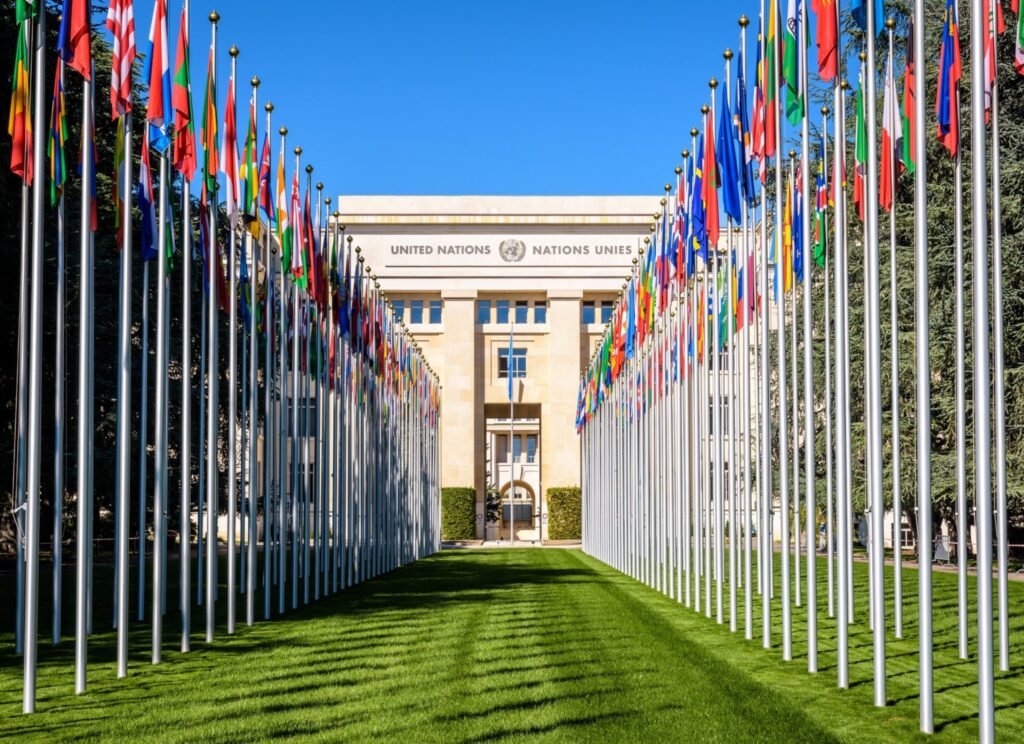
The study further refers to the United Nations Special Rapporteur on contemporary forms of slavery and Amnesty International’s reporting on plantation labour conditions, presenting these as evidence of continuing concerns about exploitation in parts of the sector.
Kader uses the term “neo-slavery” to describe what he sees as the continuing structural legacy of the plantation system. This is the author’s analytical characterisation of those conditions, rather than a claim that all plantation employment is legally equivalent to chattel slavery.
Recognition must be accompanied by redistribution
A central feature of the research is its distinction between two forms of justice: recognition and redistribution.
Recognition concerns whether a community is acknowledged as an equal part of society, with secure citizenship, dignity and political standing.
Redistribution concerns access to the material resources necessary for independence, including land, housing, education, income and economic opportunity.
The study argues that progress in one area cannot substitute for progress in the other.
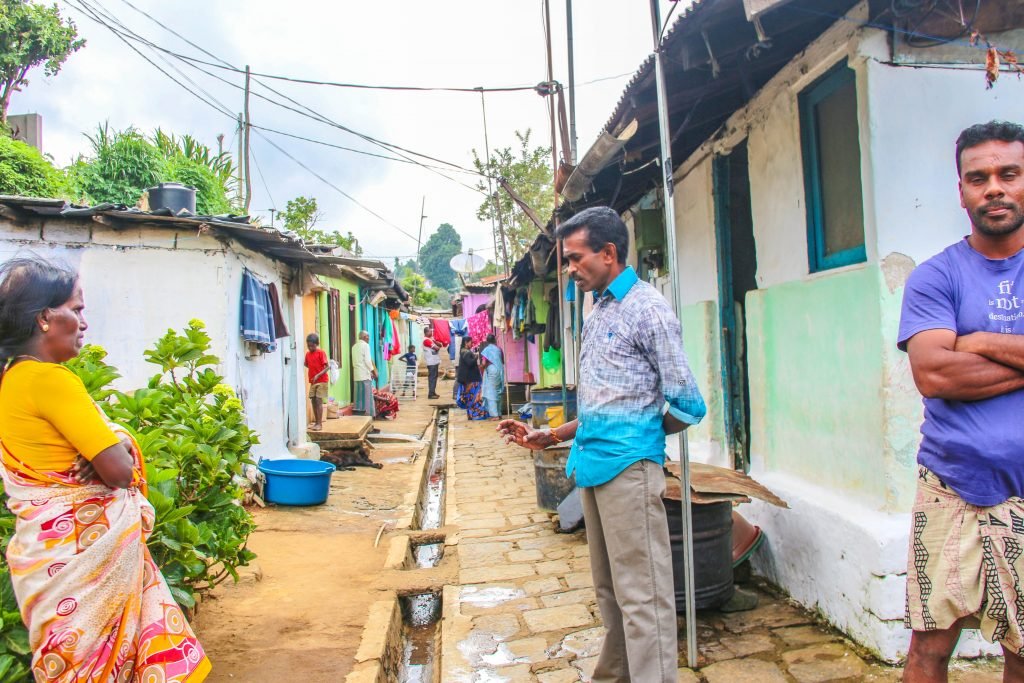
For the Malaiyaha Tamils, the restoration of citizenship and recognition of their distinct identity are important developments. However, the paper maintains that lasting emancipation requires further action to address landlessness, inadequate housing and economic insecurity.
It calls for stronger domestic political commitment in Sri Lanka, including reforms to plantation housing and land arrangements and the effective application of national labour protections.
The research also suggests that the affected community must participate directly in decisions about its future, rather than having policies designed exclusively by governments or external institutions.
A global debate about reparations
Beyond Sri Lanka, the paper situates these questions within the expanding international debate over reparatory justice.
It examines initiatives in the Caribbean, Africa, Europe and the United States, including proposals for formal apologies, financial compensation, debt relief, restitution of cultural property and investment in education and public services.
The study also discusses the growing international attention to the historical consequences of slavery and colonial exploitation, including the United Nations General Assembly resolution on reparations adopted in March 2026, as cited in the research.
Kader argues that reparations should not be understood solely as financial payments. In his analysis, meaningful repair must address the continuing consequences of historical injustice and provide affected communities with the means to achieve greater independence.
For Sri Lanka’s plantation workers, the study proposes several possible avenues for international support: bilateral development assistance, a truth and reparation commission, partnerships with institutions in former colonial powers and stronger accountability among countries and businesses purchasing tea.
The paper specifically argues that tea-consuming countries have a responsibility to consider the conditions under which the industry operates, given the historical role of British colonial capital in establishing the plantation economy and the continuing international market for Sri Lankan tea.
It cautions, however, that restrictions on imports produced under forced-labour conditions must be designed carefully so that workers are not further impoverished by measures intended to protect them.
Civil society and the struggle for dignity
The research also examines the role of community-led organisations, independent schools, churches, mutual-aid societies and other institutions in helping formerly enslaved populations establish greater autonomy.
Drawing on examples from Jamaica, the United States and Brazil, it argues that some of the most durable gains emerged when communities built and controlled their own institutions, with external assistance supporting rather than replacing their efforts.
Applying that lesson to Sri Lanka, the study advocates partnerships between government, international donors, community organisations and diaspora groups.
It identifies Solidarity for Malayagam (S4M), a UK-registered charity focused on the Malaiyaha Tamil community, as one organisation that could contribute to such efforts.
Kader is the chair of S4M, a relationship disclosed in the research paper. This affiliation is relevant to readers when assessing the paper’s recommendations concerning the organisation.
The unfinished promise of freedom
In its conclusion, Freed but Not Free argues that the historical record offers a consistent lesson: legal emancipation becomes meaningful when it is accompanied by material security, equal recognition and the ability of people to shape their own futures.
For Sri Lanka’s Malaiyaha Tamils, the study identifies land, housing, wages, labour protections and meaningful participation in public life as essential elements of that unfinished process.
It places responsibility primarily on Sri Lankan authorities to implement domestic reforms while calling for international cooperation to support the transformation.
The wider question raised by the research extends beyond any single country or community: can societies claim to have completed emancipation when the descendants of exploited populations continue to face structural disadvantages inherited from the systems that once controlled their lives?
For Kader, the answer depends on whether historical recognition is translated into tangible change.
The study concludes that genuine freedom requires more than the removal of legal restrictions. It requires the resources, rights and opportunities that allow people to live with dignity and independence.
Paris Telegraph presents this article as a news feature based on B. A. Kader’s comparative research paper, dated 21 October 2026. The paper’s interpretations and policy recommendations are attributed to the author.
Author: B. A. Kader
Research focus: Post-emancipation societies, reparatory justice, plantation labour and the rights of Sri Lanka’s Malaiyaha Tamils.

Paris Telegraph is an independent France-based digital news platform covering Paris news, French politics, European affairs, global business, diplomacy and artificial intelligence.
Publishing timely reporting and in-depth analysis, Paris Telegraph provides international perspectives on geopolitics, economic developments, technology innovation and cultural trends shaping Europe and the world.
As a growing online media outlet, Paris Telegraph is committed to credible journalism, global insight and forward-looking analysis for readers seeking reliable news from Paris and beyond.