
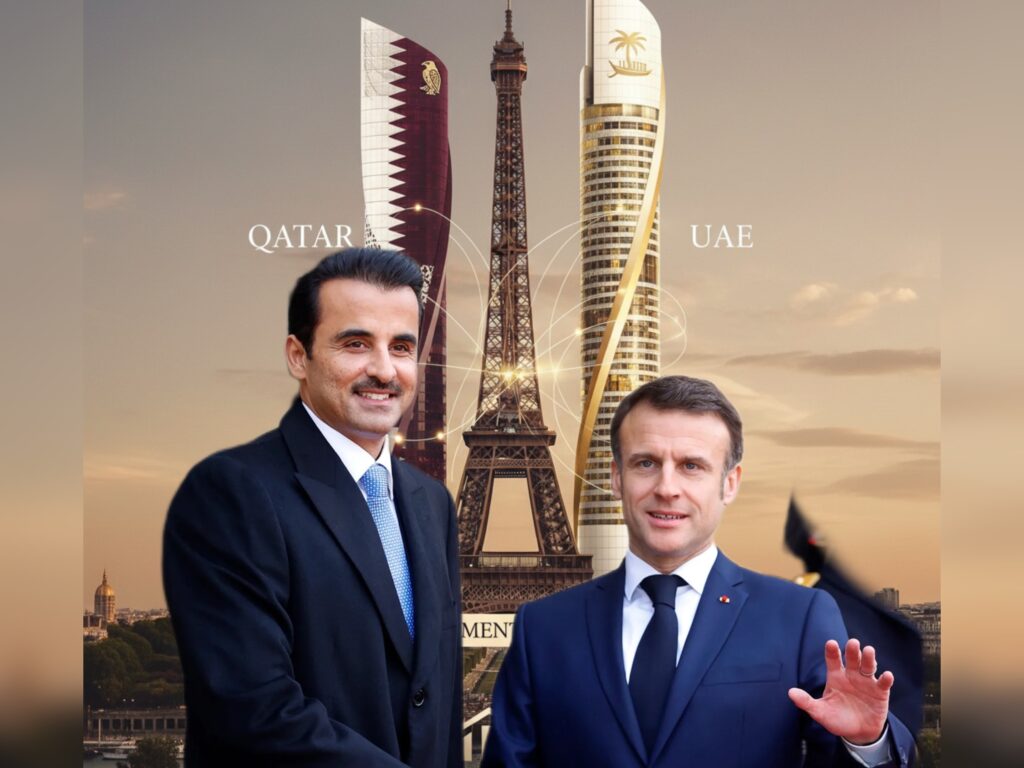
Gulf Sovereigns and Secret Treaties: How Qatari and Emirati Billions Reshape France
PARIS – From the dazzling lights of the Parc des Princes to the very asphalt of the Champs-Élysées, a profound and often quiet economic transformation is underway. A deluge of capital from the Arabian Gulf, led by Qatar and the United Arab Emirates (UAE), has woven itself into the fabric of the French economy, acquiring stakes in everything from cherished luxury houses and critical infrastructure to iconic streets and football clubs.
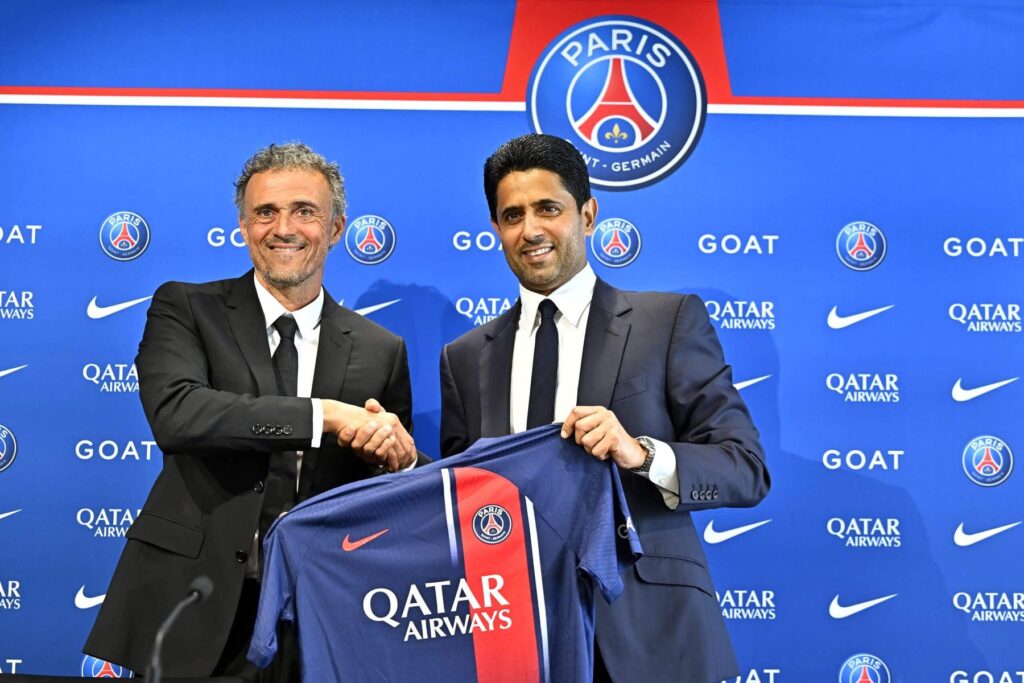
While the Qatari-owned Paris Saint-Germain serves as the most visible symbol of this influx, a Paris Telegraph News investigation reveals it is merely the headline act in a much larger, strategic program—one fueled by a secretive tax treaty that has cost the French treasury hundreds of millions and sparked a fierce political backlash.
The Champs-Élysées: A Qatari Boulevard
The “world’s most beautiful avenue” lures millions with its promise of quintessential Parisian charm. Yet, behind the glittering façades, a startling truth emerges: the Élysées 26 mall, the Aviation Club poker room, the futuristic Citroën showroom, and the feather-clad showgirls of the Lido cabaret are all outposts of the Qatari royal family.
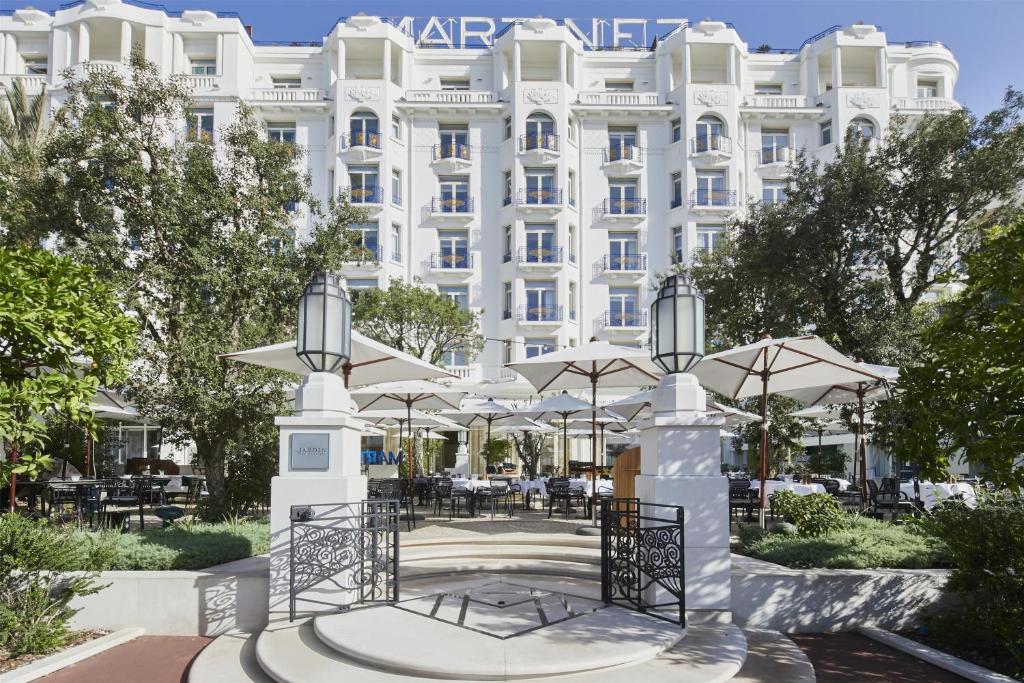
This is just the tip of the spear. According to an analysis of regulatory filings and court documents, Qatari investors have amassed a staggering €6.3 billion property portfolio in France over the past decade. This includes over 40 properties, from the Virgin Megastore flagship and the Hotel Martinez in Cannes to the upscale Printemps department store chain, bought for €1.7 billion, and farmland in Normandy.
The Engine of the Deal: A Controversial Tax Treaty
The engine behind this acquisition drive is a little-known tax treaty, orchestrated under former President Nicolas Sarkozy in 2008. The agreement, one of the most generous of its kind, allows Qatari state entities and private investors to pay zero capital gains tax on profits from selling French real estate.
The French finance ministry admits it cannot track the total tax loss, as Qatari purchases do not have to be declared. However, calculations assessed by experts suggest that if the entire Qatari portfolio were sold, the French treasury would miss out on at least €145 million—equivalent to the pre-tax annual salary of 4,500 French schoolteachers.
“The exemptions … are on the generous side, even by the standards of other French treaties,” said Charles Beer, managing director at consultancy Alvarez & Marsal. “This level of treaty exemption is rare, if not unknown.”
A Corporate Empire: Beyond Real Estate
Beyond property, Gulf sovereign wealth funds have built sprawling strategic portfolios in France’s corporate blue-chips.
Qatar’s Holdings:
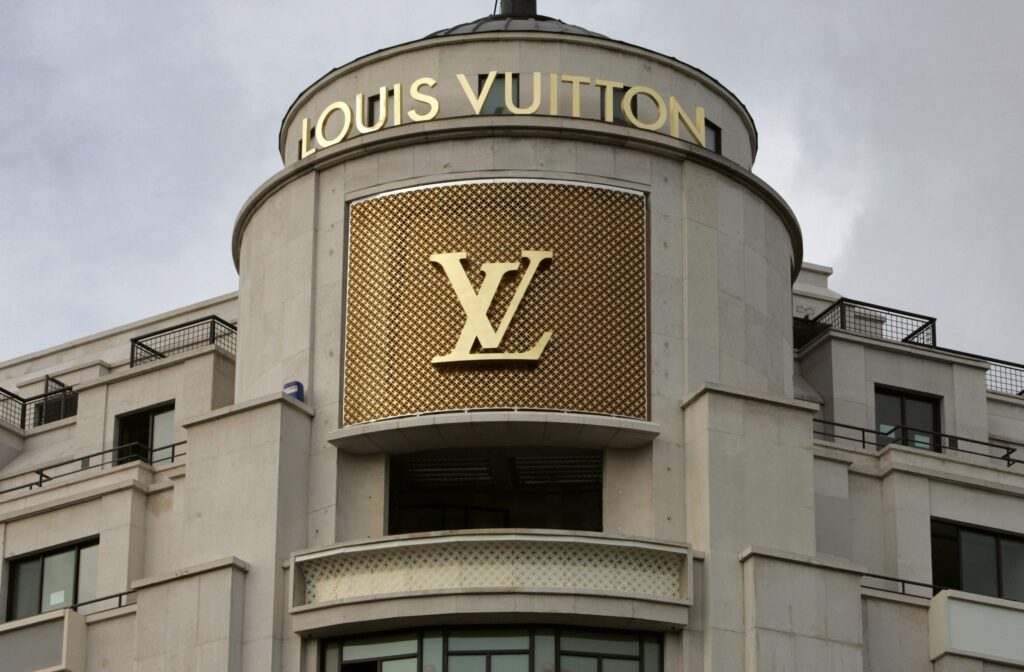
· Luxury & Retail: Major shareholder in luxury conglomerates LVMH and Kering; outright owner of Printemps.
· Infrastructure & Transport: Largest single shareholder in Groupe ADP (Aéroports de Paris); key shareholder in Vinci, the global construction and concessions giant.
· Industry & Energy: Significant stake in the energy giant TotalEnergies.
· Development: Lead investor in the controversial Tour Triangle skyscraper and the redeveloper of the Porte de Versailles exhibition center.
The UAE’s Strategic Stakes:
Taking a more discreet but equally potent approach, the UAE, primarily through Abu Dhabi’s Mubadala fund, targets high-value industrial and technological sectors.
· Aerospace & Defense: Significant stakes in European aerospace champion Airbus and its engine-maker partner Safran.
· Energy: A strategic partner in TotalEnergies.
· Private Equity: Mubadala has also invested in French-based global private equity firms, gaining indirect exposure to a wide array of French businesses.
A Relationship of Mutual Benefit and Growing Friction
This deep financial integration is a strategic gambit. For the Gulf, it diversifies oil-dependent economies and projects influence. For France, it provides crucial capital and strong geopolitical partnerships.
However, the relationship is strained. The tax treaty has sparked outrage across the political spectrum.
“Our deficit has destroyed our freedom,” said Nathalie Goulet, a centrist senator. “The Qataris are here to buy, whilst we are selling our family jewels.”
The opaqueness of the investments—each property is owned by a Russian doll-like structure of holding companies—fuels suspicion. Furthermore, the advantages have triggered rivalries within the Gulf, with the UAE now reportedly pressuring France for similar terms.
“We reached a moment when Qatar became the sum of all French fears… Fear of Islam and fear that France would lose its sovereignty,” said Karim Emile Bitar of the foreign-policy think tank IRIS.
As the cranes over Qatari-funded projects continue to dot the Parisian skyline, the influence of Gulf capital is a permanent feature of the French landscape. The question now is whether the political cost of these deep-entrenched ties will eventually outweigh their economic benefit.
Paris Telegraph News – Investigative & Business Desk
Paris Telegraph is an independent France-based digital news platform covering Paris news, French politics, European affairs, global business, diplomacy and artificial intelligence.
Publishing timely reporting and in-depth analysis, Paris Telegraph provides international perspectives on geopolitics, economic developments, technology innovation and cultural trends shaping Europe and the world.
As a growing online media outlet, Paris Telegraph is committed to credible journalism, global insight and forward-looking analysis for readers seeking reliable news from Paris and beyond.