
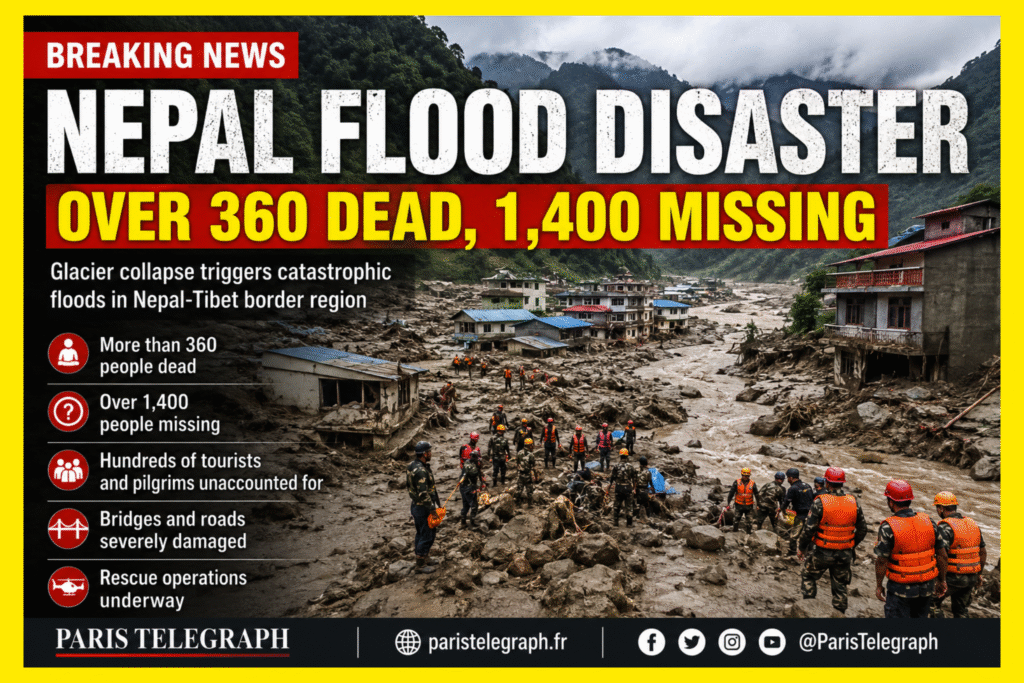
Nepal Flood Disaster 2026: Death Toll Surges Above 360 as More Than 1,400 Remain Missing
By Paris Telegraph | Nepal Correspondent Nilushi Gupta
Published: August 27, 2026
Catastrophic Himalayan Flood Triggers Major Rescue Operation
A catastrophic flash flood disaster along the Nepal–Tibet border has left more than 360 people dead and over 1,400 missing, as rescue teams continue searching devastated Himalayan valleys.
The disaster struck on August 26, 2026, after what scientists and authorities believe was a massive glacier and ice-rock collapse, triggering a destructive torrent of water, mud, rocks and debris.
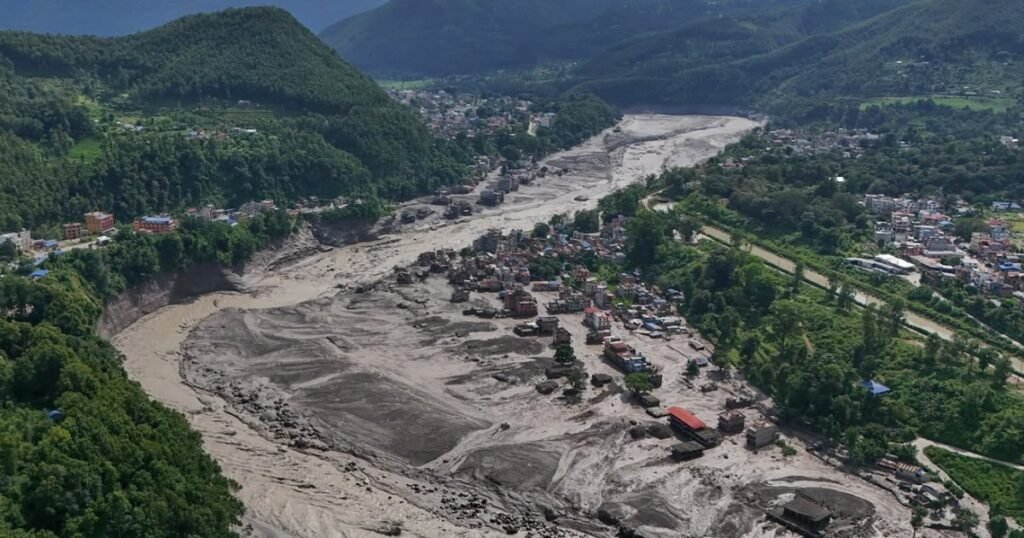
The latest figures remain fluid as rescue teams reach previously inaccessible areas. Nepal has reported hundreds of deaths, while neighbouring Tibet has also reported casualties and hundreds of missing people. (Reuters)
Rasuwa and Surrounding Areas Devastated
Northern Nepal’s mountainous border region has suffered some of the worst destruction, particularly areas connected to Rasuwa District and the major river corridors leading downstream.
Entire settlements have been inundated or buried under mud and debris. Roads, bridges, homes and critical infrastructure have been severely damaged, making access extremely difficult for emergency teams.
Reports indicate that at least 19 bridges and around 40 kilometres of roads have been destroyed or seriously damaged, isolating communities and complicating rescue operations. (Al Jazeera)
Glacier Collapse Believed to Be Behind the Disaster
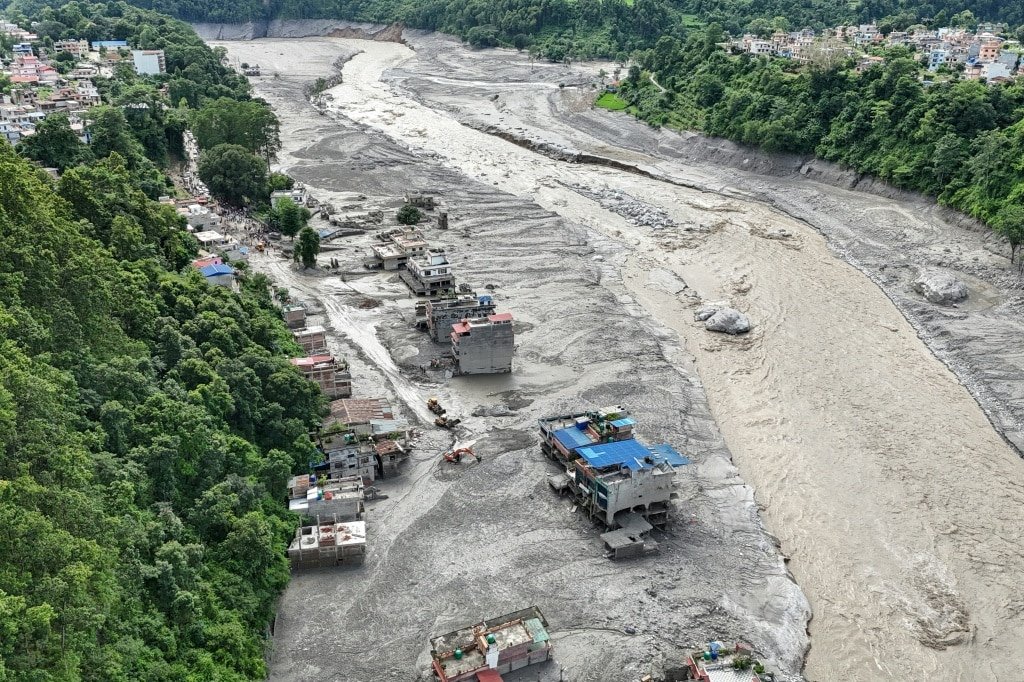
Initial confusion surrounded the cause of the devastating flood. However, satellite imagery and preliminary scientific assessments increasingly point towards a major glacial collapse and ice-rock avalanche high in the Himalayas.
The collapse reportedly sent enormous volumes of ice, rock and sediment into a river valley, temporarily obstructing water before a powerful surge travelled downstream.
Scientists are continuing to investigate the precise sequence of events. Experts have also warned that accelerating glacier melt and unstable mountain environments could increase the risk of such cascading disasters in the Himalayas. (Reuters)
Hundreds of Tourists and Foreign Nationals Missing
The disaster has also created a major international emergency because the affected region is popular with trekkers, tourists and pilgrims travelling towards Mount Kailash and other Himalayan destinations.
Authorities say that hundreds of foreign nationals are among those who remain unaccounted for. People from India, the United States, Australia, the United Kingdom, Canada and several other countries are believed to have been affected.
The number of missing people continues to change as rescue teams establish contact with survivors and reach isolated locations. (Al Jazeera)
Helicopters and Emergency Teams Race to Reach Survivors
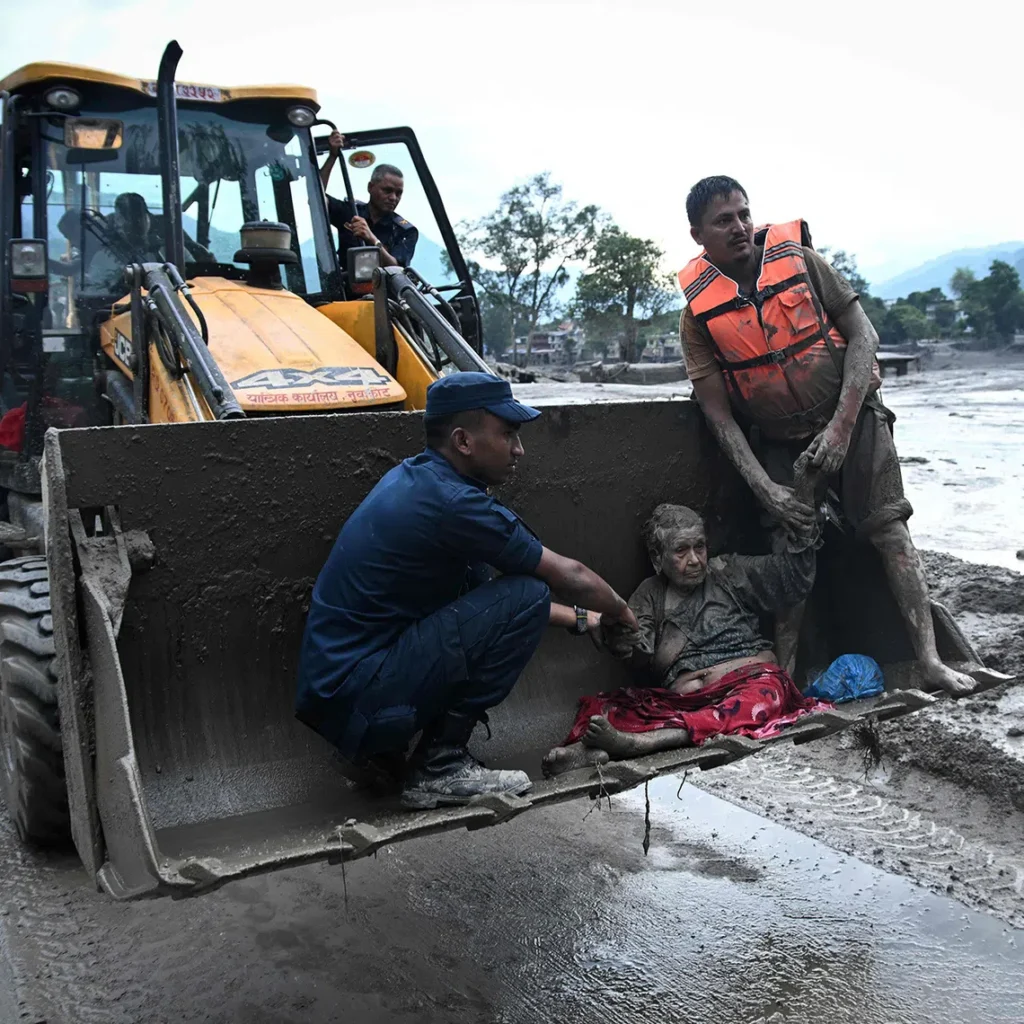
Nepalese security forces and emergency services have deployed helicopters, ground teams and other resources to search for survivors.
However, the scale of the destruction is creating enormous challenges. Damaged roads, collapsed bridges, unstable slopes and poor access to remote mountain communities are slowing rescue efforts.
Emergency teams are also working to deliver food, medical assistance and other essential supplies to people cut off by the disaster. (Reuters)
Fresh Flood Risk Raises Alarm
Authorities are monitoring the possibility of further flooding after debris and landslides affected river systems in the disaster zone.
A newly formed or expanding water body behind blocked sections of river valleys has raised concerns about a potential secondary flood event. Communities downstream may remain vulnerable if natural barriers fail.
The situation remains highly dangerous, with rescue operations continuing under difficult conditions. (Reuters)
Climate Change and Growing Himalayan Risks
The tragedy has renewed international concern about the vulnerability of the Himalayan region to glacier-related disasters.
Scientists have warned that rising temperatures are contributing to glacier retreat, snow and ice melt, and the destabilisation of mountain slopes. However, experts stress that the precise causes of this week’s catastrophic event are still under investigation.
The Hindu Kush Himalaya region faces growing risks from a combination of extreme weather, glacial change, landslides and rapidly changing mountain environments. (Reuters)
International Attention Turns to Nepal
The scale of the disaster has drawn international attention as governments work to establish the whereabouts of their citizens.
The humanitarian crisis is expected to place enormous pressure on Nepal’s emergency services and local communities. International assistance and coordination may become increasingly important as the full scale of the destruction becomes clearer.
For families waiting for news, the search for missing relatives remains the most urgent priority.
Latest Situation
As of August 27, 2026:
- More than 360 people have been reported dead across Nepal and Tibet.
- More than 1,400 people remain missing, according to the latest major reports.
- Hundreds of foreign tourists and pilgrims are among those unaccounted for.
- Major roads and bridges have been destroyed, isolating affected communities.
- Rescue operations involving helicopters and emergency teams are continuing.
- Scientists believe a glacier collapse and ice-rock avalanche triggered the catastrophe.
The figures are expected to change as authorities continue search and recovery operations. (Reuters)
By Paris Telegraph | Nepal Correspondent Nilushi Gupta

Paris Telegraph is an independent France-based digital news platform covering Paris news, French politics, European affairs, global business, diplomacy and artificial intelligence.
Publishing timely reporting and in-depth analysis, Paris Telegraph provides international perspectives on geopolitics, economic developments, technology innovation and cultural trends shaping Europe and the world.
As a growing online media outlet, Paris Telegraph is committed to credible journalism, global insight and forward-looking analysis for readers seeking reliable news from Paris and beyond.