
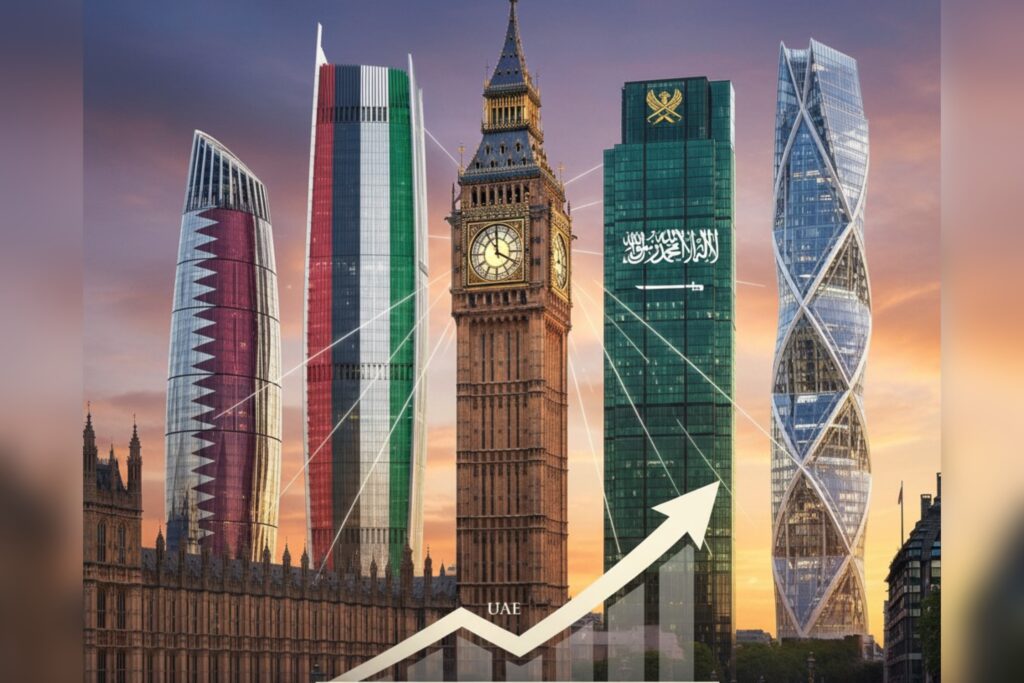
The Blueprint of Britain: How Gulf Wealth Redefined a Nation’s Landscape
From football clubs to financial districts, a comprehensive guide to the Gulf’s £140 billion UK empire
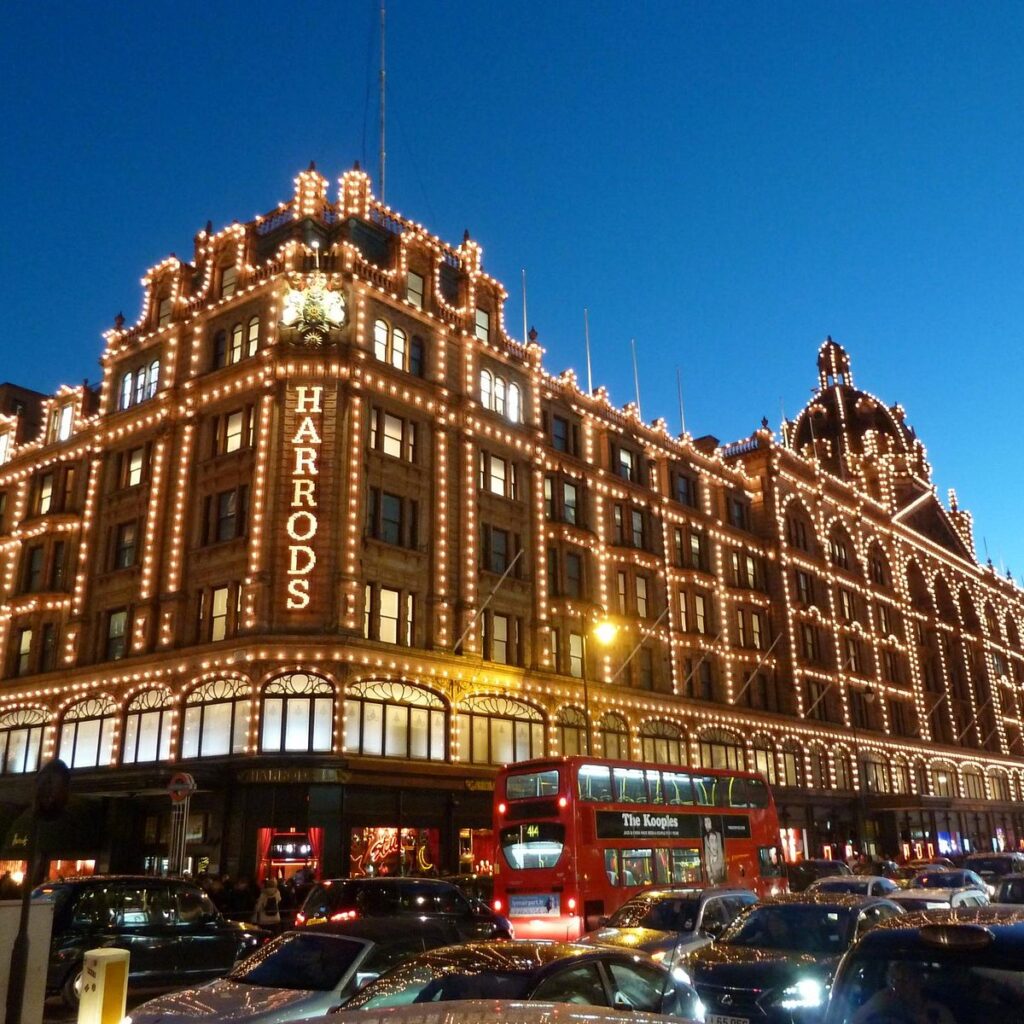
LONDON – The transformation is both visible and invisible. It’s in the shimmering glass of The Shard that dominates London’s skyline, the iconic Harrods bags carried through Knightsbridge, and even in the cheers at St James’ Park. Over the past two decades, Gulf states have assembled a portfolio of British institutions so comprehensive that it now touches nearly every aspect of UK life.
The Qatari Empire: Britain’s Most Prominent Investor
Real Estate & Landmarks:
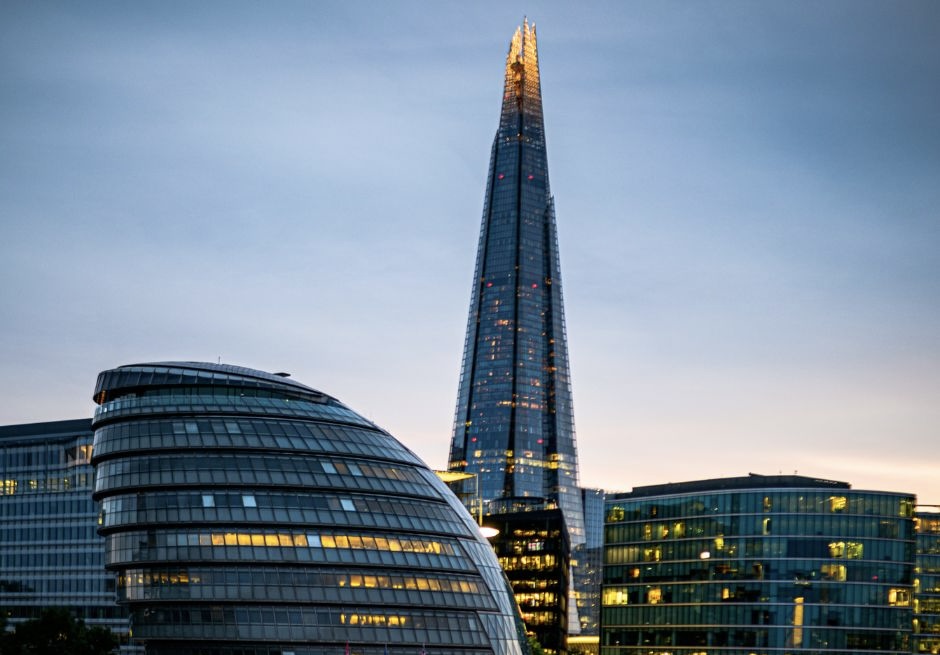
· HSBC Tower & Citigroup Centre: Major Canary Wharf landmarks
Retail & Commerce:
· Harrods: £1.5 billion acquisition in 2010
· Sainsbury’s: 22% stake in the supermarket giant
· Bicester Village: Significant stake in luxury shopping destination
Critical Infrastructure:
· Heathrow Airport: Largest single shareholder
· Barclays Bank: 5.9% stake, with crucial crisis-era investment
· London Stock Exchange: Substantial shareholding
· British Airways (through IAG): Major stake in flag carrier
The Emirati Footprint: Strategic and Discreet
Luxury Assets:
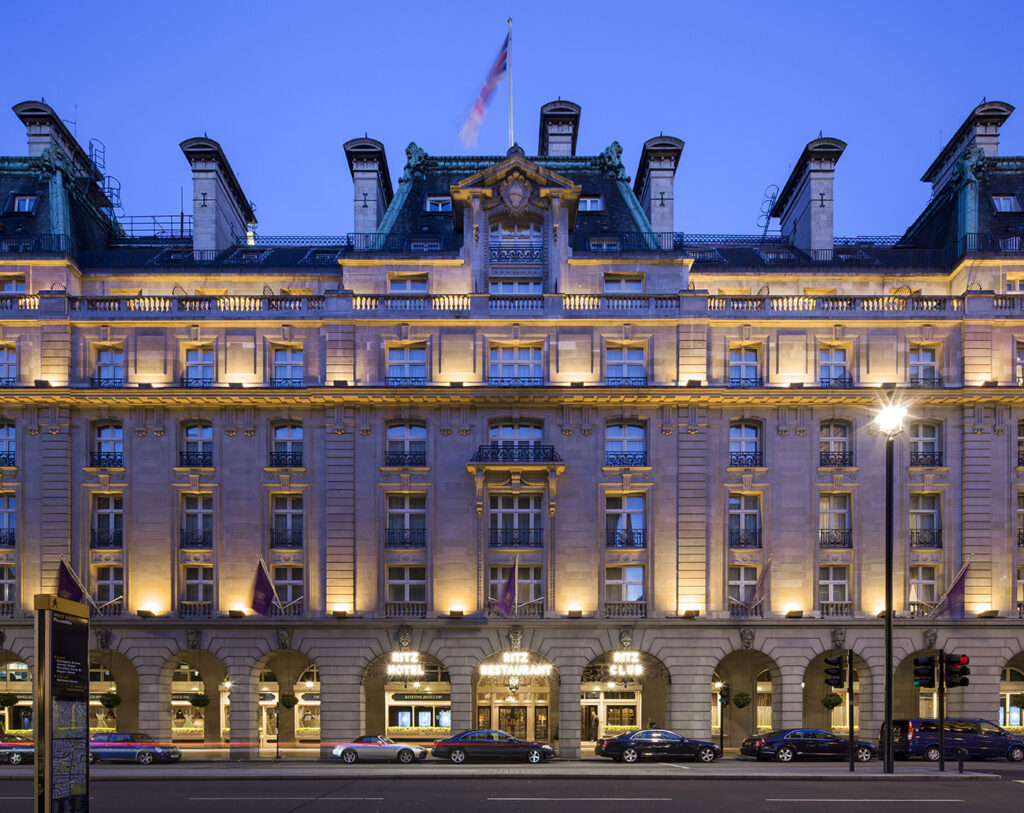
· The Ritz Hotel (formerly owned before Qatari purchase)
· One Hyde Park: World’s most exclusive residential address
Energy & Industry:
· BP: Significant shareholding in energy giant
· UK Life Sciences: Massive investments in research and development
· Energy Security Fund: £10 billion commitment to UK’s energy transition
The Saudi Surge: Football and Future Tech
Sports & Entertainment
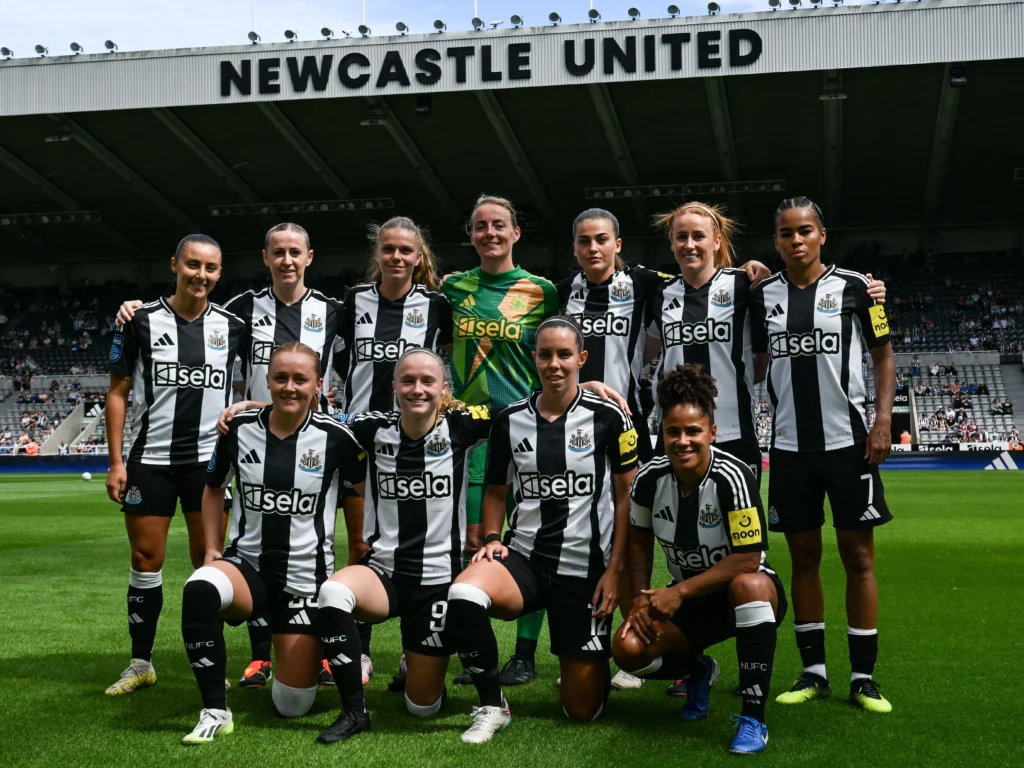
· Newcastle United: £305 million acquisition in 2021
· Aston Martin Lagonda: 18% stake in luxury carmaker
The Sporting Revolution: More Than Just Football
The Gulf’s influence extends deep into British sports culture:
· Manchester City (UAE-owned): Transformed into football’s dominant force
· Newcastle United (Saudi-owned): Premier League resurgence
· Multiple Championship and lower-league clubs with Gulf investment
The Financial Mechanics: Why Britain Welcomes Gulf Wealth
Tax Advantage: The UK’s zero capital gains tax on property for foreign investors creates an irresistible incentive. A Qatari fund can purchase a £500 million skyscraper and sell it for £800 million, keeping the entire £300 million profit tax-free.
Corporate Secrecy: Complex offshore structures based in Luxembourg and the British Virgin Islands provide near-total privacy, masking the full extent of ownership.
Political Access: Ownership of national icons grants unparalleled access to Britain’s political and business elite.
The Controversy: Nation for Sale?
The scale of Gulf investment has sparked intense debate:
Market Distortion: Critics argue Gulf capital has inflated London property prices, creating “safe deposit box” neighborhoods empty of residents.
Political Influence: Questions persist about whether financial heft translates to softened stances on human rights and regional politics.
Sportswashing: The Saudi purchase of Newcastle United brought debates about using sports to burnish international reputation to mainstream attention.
The Numbers Behind the Revolution
· Total Gulf investment: £140 billion
· Qatar’s contribution: £40 billion
· Kuwait’s stake: £17 billion
· Other Gulf states: £83 billion combined
· Comparative perspective: Russian investment totals just £25.5 billion
The Future: From Landlords to Partners
The relationship is evolving beyond simple asset acquisition. The Qatar-UK Business and Investment Forum, established in 2017, is steering Gulf capital toward future-proof sectors:
· Renewable Energy: Positioning for Britain’s green transition
· Pharmaceuticals: Betting on UK life sciences
· Technology: Supporting London’s growing tech ecosystem
As one Qatari investor noted anonymously, “We’re not just collecting trophies – we’re building bridges between our future economies.”
The remarkable scale of Gulf investment suggests these nations see Britain not as a declining power, but as a platform for their own economic transformation. In the process, they’ve become indispensable architects of Britain’s commercial landscape for generations to come.
Sources include Daily Maverick, Reuters, London Stock Exchange filings, and property registry documents
International Business Desk | Paris Telegraph News
Paris Telegraph is an independent France-based digital news platform covering Paris news, French politics, European affairs, global business, diplomacy and artificial intelligence.
Publishing timely reporting and in-depth analysis, Paris Telegraph provides international perspectives on geopolitics, economic developments, technology innovation and cultural trends shaping Europe and the world.
As a growing online media outlet, Paris Telegraph is committed to credible journalism, global insight and forward-looking analysis for readers seeking reliable news from Paris and beyond.