
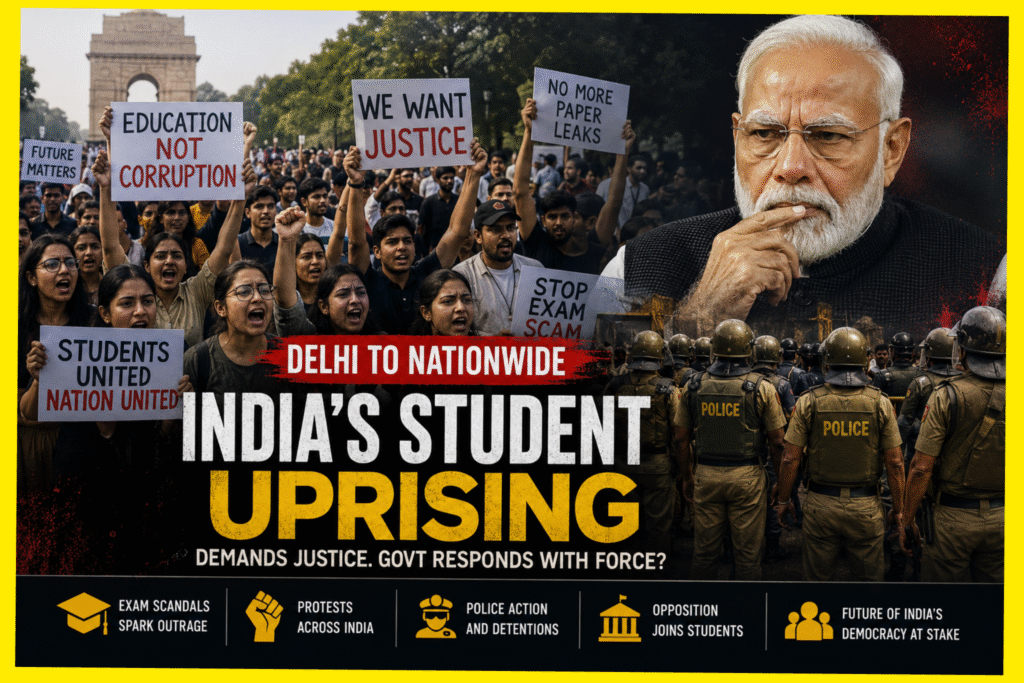
The Roar of the Cockroach: How India’s Gen-Z Uprising Exposed the Dictatorial Facade of Modi’s Regime.
Paris Telegraph Asia News Desk 25 July 2025
India is witnessing a historic wave of youth-led protests that began as a student movement in Delhi but has now exploded across the nation and the world, threatening to dismantle the carefully constructed authoritarian edifice of Narendra Modi’s government.
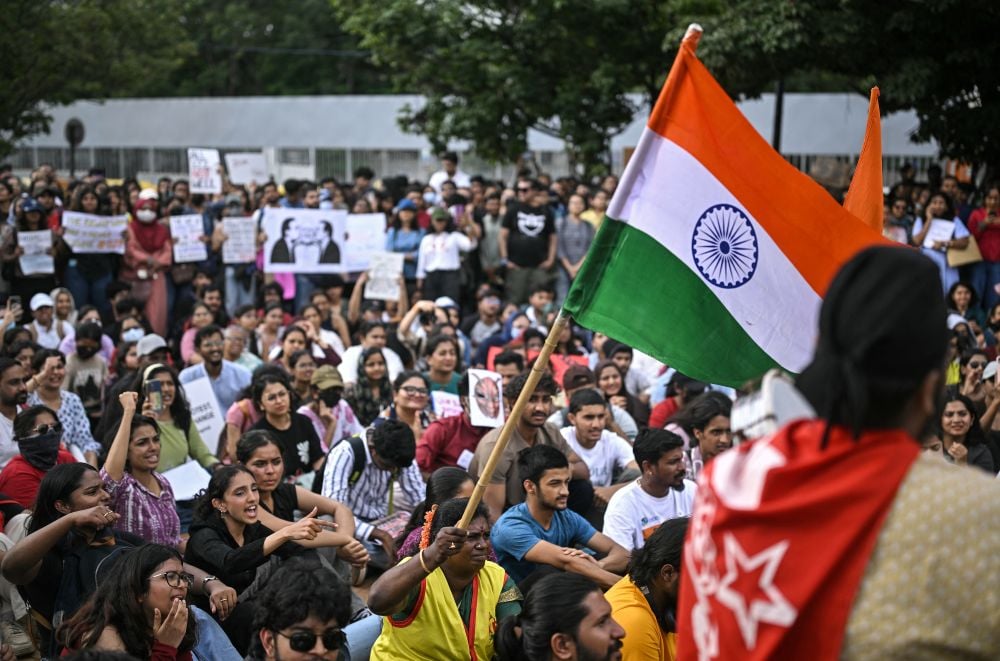
The Spark: A Nation Betrayed
The movement was ignited by a cynical joke that became a revolution. After India’s Chief Justice reportedly compared frustrated youth to “cockroaches,” Abhijeet Dipke, a 30-year-old Boston University graduate, asked on social media: “What if all cockroaches came together?” The response was staggering. The satirical Cockroach Janta Party (CJP) amassed over 22 million Instagram followers in days, dwarfing the BJP’s social media presence and becoming the largest online expression of dissent against Modi’s 12-year rule .
The underlying rage is driven by a broken system. The immediate trigger was the NEET-UG medical entrance exam paper leak, affecting nearly 2.3 million students—a scandal that exposed profound systemic corruption and dashed the dreams of millions . This wasn’t an isolated incident; it followed a history of examination fiascos, including the CBSE Class 12 marking scandal that compromised nearly 1.8 million students .
Government Negligence and the Iron Fist
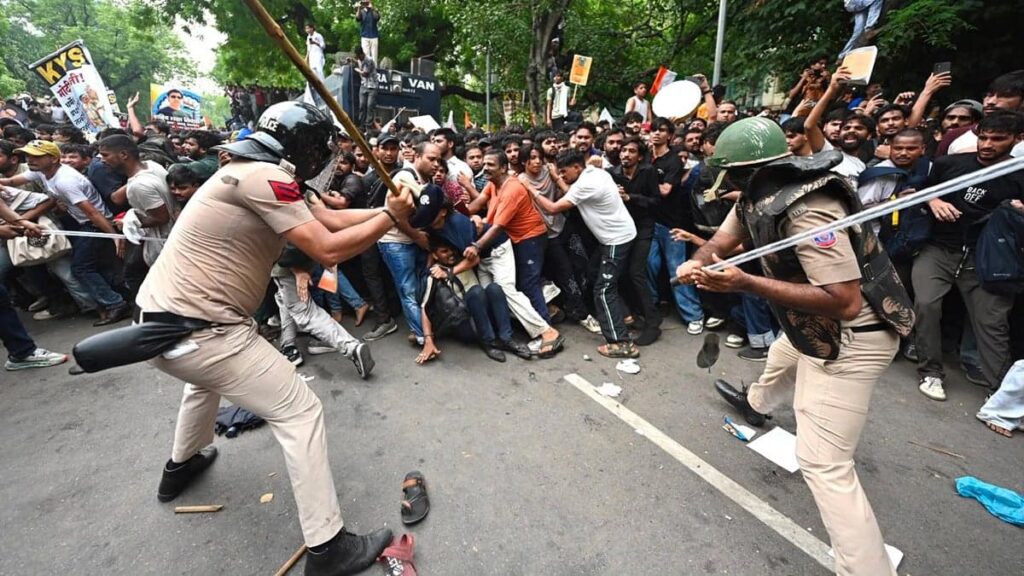
The Modi government’s response has been a masterclass in criminal negligence and authoritarian overreach. Rather than addressing the root cause—a crumbling education system plagued by corruption and youth unemployment rates reaching 13.6% in urban areas—the regime chose suppression .
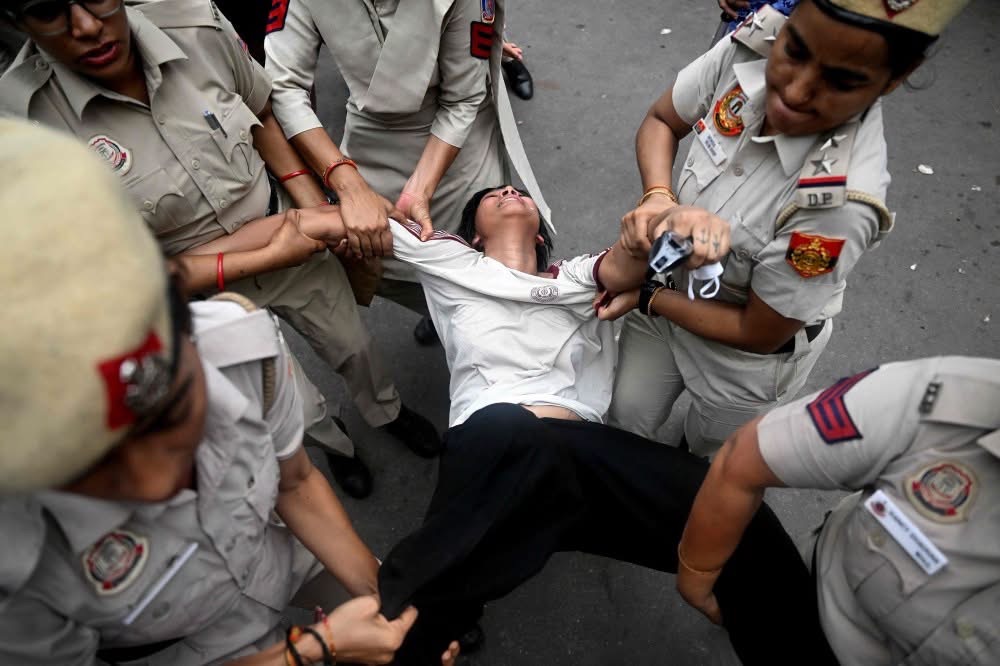
Force, Not Reform: The government deployed police, paramilitary groups, and para-army forces to crush peaceful student sit-ins at Delhi’s Jantar Mantar . Human Rights Watch has condemned the government for using excessive force against peaceful demonstrators . In Patna, police fired tear gas and water cannons at students; in Delhi, authorities cut off water and food supplies to protesters . The state even imposed internet blackouts, banned Telegram, and blocked the accounts of movement leaders—treating dissent as a national security threat .
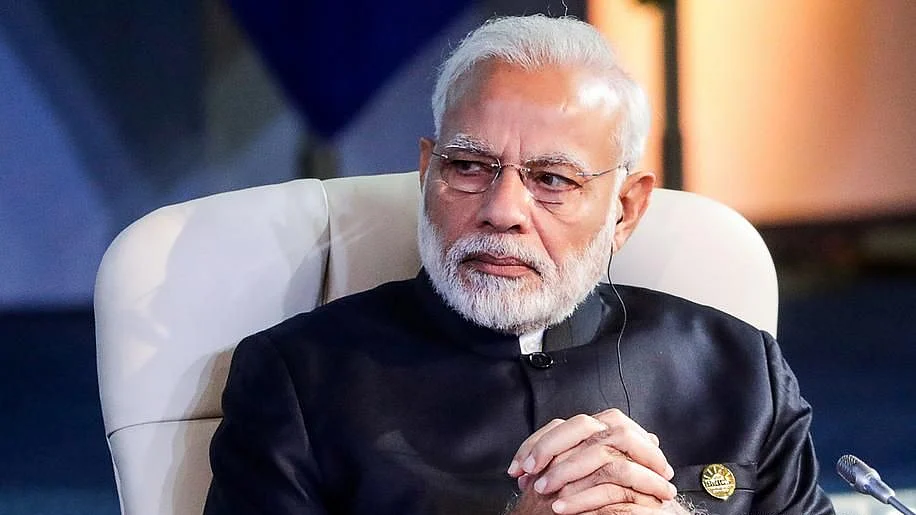
Dictator’s Silence: Prime Minister Modi broke his silence only after the protests engulfed the nation. His solution? Fast-track courts for the culprits—a hollow promise that conveniently absolved his government and Education Minister Dharmendra Pradhan of responsibility . The protesters rejected this token gesture, insisting that only Pradhan’s resignation would suffice .
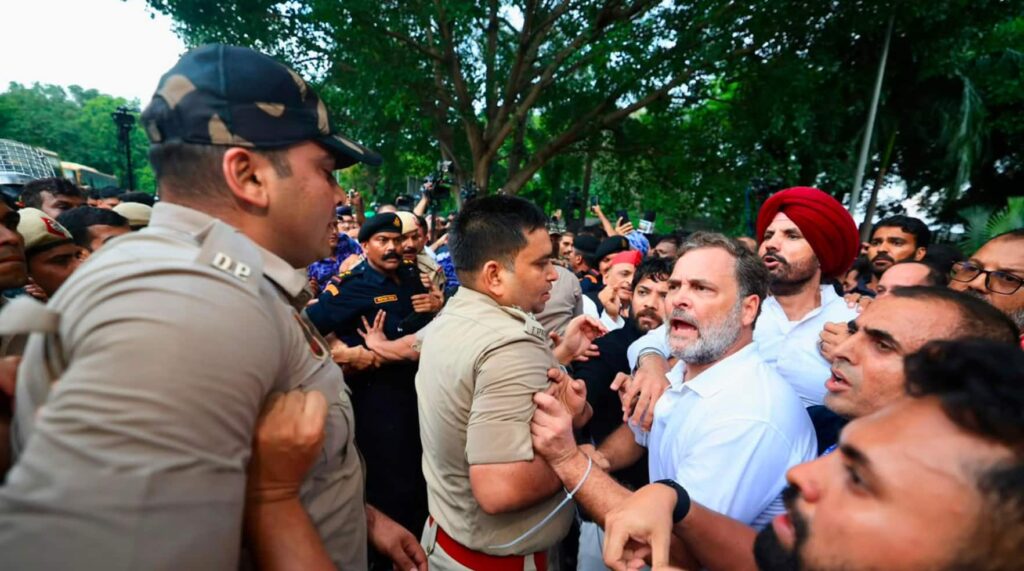
Opposition politicians have joined the students, accusing Modi of creating a dictatorship where the voice of the youth is silenced by state violence . The government’s labeling of the CJP as an “anti-India gang” reflects its desperation to delegitimize any opposition .
The Movement Goes Global
This is no longer just an Indian protest. The diaspora has mobilized in global cities like Melbourne, New York, London, and Auckland, with Indian youth gathering to condemn the regime . In Australia, protesters met Modi’s visit with chants of “Go back” and signs reading “Stop Indian Invasion,” a reflection of the global embarrassment caused by his administration .
The movement, led by figures like activist Sonam Wangchuk (currently on a hunger strike that has lasted over 19 days), has become a symbol of resistance against rising authoritarianism .
The Cockroach Janta Party is the most significant challenge to Modi’s regime, proving that Gen-Z, armed with memes and a fierce sense of justice, cannot be silenced by batons or tear gas. The government’s decision to use military force against its own students is not governance; it is tyranny.

Paris Telegraph is an independent France-based digital news platform covering Paris news, French politics, European affairs, global business, diplomacy and artificial intelligence.
Publishing timely reporting and in-depth analysis, Paris Telegraph provides international perspectives on geopolitics, economic developments, technology innovation and cultural trends shaping Europe and the world.
As a growing online media outlet, Paris Telegraph is committed to credible journalism, global insight and forward-looking analysis for readers seeking reliable news from Paris and beyond.