
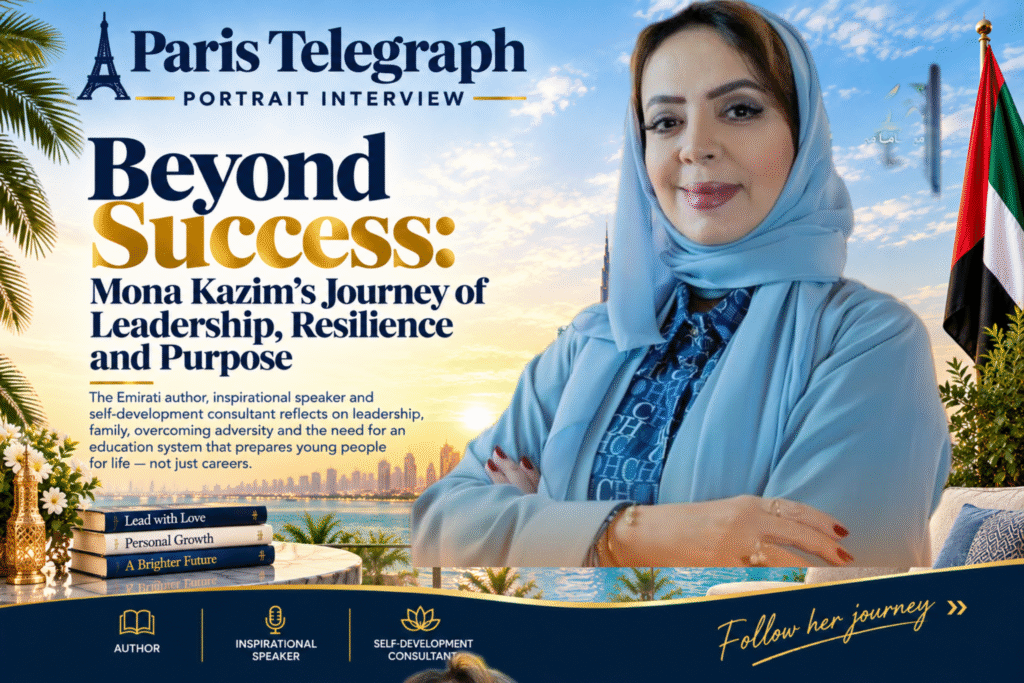
Beyond Success: Mona Kazim’s Journey of Leadership, Resilience and Purpose
The Emirati author, inspirational speaker and self-development consultant reflects on leadership, family, overcoming adversity and the need for an education system that prepares young people for life—not just careers.
Some journeys are defined by success; others by the courage to overcome adversity and begin again. Mona Kazim’s story brings together both, shaped by professional achievements, personal challenges and a deep desire to inspire others.
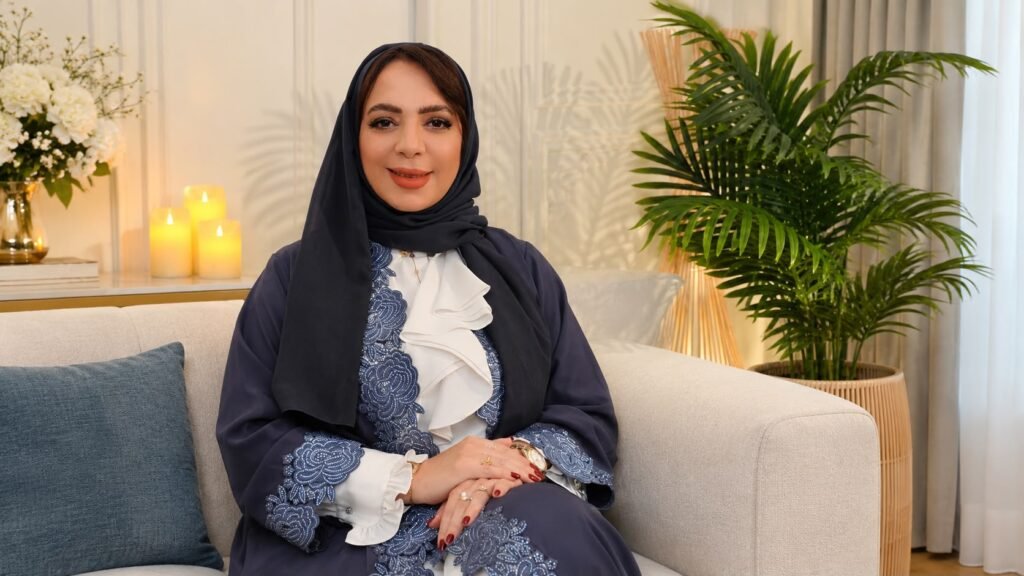
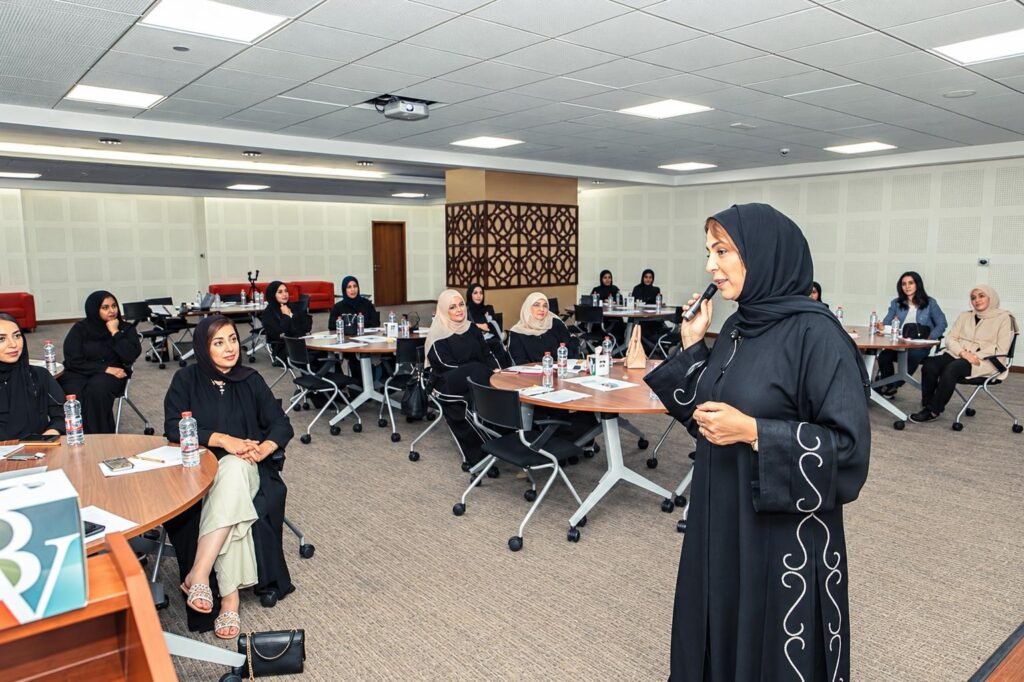
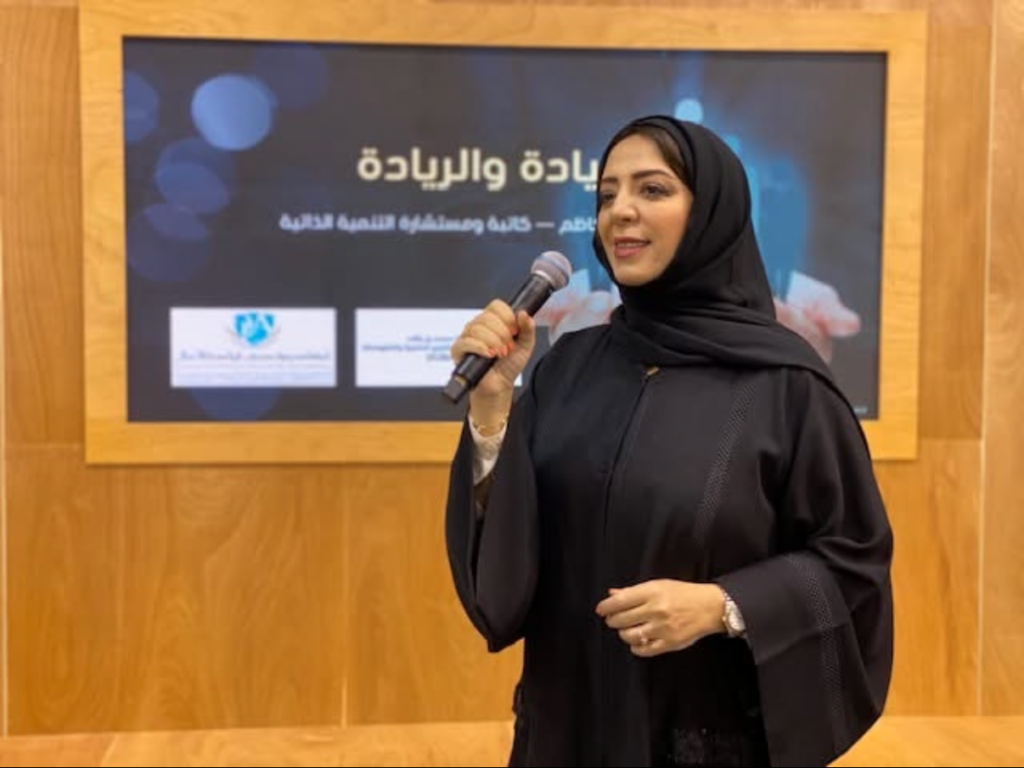
An Emirati author, inspirational speaker and self-development consultant, Mona has built a diverse career spanning chemical engineering, government strategy, leadership development and personal growth. Guided by her philosophy of “Lead with Love,” she believes that true leadership begins with self-awareness, compassion and the ability to empower others.
In this exclusive Portrait interview with Paris Telegraph, Mona reflects on her journey, the influence of family, the lessons of resilience and her vision for an education system that prepares young people not only for careers, but for life. Her message is clear: success is not simply about what we achieve, but also about how we grow and the difference we make in the lives of others.
Q1. From Engineering to Leadership
You began your career as a chemical engineer and later moved into quality, excellence, strategy, government performance and personal development. What inspired you to make this transition?
Mona Kazim: My journey began in chemical engineering, which taught me to think analytically, solve problems and approach challenges systematically. Over time, I discovered that my interests extended beyond technical work to organisational development, strategy and leadership.
An opportunity to become a Quality Facilitator opened a new door for me. I received training in the Balanced Scorecard and began exploring how organisations could improve performance, set clear objectives and achieve meaningful results.
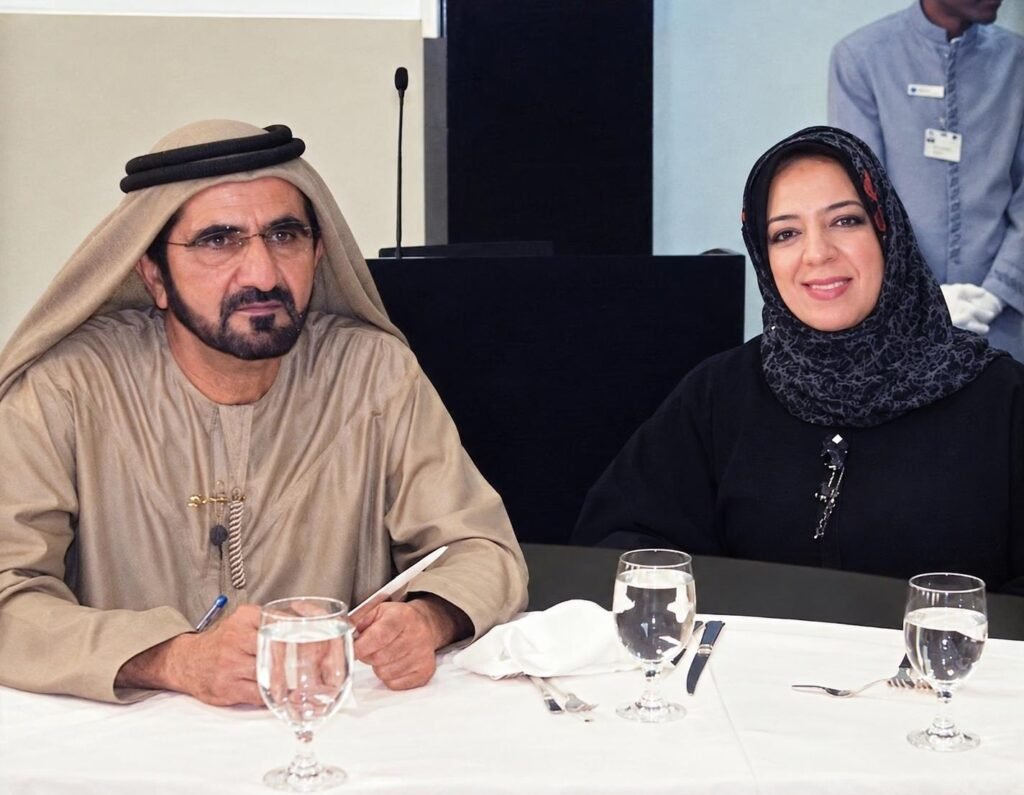
A significant turning point came when I was selected for an inaugural leadership development programme associated with His Highness Sheikh Mohammed bin Rashid Al Maktoum, during 2003–2005. That experience broadened my perspective and helped me recognise the possibilities that emerge when we are willing to step beyond our comfort zones.
Looking back, every stage of my career contributed something valuable.
Engineering taught me how to solve problems. Strategy taught me how to see possibilities. Leadership taught me how to turn those possibilities into reality. And personal development taught me that the most meaningful transformation always begins within ourselves.
Q2. Leading Change in Government
You worked in strategic planning and government performance, including at the UAE Prime Minister’s Office. What was the most important lesson you learned from that experience?
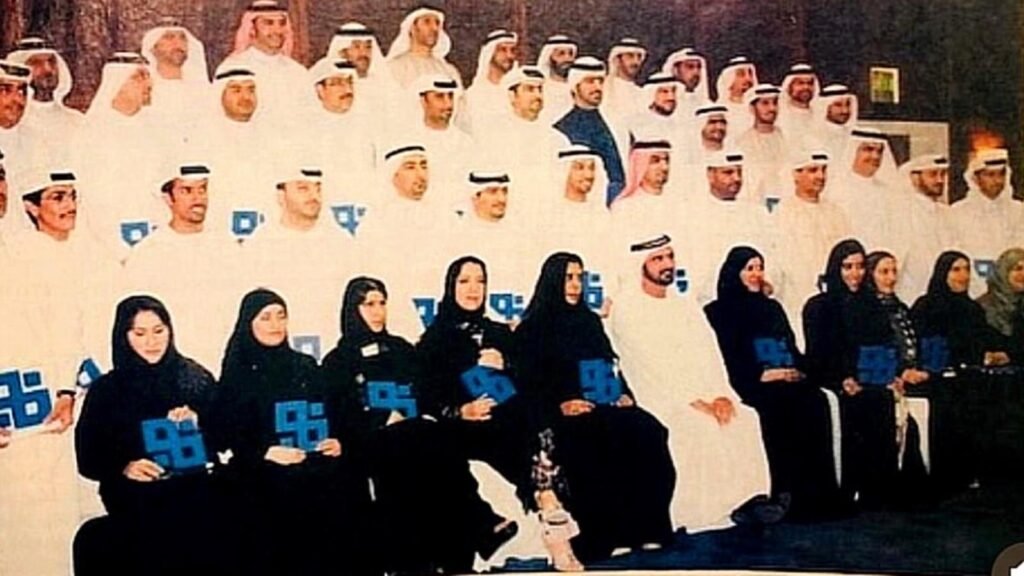
Mona Kazim: My experience in strategic planning at Dubai Electricity and Water Authority (DEWA) helped me understand how a clear strategy, supported by effective performance measurement, can improve organisational results.
My work with the Balanced Scorecard created opportunities to present ideas and share my experience with others. This eventually led to my recruitment to the UAE Prime Minister’s Office, where I contributed to establishing a federal government performance management system.
The initiative involved more than 44 federal entities and gave me the opportunity to work on a much broader scale. Presenting work at Cabinet level was an especially valuable experience.
The most important lesson was that we should not automatically reject opportunities because they appear too difficult or beyond our abilities. We can grow into responsibilities that initially seem intimidating if we prepare ourselves, remain committed and are willing to learn.
Sometimes, the challenge we hesitate to accept becomes the experience that changes our lives.
Q3. Women, Leadership and Self-Belief
What do you believe women bring to leadership, and what advice would you give to women who want to make a difference?
Mona Kazim: Leadership is not defined by gender. It is shaped by our values, awareness, decisions and the way we treat others.
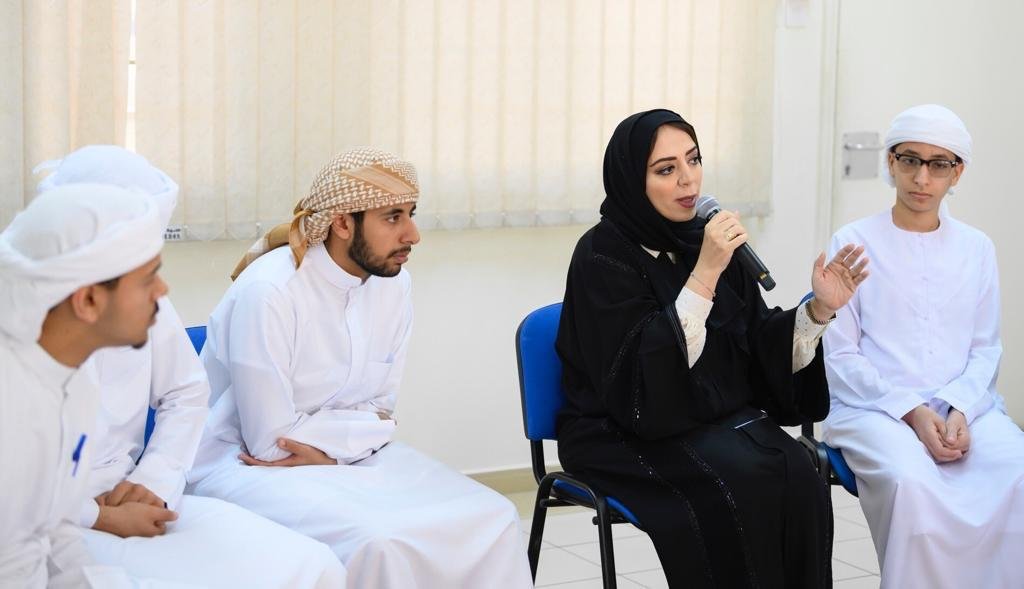
Women contribute in many ways, drawing on their experiences, perspectives and abilities. However, I believe the foundation of effective leadership is self-leadership: understanding who we are, recognising our strengths and weaknesses, and taking responsibility for our choices.
Motherhood also taught me important lessons about leadership. It requires patience, consistency, understanding and the ability to guide others while allowing them to develop their own independence.
My message to women is to believe in their abilities without feeling that they must become someone else to succeed. Develop your skills, remain open to learning and lead in a way that reflects your values.
Q4. What Makes a Great Leader?
Beyond professional achievements and success, what qualities distinguish a truly great leader?
Mona Kazim: For me, leadership begins with the ability to understand and lead ourselves. Titles and positions may give us authority, but they do not automatically earn us the trust and respect of others.
A great leader creates an environment in which people feel valued, supported and encouraged to contribute. This requires listening, respecting different perspectives, delegating responsibility and giving people the confidence to develop their abilities.
My leadership philosophy is “Lead with Love.” This does not mean avoiding difficult decisions. It means making decisions with fairness, respect, compassion and a genuine concern for people.
A successful leader achieves results. A great leader achieves results while inspiring others to become leaders themselves.
Ultimately, leadership should not depend on one person’s presence. It should leave behind capable, confident people who can continue moving forward.
Q5. Mental Wellbeing and a Healthier Society
You have spoken about personal development and mental wellbeing. Why do you believe these subjects deserve greater attention today?
Mona Kazim: Mental wellbeing is fundamental to a healthy society. We often focus on professional achievement, academic results and material success, but may overlook the emotional and psychological skills people need to manage everyday life.
Families, schools, governments and organisations all have a role to play. Children need to learn how to understand their emotions, build healthy relationships, manage difficulties and seek support when necessary.
Workplaces also need to recognise that people are not simply employees expected to deliver results. They are human beings with responsibilities, pressures, hopes and challenges.
Giving greater attention to wellbeing can help create more understanding families, supportive workplaces and healthier communities. We should not wait until people are struggling before taking their emotional wellbeing seriously.
Q6. Helping Someone Who Has Lost Confidence
If someone feels discouraged, loses confidence or believes they are not good enough, what would you advise them to do?
Mona Kazim: I would begin by encouraging them to recognise what is already good in their lives.
One piece of advice I often share is: “Count your blessings before you count your shortcomings.”
People sometimes become so focused on what they lack that they forget their strengths, achievements and the resources available to them. Recognising these can help them develop a more balanced view of themselves.
I would encourage them to identify their abilities, set small and realistic goals, and take practical steps towards those goals. Confidence often grows through action rather than waiting for fear or uncertainty to disappear.
It is also important to understand that asking for help is not a weakness. When someone is experiencing persistent emotional distress, professional psychological support can be valuable.
We do not have to solve everything at once. Sometimes, one small step forward is enough to begin rebuilding confidence.
Q7. Conscious Awareness and Personal Growth
You place importance on conscious awareness. What does this concept mean to you, and how can people apply it in their daily lives?
Mona Kazim: Conscious awareness begins with understanding ourselves: our thoughts, emotions, beliefs, reactions and behavioural patterns.
Many of our decisions are influenced by habits or assumptions that we may never have questioned. When we become more aware of these influences, we can pause, reflect and choose how we want to respond instead of reacting automatically.
This awareness also helps us understand our triggers, recognise recurring patterns and become more thoughtful in our relationships.
I believe personal development is a continuous process. It requires curiosity, reflection, independent thinking and a willingness to keep learning.
We cannot control every situation that comes into our lives, but we can work towards understanding ourselves and responding to circumstances with greater awareness and responsibility.
Q8. Writing, Books and Sharing Life Lessons
You have explored writing and published books on different subjects. What inspired you to become an author, and what do you hope readers take away from your work?
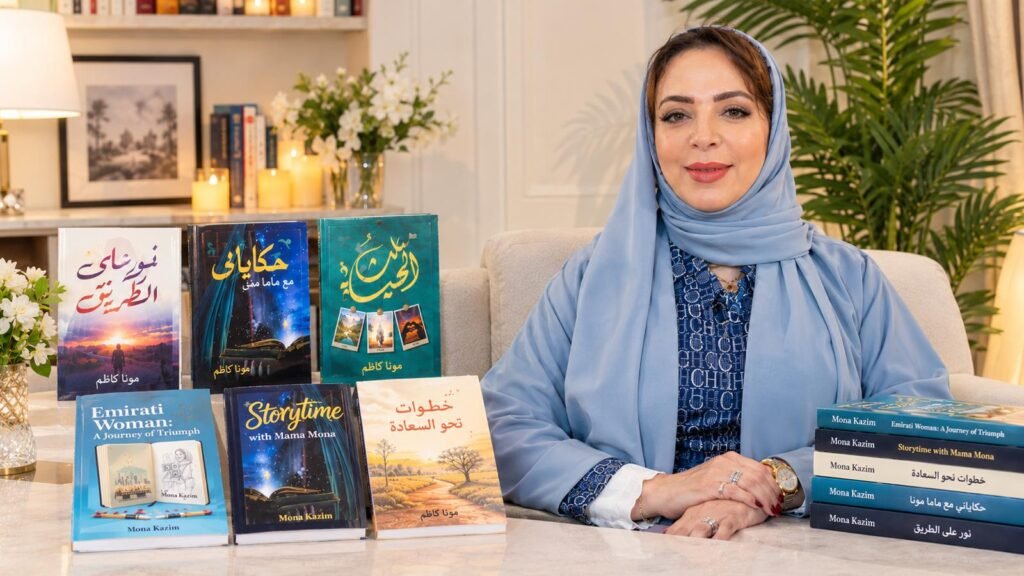
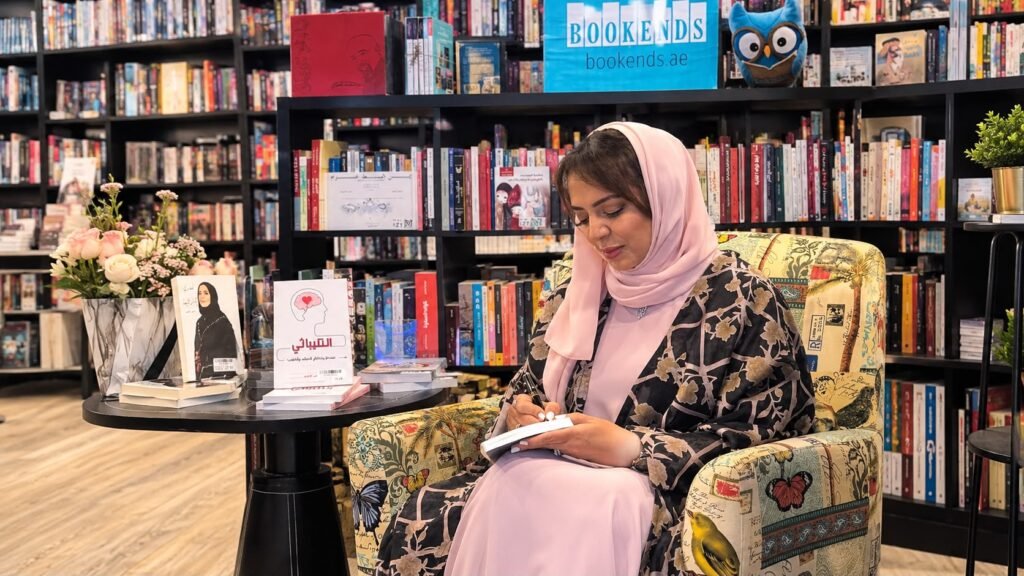
Mona Kazim: My journey into writing began in a personal and meaningful way. My daughter Janan encouraged me to turn the bedtime stories I shared with her into a book. That encouragement led to Story Time with Mama Mona, a collection of ten stories.
Writing gradually became another way for me to communicate ideas, share experiences and encourage people to reflect on their lives.
My work has included subjects connected with Emirati women, personal development and the lessons we can learn from life’s experiences. Each subject has offered a different opportunity to connect with readers.
Writing can preserve experiences and make them meaningful to people we may never meet. A story, a reflection or a lesson can sometimes reach someone at exactly the moment they need encouragement.
My hope is that readers will find something useful in my books—whether it is a new perspective, renewed confidence or the motivation to approach their own lives differently.
Q9. The Influence of Family
You have spoken about the importance of family, motherhood and your role as a grandmother. How has family influenced your personal and professional journey?
Mona Kazim: My mother was one of the greatest influences in my life. Her support for my education and her encouragement helped me develop confidence in myself and my abilities.
Her influence taught me the importance of giving children opportunities to learn, grow and believe in themselves. The encouragement we receive from our families can shape how we see our own potential.
Motherhood has also been one of my most important learning experiences. It taught me patience, responsibility, resilience and the need to balance personal ambitions with the needs of others.
As a mother and grandmother, I recognise how important it is to create an environment in which children feel loved, respected and encouraged to discover their strengths.
Family reminds us that success is not measured only by professional accomplishments. The values we pass on, the relationships we nurture and the confidence we help others build are also important parts of our legacy.
Q10. Resilience Through Life’s Most Difficult Challenges
Every successful journey includes challenges that others may never see. What has been one of the most difficult periods of your life, and what did it teach you?
Mona Kazim: Some of the most difficult experiences of my life tested my strength in ways I could never have anticipated.
During the Iraqi invasion of Kuwait, I escaped by road on my own. I was separated from my young son and his father for two weeks before we were reunited. That period was filled with uncertainty and fear, and it taught me how important courage and perseverance can be when circumstances are beyond our control.
Later, after spending 22 years in Kuwait, I had to rebuild my life in Dubai. I also experienced the end of a marriage that had lasted 40 years.
One of the most devastating experiences was losing my mother, my brother, Dr. Bader Kazim, and my sister-in-law in a car accident that happened before my eyes and those of my children. The loss was deeply painful and changed our lives forever.
Experiences like these cannot be reduced to simple lessons or easy answers. Grief takes time, and people find their own ways of living with loss. I have learned that resilience does not mean being strong every moment or pretending that pain does not exist.
Resilience does not mean we never break down, cry, or feel defeated. It means finding the courage to rise again, even when life has changed us forever.
I believe that, even after profound difficulties, it is possible to rebuild, discover new meaning and continue living with purpose.
Q11. Redefining Success
Has your understanding of success changed over the years? What does success mean to you today?
Mona Kazim: Yes, my understanding of success has evolved significantly.
Earlier in life, I associated success more closely with achievements, professional positions and reaching specific goals. Those things can be important, but experience has taught me that they do not tell the whole story.
I married at the age of 16 while continuing to pursue my education. My journey required me to balance family responsibilities with learning, work and personal ambitions.
Over time, I have come to appreciate the importance of balance, fulfilment and inner contentment. Success should not be measured only by what we achieve externally, but also by how we live, how we treat others and whether our lives reflect the values that matter to us.
For me, success today is about living meaningfully, continuing to grow, maintaining important relationships and finding peace within myself.
Q12. Rethinking Education for the Next Generation
If you could change one thing to improve the lives of future generations, what would it be, and why?
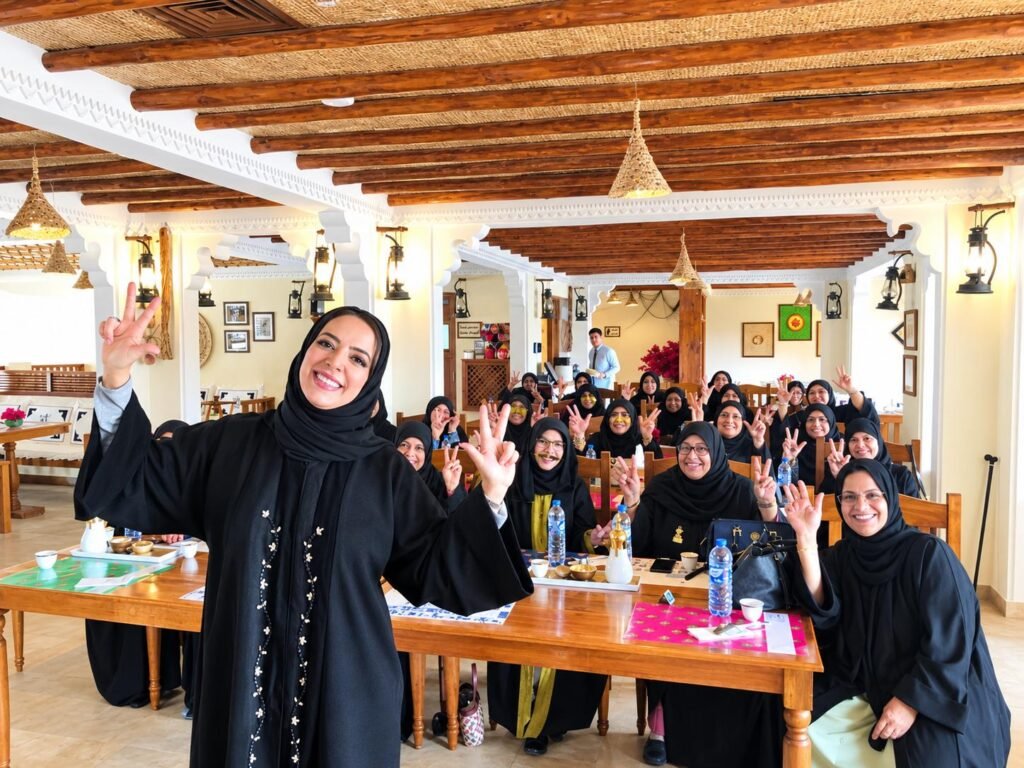
Mona Kazim: I would rethink the education system from the ground up, placing greater emphasis on preparing children for life as well as for examinations and employment.
Education should not be limited to academic knowledge. Young people also need emotional intelligence, communication skills, creativity, financial literacy, problem-solving abilities and an understanding of how to manage everyday responsibilities.
Schools could provide more opportunities to explore practical skills, entrepreneurship, cooking, crafts, art, music and other activities that help children discover their interests and abilities. These experiences can support confidence, independence and creative thinking.
We should also invest in teachers and help them understand child psychology, neuroscience and the different ways in which children learn. Every child has individual strengths and may need a different approach to learning.
My vision is an education system that develops the whole person—not only the student’s ability to pass an examination, but also their ability to think critically, build relationships, manage challenges and contribute positively to society.
If we want a healthier and more capable generation, we must prepare young people not only to earn a living, but also to live well.
Q13. A Message to Young Women Who Dream of Leadership
What would you say to young women who aspire to become leaders but struggle with self-doubt or lack confidence?
Mona Kazim: I would encourage them to begin by knowing themselves. Understand your values, identify what matters to you, and develop a clear sense of the direction in which you want to go.
You do not need to have every answer at the beginning. Set goals, remain curious, develop your skills and be willing to learn from both success and failure.
Seek mentors and surround yourself with people who encourage your growth. When necessary, do not hesitate to seek professional guidance or support.
I would also remind young women that leadership does not require them to abandon kindness or compassion. You can be ambitious and humble, strong and humane, confident and willing to learn.
My philosophy of “Lead with Love” is about recognising the value of people and using our abilities responsibly.
Most importantly, do not allow fear of making mistakes to prevent you from taking meaningful steps towards your goals.
Q14. A Message of Courage and Hope
Finally, what message would you like to share with the world, particularly young people and women who are working towards a better future?
Mona Kazim: I would encourage people to recognise their potential and take responsibility for developing it.
Do not wait for every circumstance to become perfect before you begin. Prepare yourself, keep learning, seek opportunities and have the courage to take the next step. Faith, effort and perseverance can help us move forward, even when the journey is uncertain.
A manager once gave me advice that stayed with me:
“Do not wait for opportunities. Prepare yourself, seek them, and have the courage to create them.”
I believe this is especially important for young people. The world will present challenges, and not every opportunity will come easily. What matters is how we prepare, how we respond and whether we remain willing to grow.
To young girls and women, I would say:
“Your beginning does not define your destination. Your challenges do not determine your worth. And your dreams do not need anyone else’s permission to exist.”
Believe in yourself, continue learning, remain grounded in your values and use your abilities to contribute to the lives of others.
Thank you to Paris Telegraph for the opportunity to share my journey and reflections with its readers.

A Journey of Resilience, Self-Belief and Purpose
Mona Kazim’s journey reflects the importance of resilience, self-belief and purposeful leadership. Her message to the next generation is both simple and powerful: our beginnings do not define us, our challenges do not diminish our worth, and our dreams deserve the courage to be pursued.
Through her professional experience and personal reflections, she invites readers to look beyond conventional definitions of success and recognise the value of personal growth, compassion and contribution to others.
Paris Telegraph thanks Mona Kazim for sharing her journey and reflections with our readers.
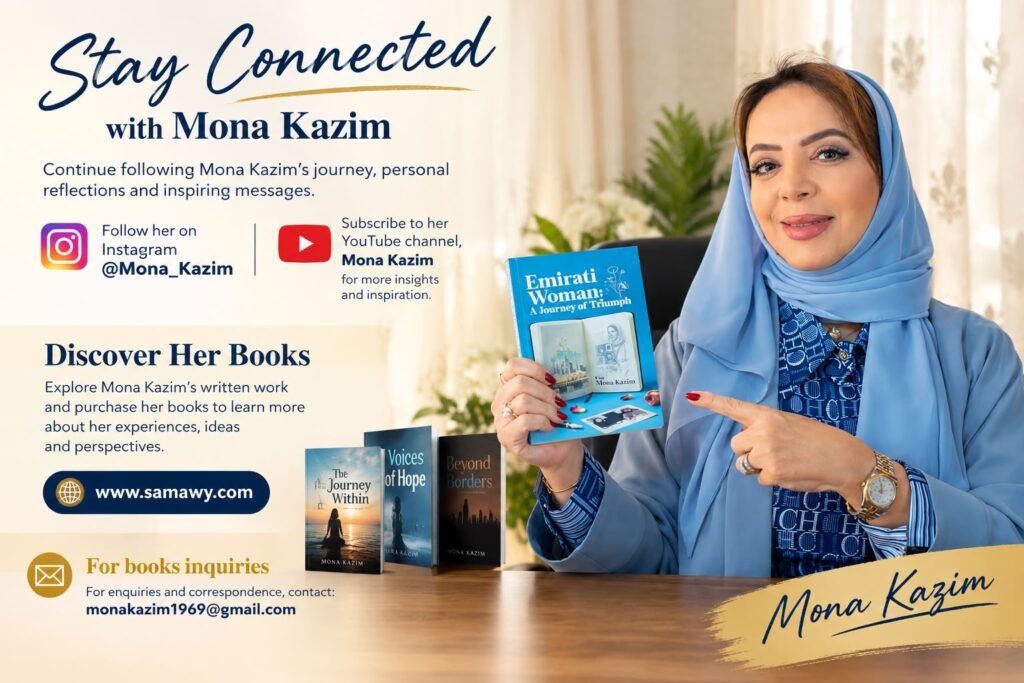
Continue following Mona Kazim’s journey, personal reflections and inspiring messages.
Follow her on Instagram [@Mona_Kazim] and subscribe to her YouTube channel, Mona Kazim, for more insights and inspiration.
Discover Her Books
Explore Mona Kazim’s written work and purchase her books to learn more about her experiences, ideas and perspectives.
For books inquiries www.samawy.com
For enquiries and correspondence, contact: monakazim1969@gmail.com

Paris Telegraph is an independent France-based digital news platform covering Paris news, French politics, European affairs, global business, diplomacy and artificial intelligence.
Publishing timely reporting and in-depth analysis, Paris Telegraph provides international perspectives on geopolitics, economic developments, technology innovation and cultural trends shaping Europe and the world.
As a growing online media outlet, Paris Telegraph is committed to credible journalism, global insight and forward-looking analysis for readers seeking reliable news from Paris and beyond.