
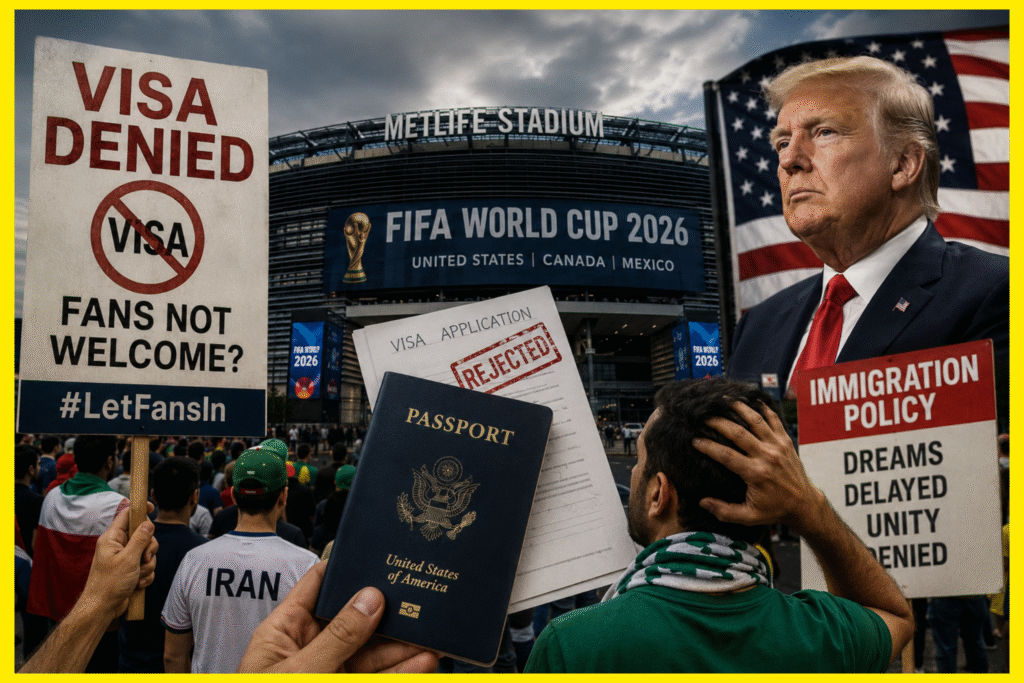
FIFA World Cup 2026 Overshadowed by Politics, Visa Restrictions and Growing Controversies
12-06-2026 By Paris Telegraph International Desk
PARIS — The FIFA World Cup 2026 was expected to be remembered as a historic celebration of global football. Hosted jointly by the United States, Canada and Mexico, the tournament has expanded to 48 teams for the first time in history and was designed to showcase football’s growing influence across North America.
Yet before a single champion is crowned, the competition has become entangled in political disputes, immigration concerns, visa complications and growing criticism of FIFA’s governance. For many football supporters, journalists and human rights advocates, the focus has shifted away from the sport itself and toward the policies surrounding the tournament.
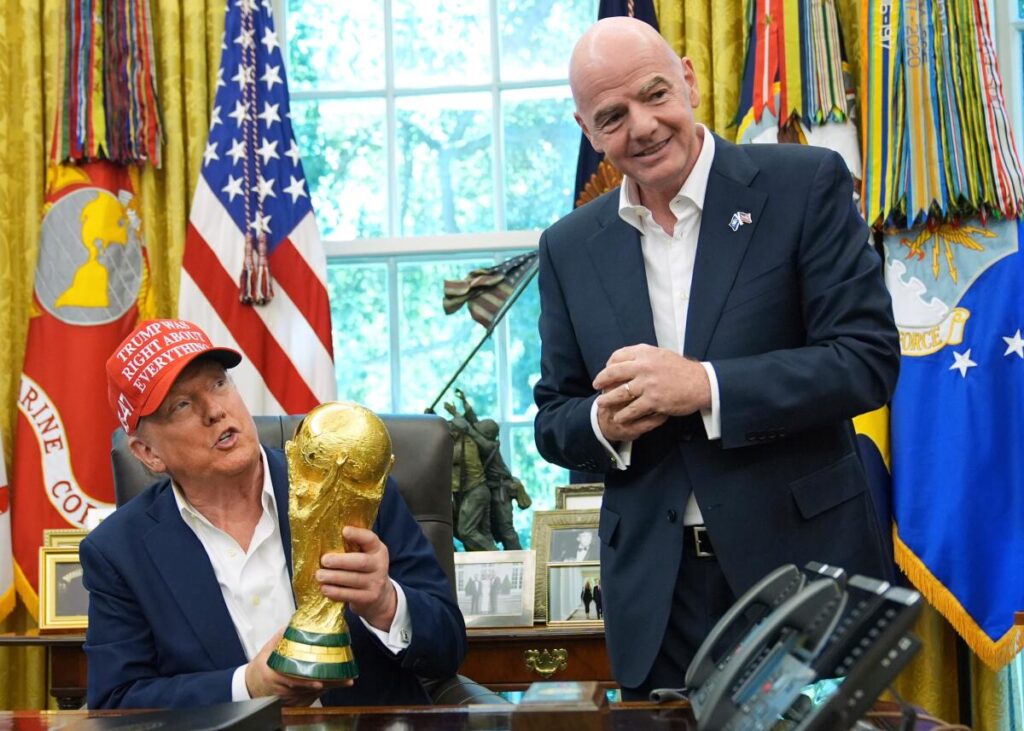
A World Cup Under Political Scrutiny
The United States, which will host the majority of World Cup matches, has become the center of debate over immigration and border policies. Critics argue that strict visa procedures and enhanced security measures have created uncertainty for supporters, journalists and even football officials from several countries.
The political atmosphere surrounding the tournament intensified due to debates over immigration enforcement, border security and travel restrictions. While U.S. authorities maintain that security measures are necessary to protect visitors and ensure a safe event, critics contend that the World Cup should remain accessible to all nations regardless of political tensions.
Football has historically served as a bridge between cultures and countries. However, many observers believe the 2026 tournament risks becoming a symbol of geopolitical division rather than global unity.
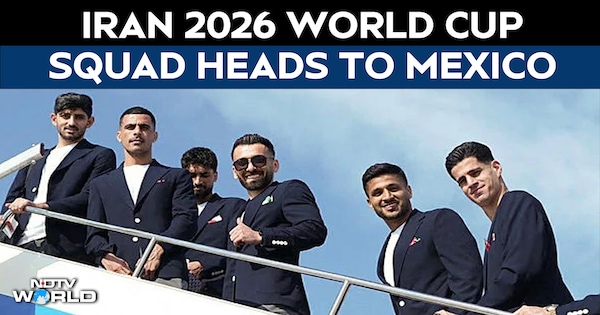
Countries Facing Visa Challenges
Several nations have expressed concerns regarding access to the United States during the World Cup.
Supporters from African, Middle Eastern and some Asian countries have reported fears over lengthy visa waiting periods, additional documentation requirements and uncertainty surrounding approval decisions.
Countries whose citizens traditionally face higher visa refusal rates may encounter particular difficulties. Fans from nations such as Iran, Sudan, Afghanistan, Syria and other countries affected by previous travel restrictions have raised concerns about whether supporters will be able to attend matches without significant bureaucratic obstacles.
Journalists covering the event have also voiced concerns regarding processing delays, especially those coming from regions experiencing diplomatic tensions with Washington.
Football supporters argue that the World Cup should be one of the few global events where ordinary citizens can travel freely to support their national teams. Instead, some fear that immigration procedures may prevent thousands of fans from experiencing football’s biggest stage.
Impact on Supporters
The World Cup is traditionally known for its colorful atmosphere created by travelling fans. From Brazilian samba drums to Argentine chants and Moroccan celebrations, supporters are often as memorable as the players themselves.
However, visa uncertainty has already prompted concerns among travel agencies and supporter groups.
Some fan organizations report that obtaining appointments, completing documentation requirements and navigating immigration procedures can be expensive and time-consuming. Critics argue that this creates unequal access to the tournament, particularly for supporters from developing countries.
For many football enthusiasts, the situation contradicts FIFA’s repeated message that football belongs to everyone.
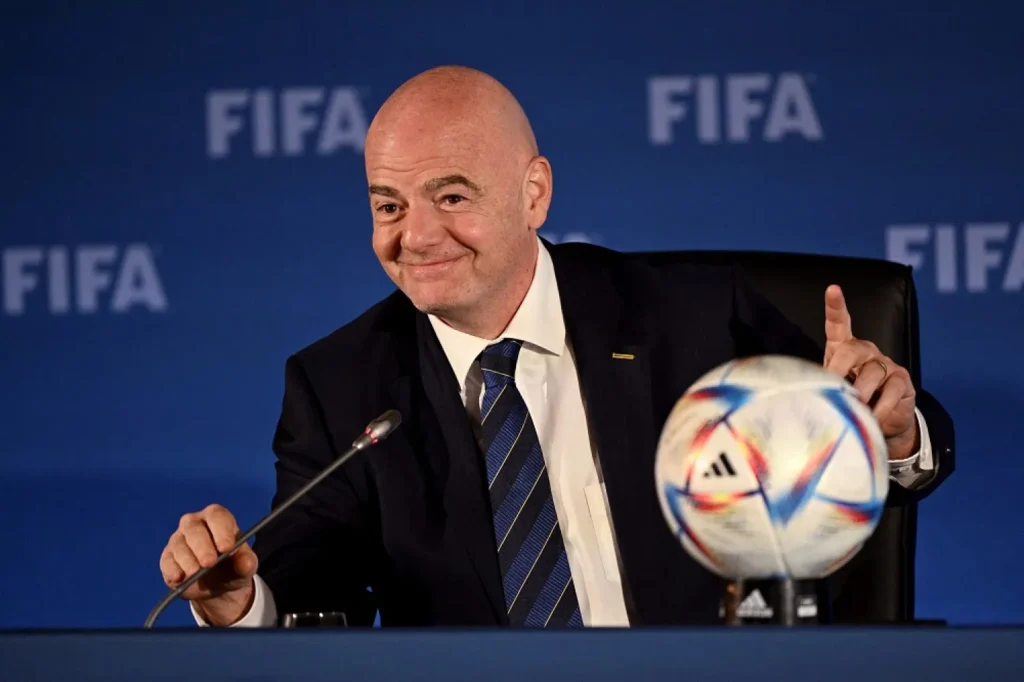
FIFA itself has not escaped criticism.
The governing body has long promoted football as a force for inclusion, diversity and international cooperation. However, critics question whether FIFA has done enough to address concerns surrounding travel accessibility and fan participation.
Human rights organizations have urged FIFA to engage more actively with host governments to ensure supporters, journalists and stakeholders can attend the tournament without unnecessary barriers.
Critics argue that FIFA’s commercial priorities have increasingly overshadowed its commitment to football supporters.
The expansion of the tournament to 48 teams has also generated debate. While FIFA says expansion increases global representation, opponents argue that the larger format risks reducing competitive quality while creating additional logistical challenges.

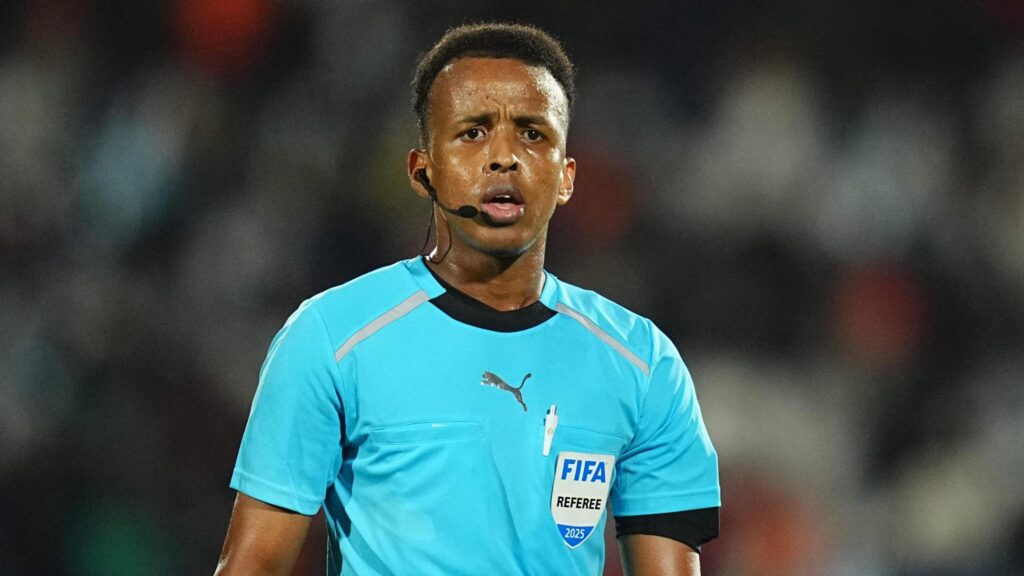
Refereeing Concerns and VAR Debates
Beyond politics and immigration issues, refereeing decisions remain a major source of controversy.
Video Assistant Referee (VAR) technology was introduced to improve fairness and reduce human error. Yet critics argue that VAR continues to generate confusion and inconsistency.
Several football analysts have highlighted concerns over penalty decisions, offside interpretations and lengthy reviews that disrupt the flow of matches.
Fans often complain that decisions are becoming increasingly technical and less understandable for spectators inside stadiums.
While FIFA maintains that officiating standards continue to improve, debates surrounding refereeing remain among the most discussed topics in modern football.
The challenge for FIFA is maintaining public confidence in officiating while ensuring transparency and consistency across all matches.
Politics and Sport: An Increasingly Difficult Separation
The controversy surrounding the 2026 World Cup reflects a broader global trend in which sports and politics are becoming increasingly difficult to separate.
From diplomatic disputes to immigration policies and human rights debates, major sporting events now operate within complex political environments.
Supporters who simply want to watch football often find themselves confronted by issues far beyond the pitch.
Many critics believe the World Cup should remain neutral territory where national rivalries are settled through sport rather than political disagreement. Yet in today’s interconnected world, such separation is becoming increasingly difficult.
A Defining Test for FIFA
The FIFA World Cup 2026 remains capable of delivering unforgettable sporting moments. The world’s greatest players will compete for football’s most prestigious trophy, and millions will tune in from every corner of the globe.
Nevertheless, the tournament faces significant challenges.
Questions regarding visa access, immigration policies, fan participation, tournament expansion and officiating controversies have already shaped public discussion.
For FIFA, the event represents more than a football competition. It is a test of whether the organization can preserve the spirit of global unity while navigating political realities.
As the tournament unfolds, football fans around the world will be watching not only the action on the field but also how FIFA and host governments respond to the concerns surrounding the world’s most important sporting event.
The 2026 World Cup was meant to celebrate football’s universal appeal. Whether it ultimately becomes remembered for sporting excellence or political controversy may depend on the decisions made off the pitch as much as those made on it.

Paris Telegraph is an independent France-based digital news platform covering Paris news, French politics, European affairs, global business, diplomacy and artificial intelligence.
Publishing timely reporting and in-depth analysis, Paris Telegraph provides international perspectives on geopolitics, economic developments, technology innovation and cultural trends shaping Europe and the world.
As a growing online media outlet, Paris Telegraph is committed to credible journalism, global insight and forward-looking analysis for readers seeking reliable news from Paris and beyond.