

India’s Election Commission Faces Mounting Protests as Mass Detentions Raise Human Rights Concerns
By Paris Telegraph Correspondent | New Delhi
NEW DELHI, October 11, 2026 — Protests demanding the resignation of India’s Chief Election Commissioner, Gyanesh Kumar, have intensified across the country, with student organisations, opposition activists and youth-led movements challenging the controversial revision of electoral rolls and raising concerns about democratic accountability.
The demonstrations have triggered a major security response in the national capital, where police detained hundreds of demonstrators earlier this month and more than 2,000 people during a major protest crackdown on October 10, according to Indian media reports. and other news organisations have reported extensive police deployments, restrictions around protest locations and the detention of political activists.
The controversy has now expanded beyond electoral administration, prompting renewed debate about the right to peaceful assembly, freedom of expression and the treatment of political dissent in the world’s most populous democracy.
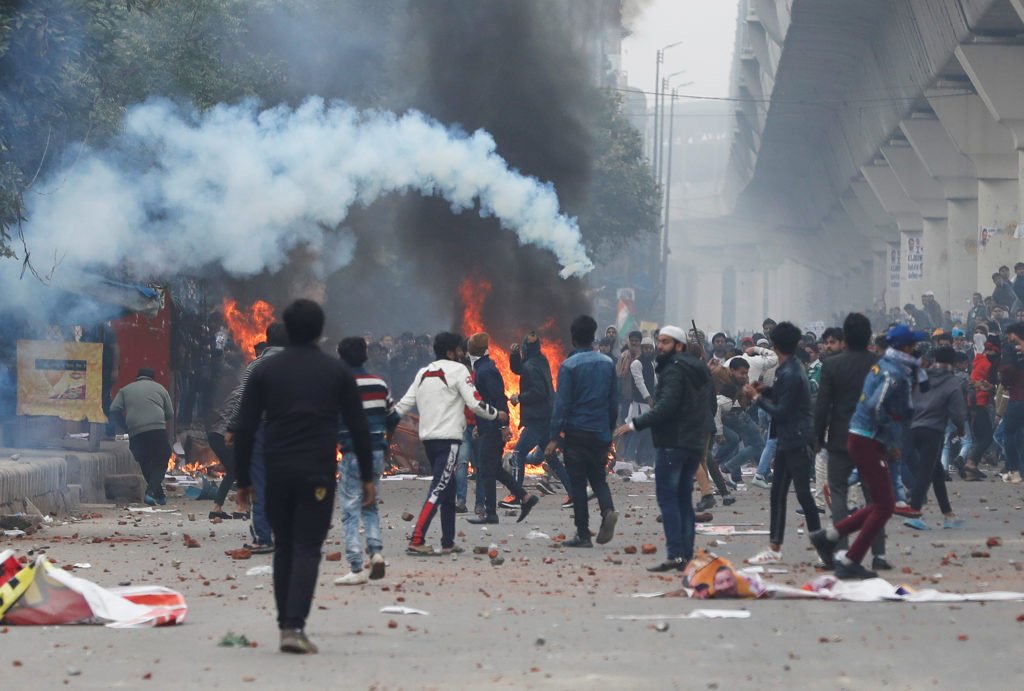
Students and opposition activists demand the election chief’s resignation
Student organisations, civil society groups and opposition parties have called for Gyanesh Kumar to step down over the Election Commission’s Special Intensive Revision (SIR) of electoral rolls.
Critics argue that the voter-list revision risks excluding eligible citizens and allege that the process could benefit the ruling Bharatiya Janata Party (BJP). The Election Commission and the BJP have rejected allegations of political bias, maintaining that electoral-roll revisions are intended to identify and remove duplicate or ineligible entries.
The dispute has mobilised demonstrators in New Delhi and other cities. On October 2, student groups and opposition supporters attempted to gather near Jantar Mantar, a designated protest area in the capital. Police detained hundreds of people, including activists and political figures. Further demonstrations followed over the subsequent days.
On October 10, authorities mounted a large security operation to prevent a planned rally organised by the youth-led Cockroach Janta Party movement. Indian media reported that more than 2,000 people were detained during the operation.
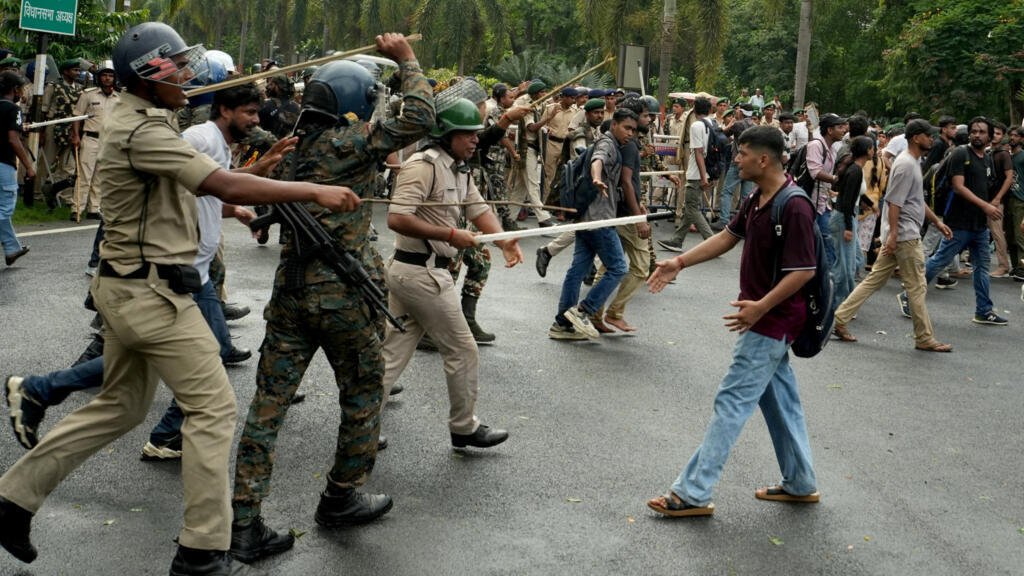
Police response under scrutiny
The scale of the detentions has raised questions about how authorities are managing demonstrations over a matter central to electoral democracy.
Activists have alleged that some detained protesters were assaulted or mistreated while in police custody or during transportation. These allegations require independent investigation, and not every reported incident has been independently verified.
India’s National Human Rights Commission has also taken up reports alleging sexual harassment of three journalists by Delhi Police personnel during a protest at Jantar Mantar on October 3.
The reports have intensified calls for accountability, transparency in detention procedures and safeguards for journalists and peaceful demonstrators.
United Nations raises concerns over detentions
The United Nations human rights office has expressed concern over reports of mass detentions in Delhi and called on Indian authorities to exercise restraint and release people arbitrarily detained.
The intervention places the handling of the protests within a wider international discussion about freedom of expression, peaceful assembly and the obligations of governments to protect fundamental rights.
India, however, has pushed back against international criticism, arguing that the matter falls within its domestic jurisdiction. The disagreement highlights the recurring tension between national sovereignty and international scrutiny of alleged human rights violations.
Supreme Court and the question of due process
Legal proceedings have also become part of the unfolding controversy. Reports indicate that detained leaders of the Cockroach Janta Party were released following a court order, although the precise scope of that order should be distinguished from broader claims about judicial intervention.
The demands surrounding the protests raise important legal questions: whether restrictions on demonstrations are proportionate, whether detentions comply with due process, and what remedies are available when citizens allege that their electoral rights have been compromised.
Any further claims about specific Supreme Court directions concerning all protesters, internet restrictions or the electoral-roll revision must be assessed against the text of the relevant judicial orders.
A test for democratic accountability
India’s constitutional framework protects freedom of speech and expression and the right to assemble peacefully, subject to lawful restrictions. These protections remain central to public debate over the government’s response to demonstrations.
For protesters, the immediate demand is the resignation of the Chief Election Commissioner and greater accountability over the revision of voter lists. For the authorities, the central questions concern electoral integrity, the accuracy of voter records and the maintenance of public order.
The coming days will test whether the dispute can be addressed through transparent electoral procedures, independent legal scrutiny and peaceful political engagement.
At stake is not only the future of the current protest movement, but also public confidence in the institutions responsible for administering elections and protecting democratic rights.

Paris Telegraph is an independent France-based digital news platform covering Paris news, French politics, European affairs, global business, diplomacy and artificial intelligence.
Publishing timely reporting and in-depth analysis, Paris Telegraph provides international perspectives on geopolitics, economic developments, technology innovation and cultural trends shaping Europe and the world.
As a growing online media outlet, Paris Telegraph is committed to credible journalism, global insight and forward-looking analysis for readers seeking reliable news from Paris and beyond.