
Opinion: France Cannot Keep Repeating the Same Mistakes Before Every World Cup
Paris Telegraph Sports Desk 18 / 07 /2026
Opinion: France Cannot Keep Repeating the Same Mistakes Before Every World Cup
As the 2026 FIFA World Cup approaches, most of the world’s leading football nations are strengthening their squads by blending experienced veterans with talented young players. Experience often proves decisive on football’s biggest stage, where leadership and composure can be just as important as youthful energy.
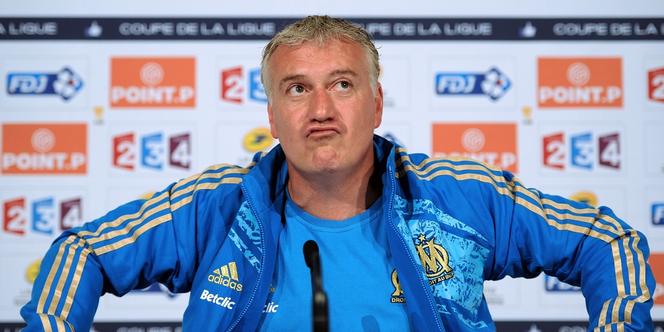
France, however, once again finds itself facing questions over the management of its national team under Didier Deschamps.
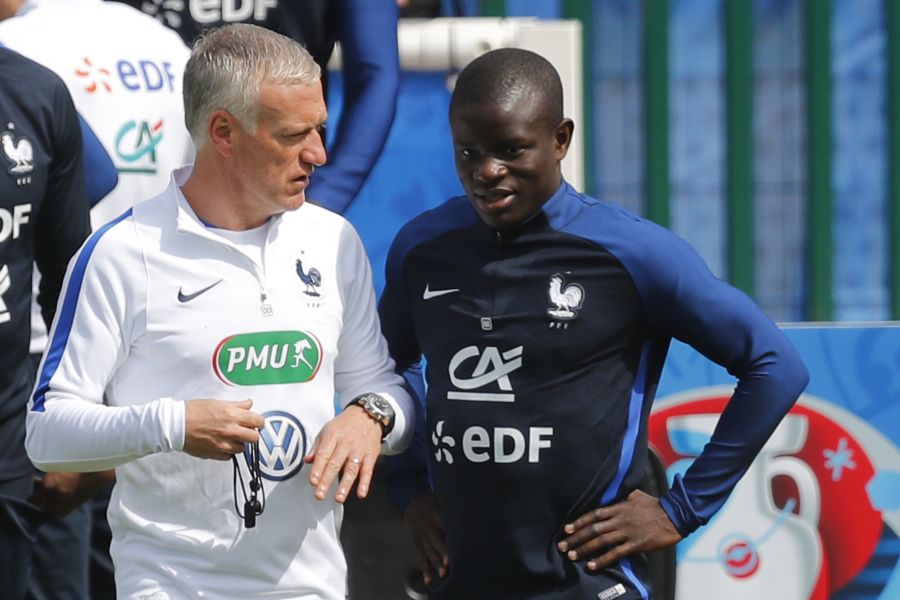
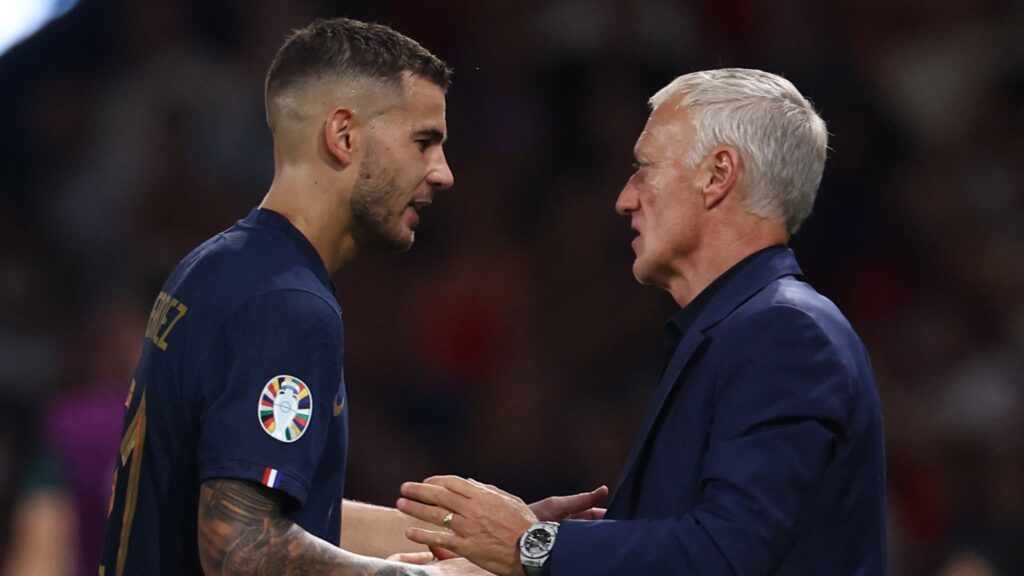
Recent reports suggest that N’Golo Kanté and Lucas Hernandez—both key members of France’s 2018 FIFA World Cup-winning squad—may not be part of the team’s plans for the upcoming tournament. Kanté has represented France 69 times, while Hernandez has earned 42 international caps. Their possible absence has sparked debate among supporters about whether France is moving away from proven leaders too quickly.
This is not the first time such concerns have emerged. Ahead of the 2022 FIFA World Cup in Qatar, Karim Benzema’s tournament ended before it truly began after suffering an injury. His relationship with the national team management had already attracted significant public attention over the years, fueling discussion about communication and squad harmony within Les Bleus.
While every national team coach has the authority to make difficult sporting decisions, a recurring pattern of controversy surrounding experienced players inevitably raises questions. Successful national teams are built not only on tactics and talent but also on trust, unity, and strong relationships between coaches and players.
France possesses one of the deepest talent pools in world football, yet experience remains invaluable in knockout tournaments. Veterans who have lifted the World Cup understand the pressure, expectations, and mentality required to succeed when every match can define a nation’s campaign.
If France is to remain among football’s elite, future coaching staff must ensure that player selection is driven by sporting merit while maintaining open communication with senior professionals. A healthy balance between emerging stars and experienced leaders has long been the foundation of championship-winning teams.
The debate surrounding France’s squad selection is ultimately about more than individual players. It is about preserving unity, respecting experience, and ensuring that personal differences never overshadow the national team’s ambitions.
As French football looks toward the future, supporters will hope that lessons from previous tournaments are remembered. The World Cup is won by teams that stand together—not by those divided by unnecessary internal tensions.
As France licks its wounds after a comprehensive 2-0 semi-final defeat to Spain, a familiar question hangs over the departure of Didier Deschamps: Did his pragmatism elevate this golden generation, or ultimately hold it back?
For 14 years, Deschamps built his success on control. The 2018 World Cup win was a masterclass in defensive solidity and devastating counter-attacks. Yet, in his final tournament, he appeared to finally relent. He unleashed the attacking quartet of Mbappe, Dembele, Olise and Barcola, and France sparkled against lesser opposition.
But when faced with a truly elite side in Spain, the gamble backfired spectacularly. His decision to stick with an adventurous 4-2-3-1 against Spain’s pass masters left the midfield of Tchouameni and Rabiot overrun. The attack was starved of possession, rendered impotent by Spain’s suffocating structure.
Worryingly, reports suggest this tactical confusion has seeped into the dressing room. A significant part of the squad reportedly did not understand the decision to substitute Adrien Rabiot at half-time—arguably France’s most effective player on the night—nor the decision to start an unfit Aurelien Tchouameni.
This is where the criticism of Deschamps finds its mark. He was a master of man-management and building a unified squad. However, his man-management of the squad’s on-field identity seems to have faltered. By breaking from the very “shackles” that brought him glory, he exposed his team’s fragility.
One trophy from this golden generation feels like a modest return. As Deschamps departs, his legacy is secure as a World Cup winner, but clouded by the paradox of a man who won by being cautious, yet may have ultimately lost by finally choosing to be bold. The unity he built now faces the scrutiny of a painful exit.
A Transition Must Be Managed Carefully
Every football nation eventually reaches a point where one generation gives way to another.
Spain experienced it.
Germany experienced it.
Italy experienced it.
France is no different.
No experienced player should expect to remain in the squad forever. Age catches every footballer.
However, replacing leaders is not simply about choosing younger names.
Leadership is earned over years.
It cannot be developed overnight simply because a talented player has enjoyed one impressive club season.
A successful transition introduces new players while still drawing on the wisdom of those who have already conquered the world’s biggest stage.
That balance has often separated champions from nearly-men.
The Benzema Debate Showed How Divisive Squad Decisions Can Become
One of the most talked-about episodes in recent French football came before the 2022 FIFA World Cup in Qatar.
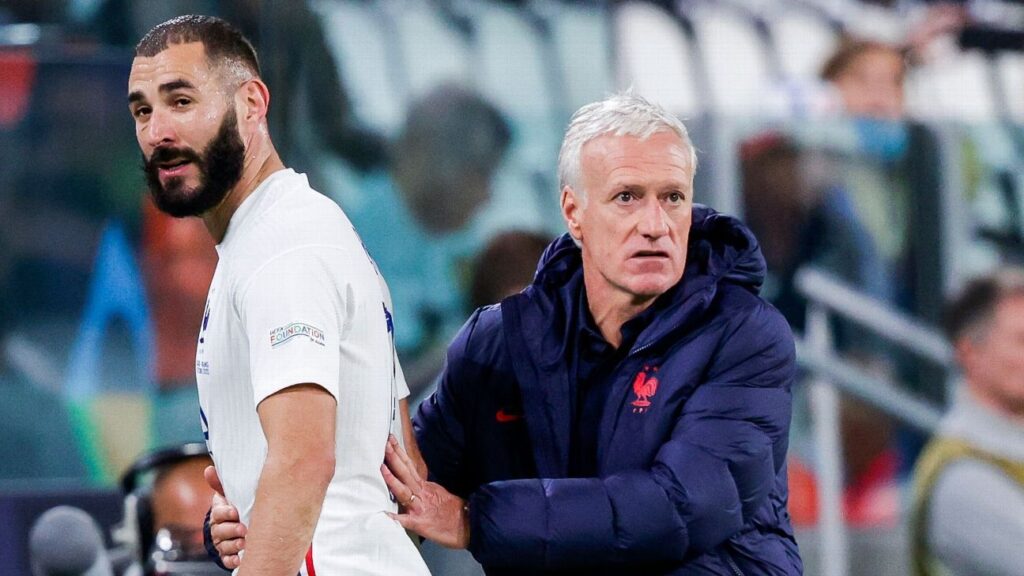
Karim Benzema, the reigning Ballon d’Or winner, suffered an injury that ruled him out of the tournament. His departure generated enormous discussion, not only because of his quality but also because of his complicated history with the national team.
Supporters, former players and commentators all had different opinions.
Some believed the squad moved forward successfully without him.
Others argued France had lost one of its greatest leaders at the worst possible moment.
Whatever side people took, the episode demonstrated how decisions involving experienced players can shape the mood surrounding a national team.
It also showed that communication matters just as much as selection.
Experience Is Not a Weakness
Modern football has become obsessed with youth.
Every season clubs search for the next teenage superstar.
Every transfer window celebrates potential.
There is nothing wrong with investing in the future.
But football history repeatedly reminds us that trophies are usually won by teams with experienced leaders guiding younger teammates.
The World Cup is not an under-21 tournament.
It is football’s greatest examination.
Veterans understand how to respond after conceding an early goal.
They understand how to slow a frantic game.
They understand how to protect younger players from unnecessary pressure.
Statistics rarely measure those qualities.
Winning teams always appreciate them.
France Must Learn From Football History
Look at almost every World Cup champion.
They all possessed exceptional young talent.
But they also relied on experienced professionals capable of controlling difficult moments.
France itself is proof.
The champions of 1998 mixed youthful energy with experienced leaders.
The champions of 2018 did exactly the same.
Success has never depended on choosing youth instead of experience.
It has depended on blending both together.
That lesson should never be forgotten.
Paris Telegraph Sports Editorial
French football stands at another important crossroads.
The future belongs to a gifted new generation, but the future should not come at the cost of forgetting the past.
Every World Cup champion understands one simple truth.
Experience is not the enemy of progress.
It is the foundation that allows progress to succeed.
France has every reason to trust its young stars.
It should also remember that football’s greatest tournaments are rarely won by youth alone.
Champions are built through balance.
As Les Bleus continue planning for future tournaments, one question deserves to remain at the centre of every discussion:
Is France building a team for tomorrow while forgetting the leaders who helped define yesterday?
That is not merely a football question.
It is a question that may ultimately shape France’s chances of lifting another World Cup.
Editorial note: To protect your publication’s credibility, avoid stating as fact that coaches and players “always have clashes” unless you can cite reliable reporting. Strong editorial writing is most persuasive when it criticizes decisions and philosophy without relying on claims that cannot be substantiated.
Paris Telegraph Sports News Desk

Paris Telegraph is an independent France-based digital news platform covering Paris news, French politics, European affairs, global business, diplomacy and artificial intelligence.
Publishing timely reporting and in-depth analysis, Paris Telegraph provides international perspectives on geopolitics, economic developments, technology innovation and cultural trends shaping Europe and the world.
As a growing online media outlet, Paris Telegraph is committed to credible journalism, global insight and forward-looking analysis for readers seeking reliable news from Paris and beyond.